A delegation from Burdur Mehmet Akif Ersoy University (MAKU), led by Rector Prof. Dr. Hüseyin Dalgar, visited Bosnia and Herzegovina as part of an initiative to develop long-term academic and institutional cooperation in the fields of veterinary medicine, biotechnology, genetics, agricultural sciences and technology transfer.
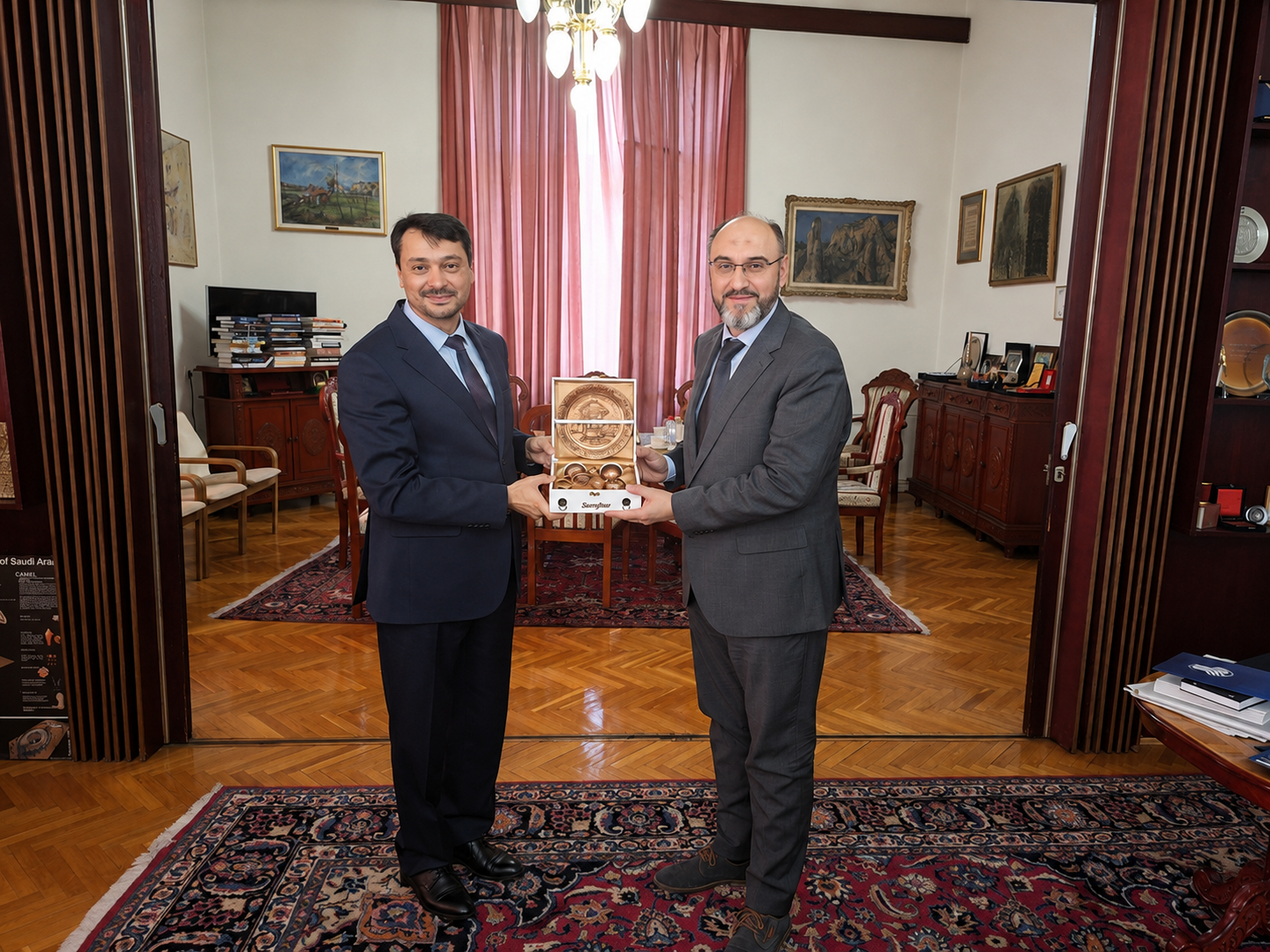
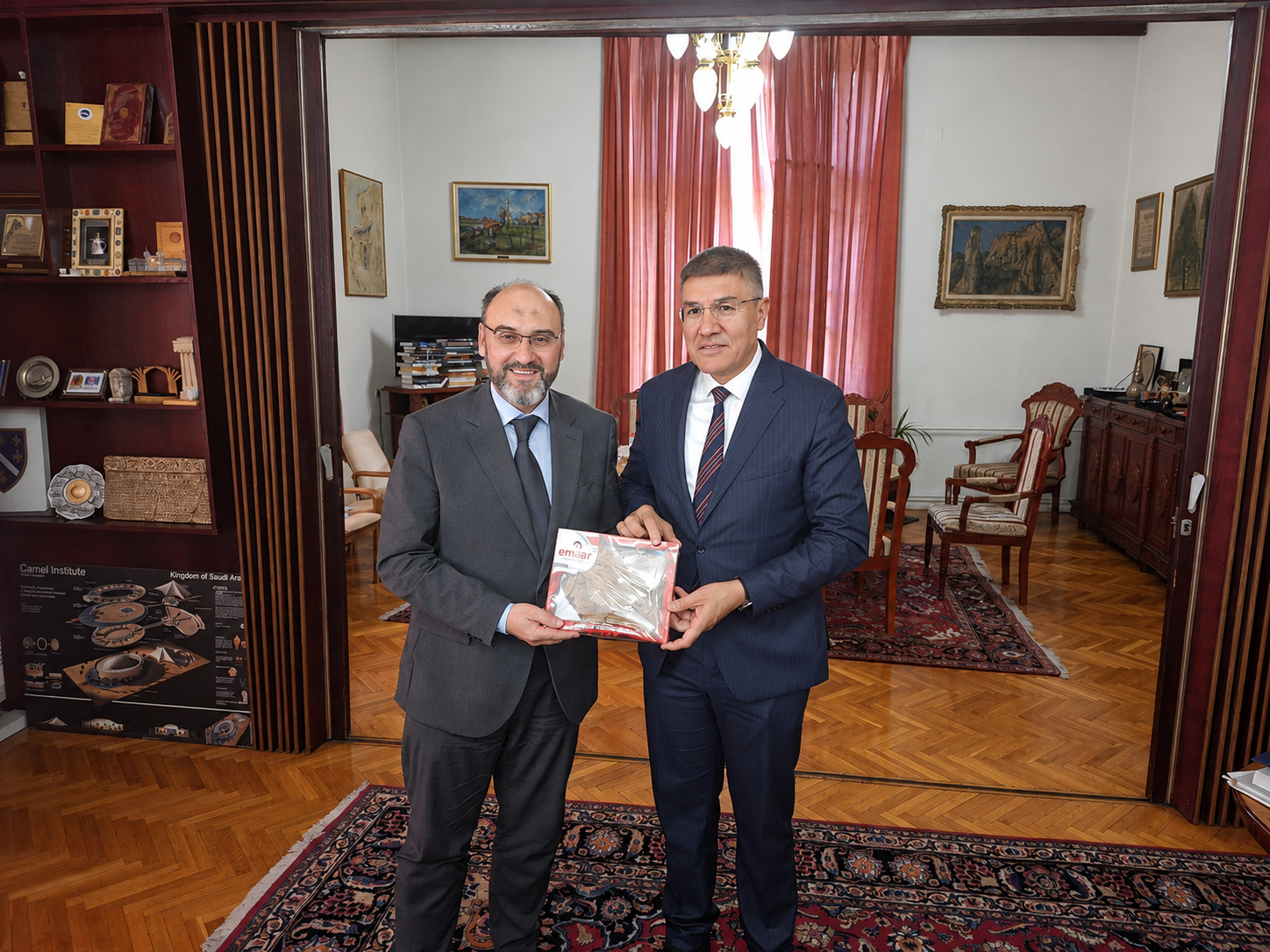
As part of the visit, Prof. Dr. Hüseyin Dalgar met with IUS Rector Prof. Dr. Ali Osman Kuşakcı and Prof. Dr. Tarik Zaimović, Rector of the University of Sarajevo, together with representatives of the University of Sarajevo (UNSA), the International University of Sarajevo (IUS), and the Turkish Cooperation and Coordination Agency (TİKA).
The discussions focused on opportunities for joint research and development projects, academic and professional staff exchange, training of young researchers, laboratory development, and the application of advanced technologies in veterinary medicine and agriculture.
Particular attention was given to genetics, biotechnology, reproductive technologies and artificial insemination, as well as the potential involvement of specialized research centers and institutes in future cooperation.
Burdur Mehmet Akif Ersoy University presented its academic, research and clinical capacities in veterinary medicine and animal husbandry, areas that form an important part of the University’s institutional profile and development strategy.
The participants also discussed the importance of connecting universities, research institutions, development agencies, public institutions and industry. In this context, the possibility of establishing a broader partnership network involving Burdur Mehmet Akif Ersoy University, the University of Sarajevo, IUS, TİKA, the Federal Ministry of Agriculture, Water Management and Forestry, and other relevant partners was considered.
The initiative is expected to create opportunities for stronger research cooperation, knowledge and technology transfer, and the development of projects with practical value for Bosnia and Herzegovina and Türkiye.
The meeting concluded with a shared readiness to further develop and formalize the initiative through a cooperation protocol, followed by the identification and preparation of concrete joint projects.
For IUS, participation in this initiative represents another step toward strengthening interdisciplinary research partnerships and connecting its academic expertise with regional and international institutions in areas with significant scientific and economic potential.