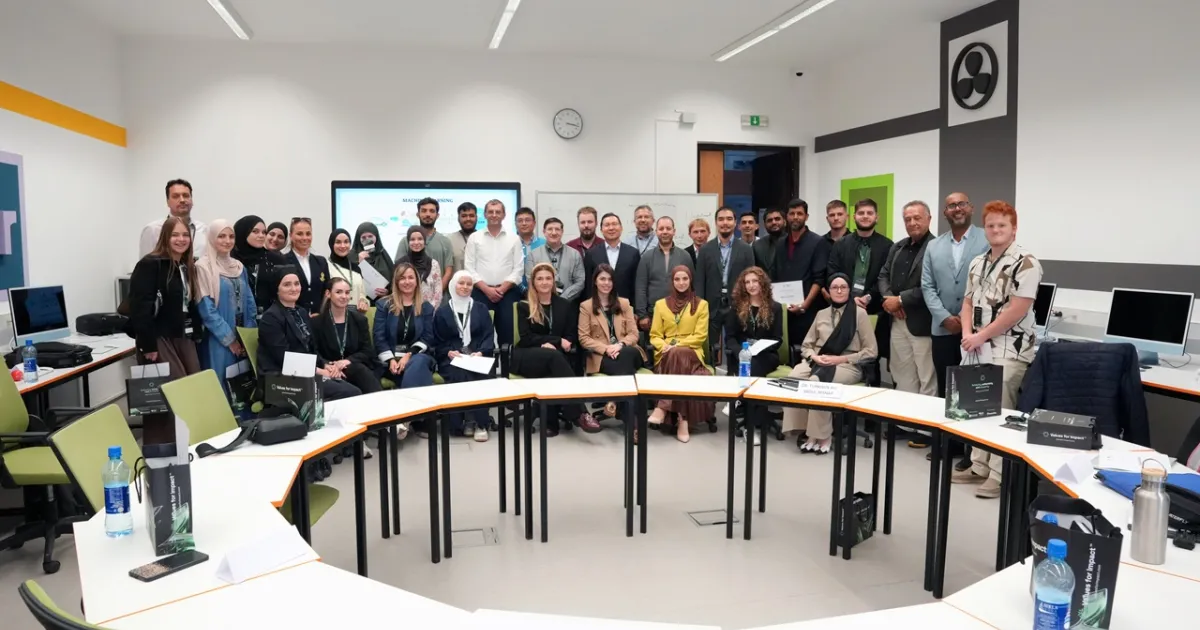
From financial stability and risk-sharing to algorithms and artificial intelligence, an exceptional learning experience connected the foundations of Islamic finance with the questions shaping its future.
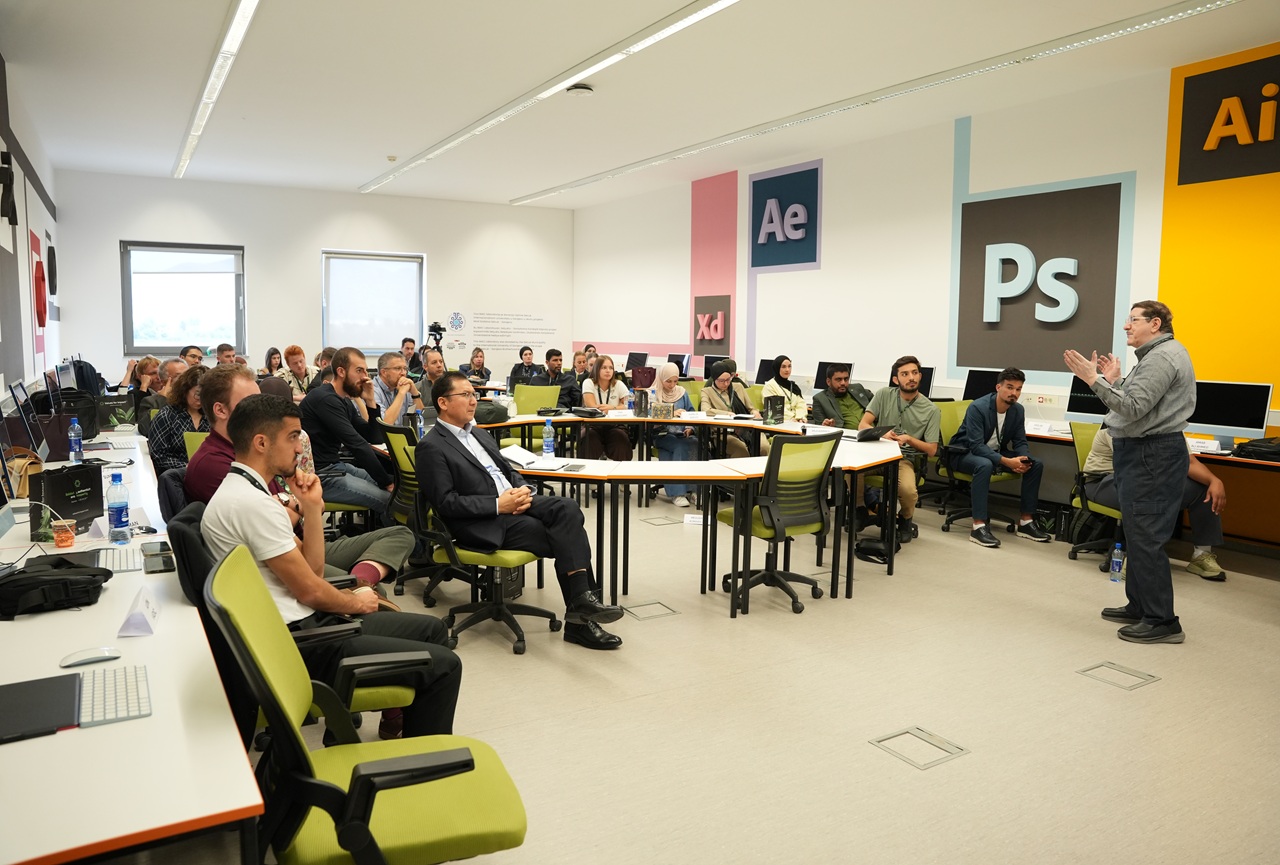
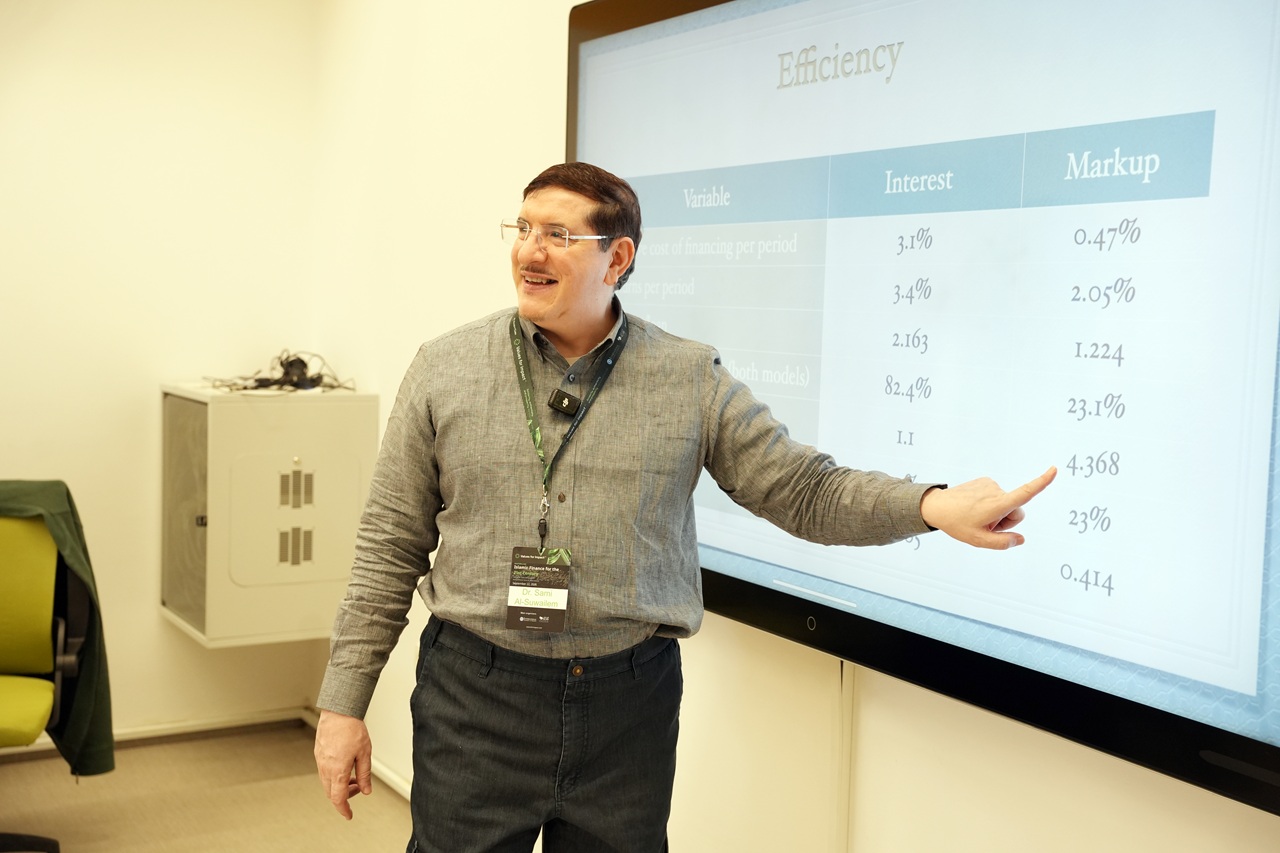
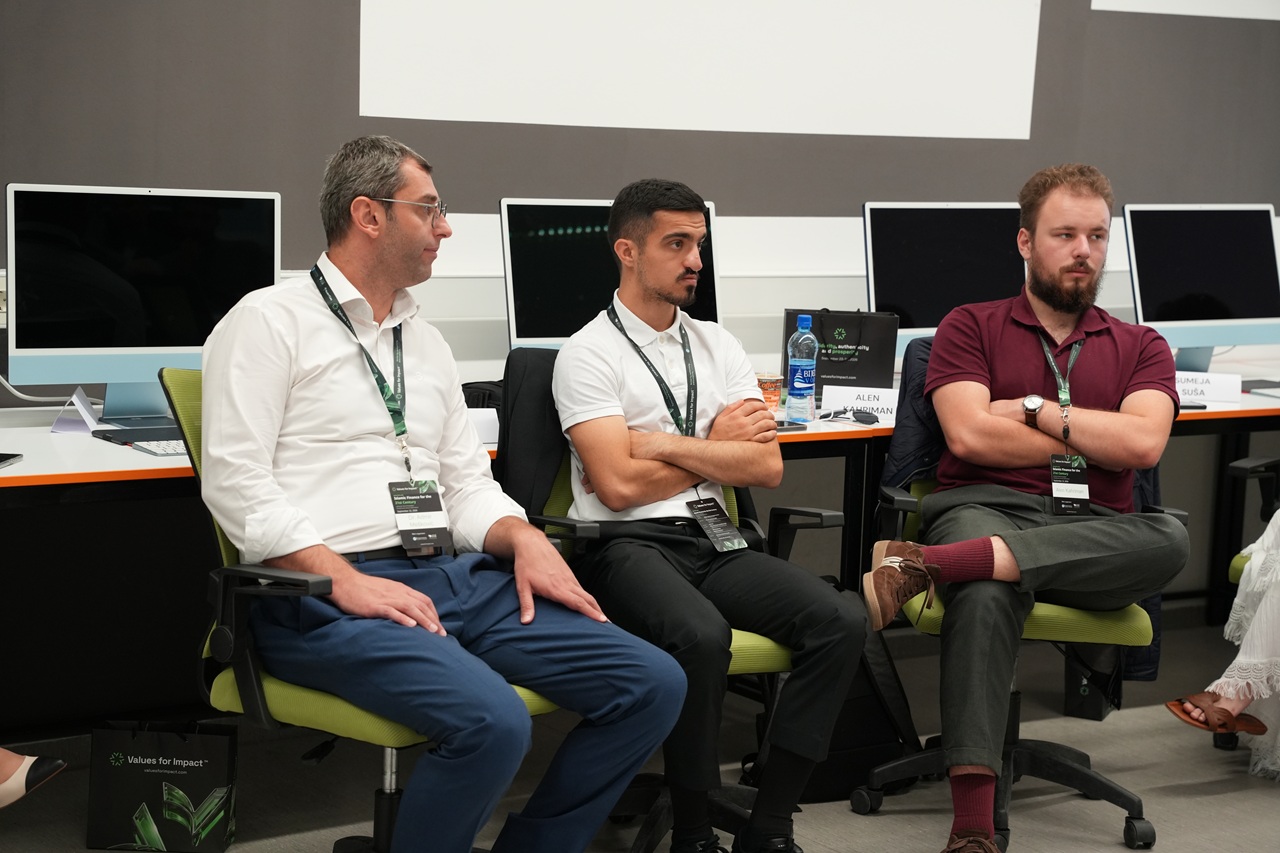
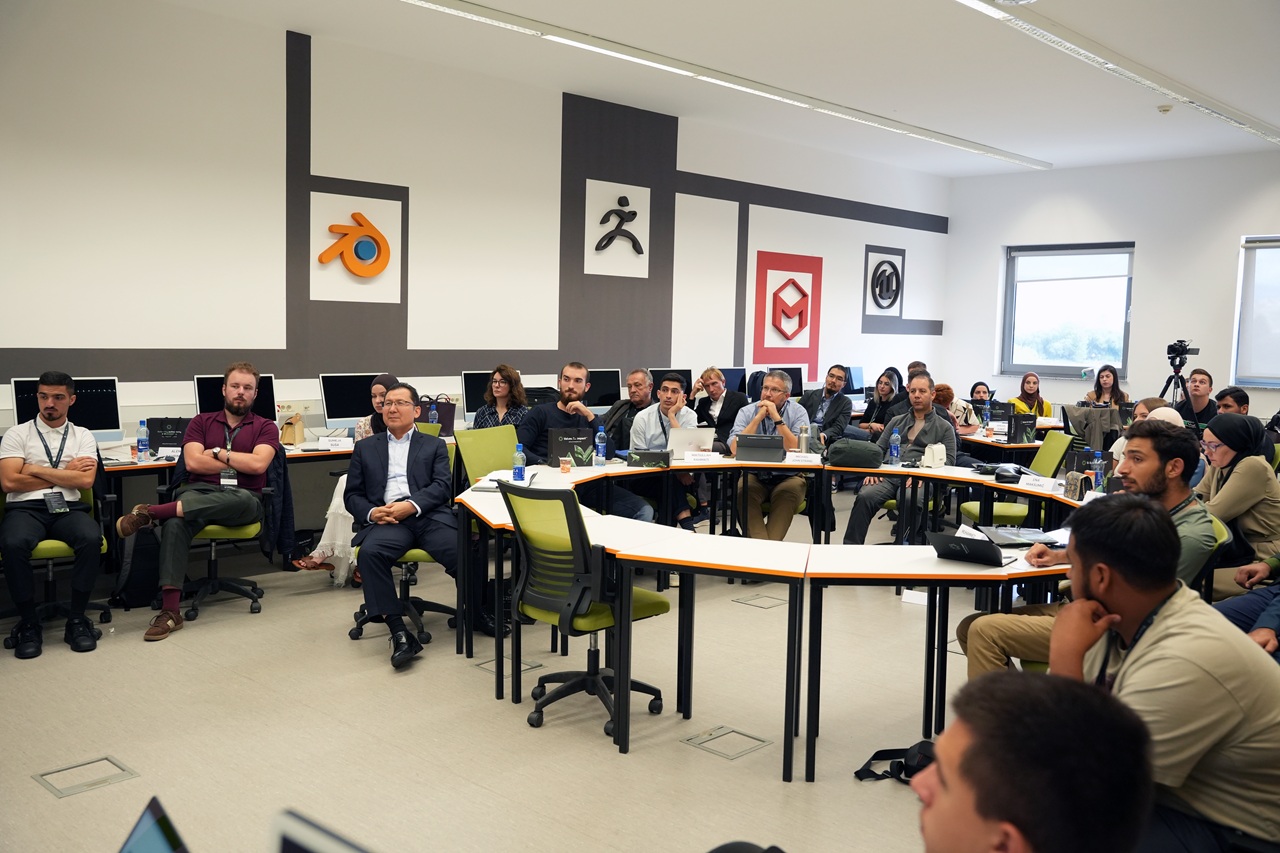
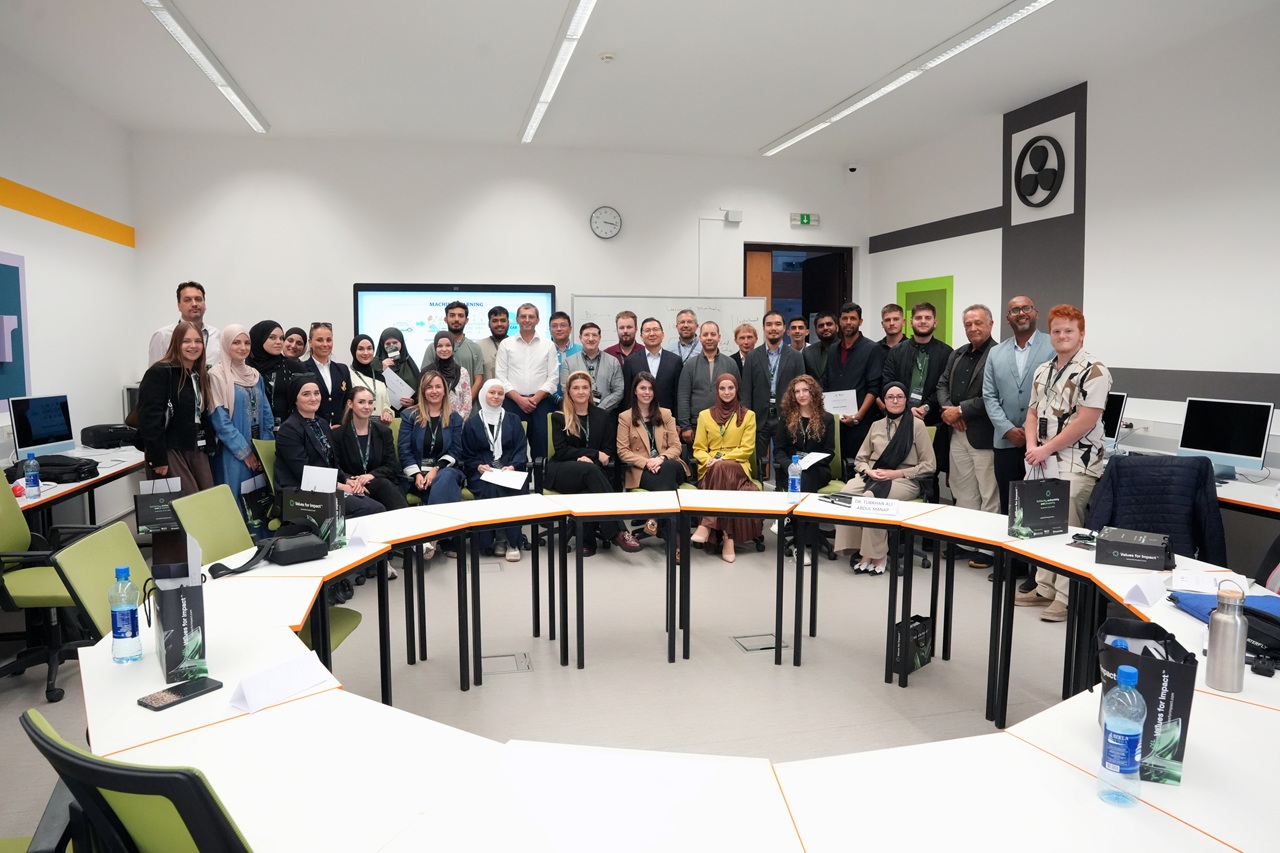
The International University of Sarajevo (IUS) Center for Islamic Finance, Innovation and Sustainability brought world-class Islamic finance expertise to its campus on 22 September 2026, hosting a masterclass led by Dr. Sami Al-Suwailem, Acting Director General of the Islamic Development Bank Institute (IsDBI). Titled “Islamic Finance for the 21st Century,” the program brought together more than 50 participants for an intensive exploration of how Islamic finance can respond to economic challenges, harness technological innovation and contribute to shared prosperity.
Held as the pre-conference event of Values for Impact 2026, the masterclass offered an exceptional opportunity to learn directly from Dr. Al-Suwailem and engage with a program connecting theoretical depth, practical examples and interactive discussion. Its scope extended well beyond an introduction to Islamic finance, examining the economic reasoning behind its principles and their relevance to the design of a more stable, inclusive and responsible financial system.
At the heart of the program were questions with significance far beyond Islamic finance itself: When does debt become a source of instability? How should financial risks be shared? And how can technological progress translate into greater prosperity for society?
Through the discussion of riba, debt and financial stability, Dr. Al-Suwailem explored the conditions under which debt can become economically destabilizing and the alternative approaches offered by Islamic finance. The session on gharar, risk-sharing and responsible risk-taking examined how risks are distributed between different parties, bringing fundamental principles into conversation with practical financial decisions.
The program then turned to the technological frontier. Sessions on algorithmic Islamic finance and Islamic finance and artificial intelligence explored the growing role of algorithms in financial decision-making and the potential of AI to enhance the efficiency and effectiveness of Islamic finance. By bringing these subjects into the same program as debt, stability and risk-sharing, the masterclass connected foundational economic questions with the technologies that could help shape their answers.
A dedicated Masterclass Lab on Islamic Finance and AI provided an interactive setting for participants to consider practical ways of applying emerging technologies within the Islamic finance ecosystem. Alongside the theoretical sessions, the lab created space to connect ideas, explore possibilities and reflect on how innovation can serve the broader objectives of Islamic finance.
Throughout the day, the discussion returned to the relationship between finance, sustainable development and shared prosperity. The emphasis was not simply on what Islamic finance prohibits or what new technologies make possible, but on how financial systems can contribute to a more inclusive and responsible economy.
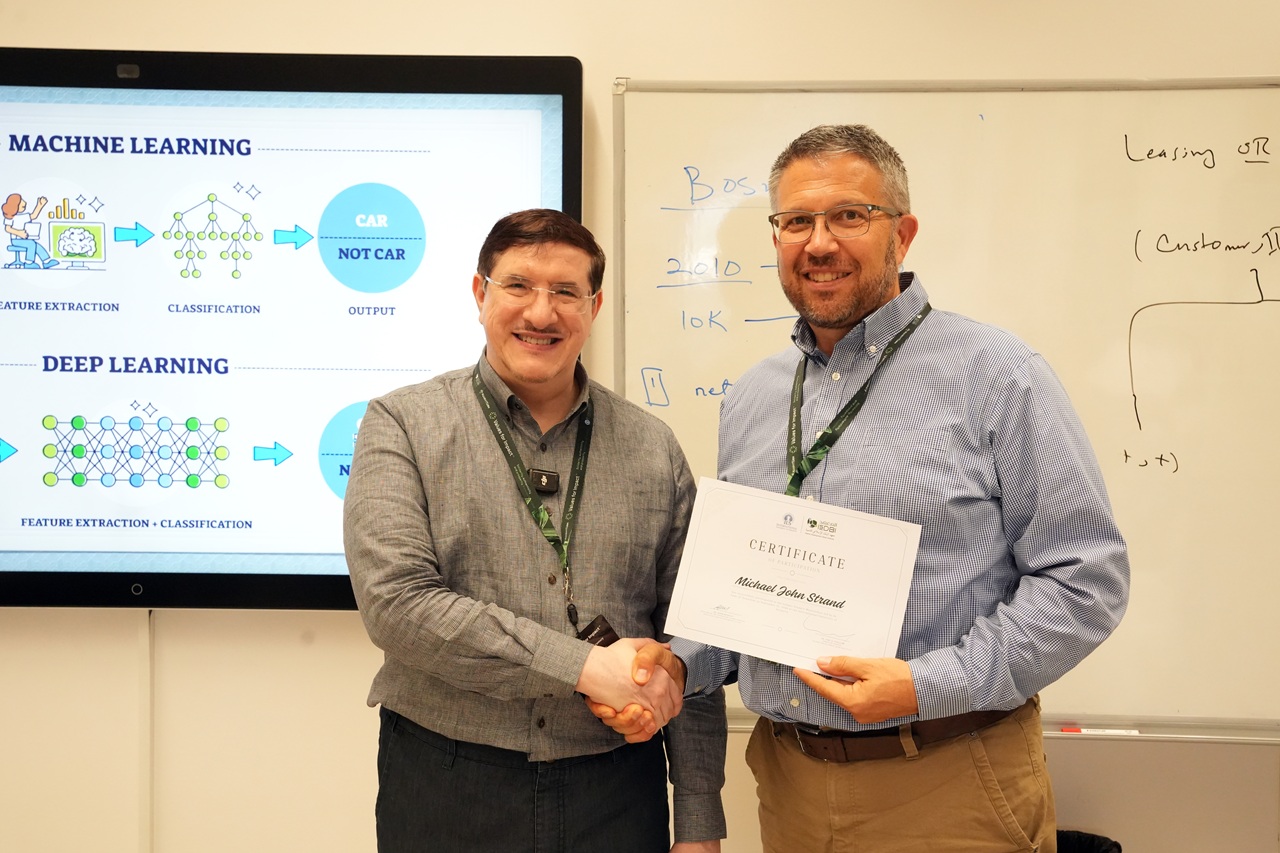
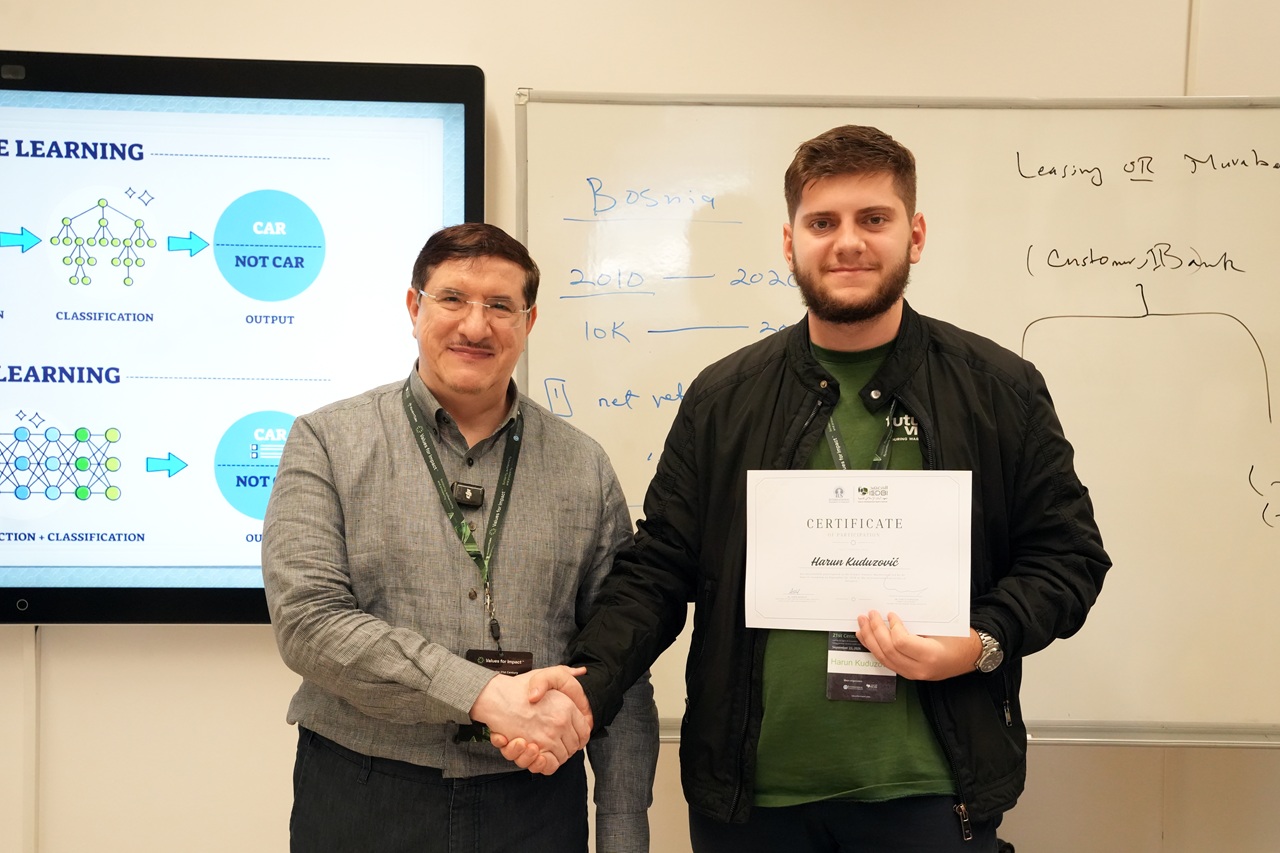
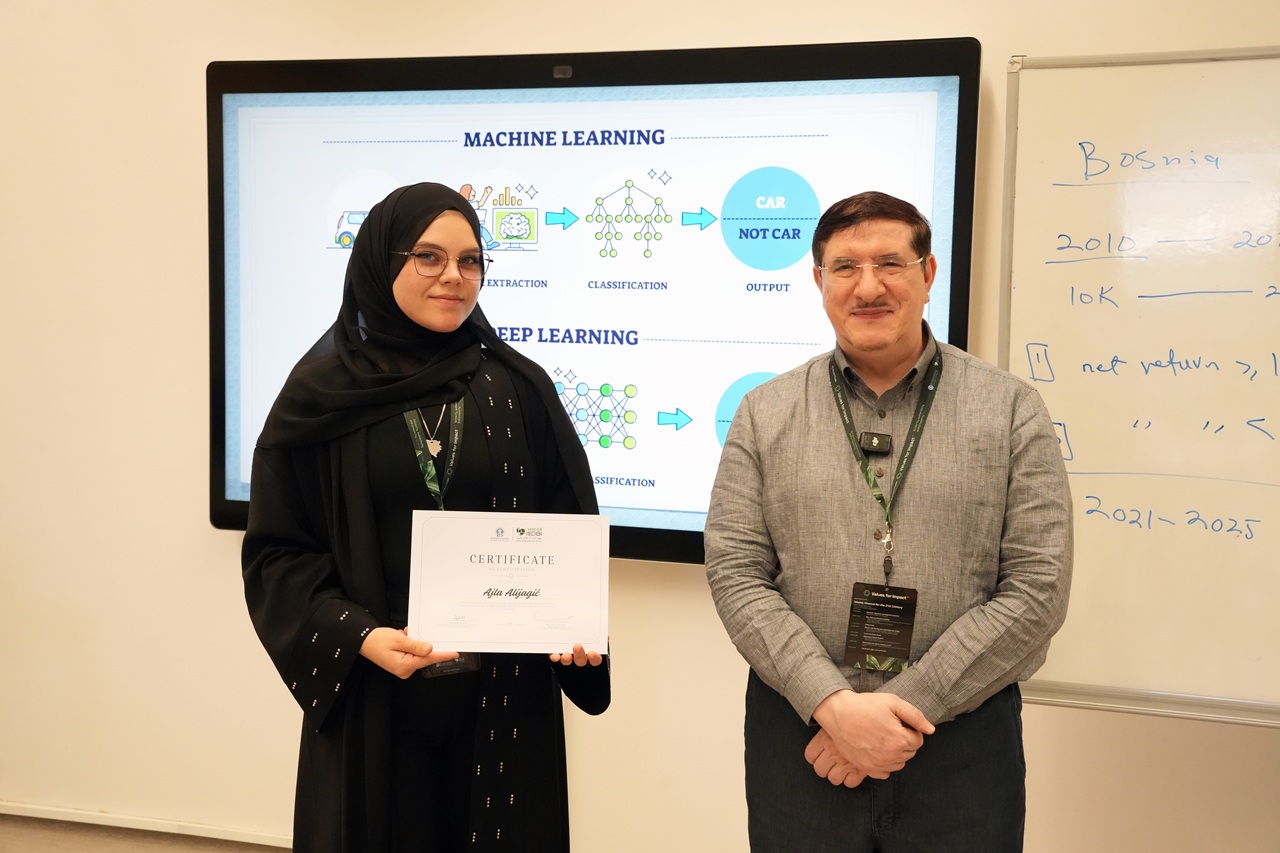
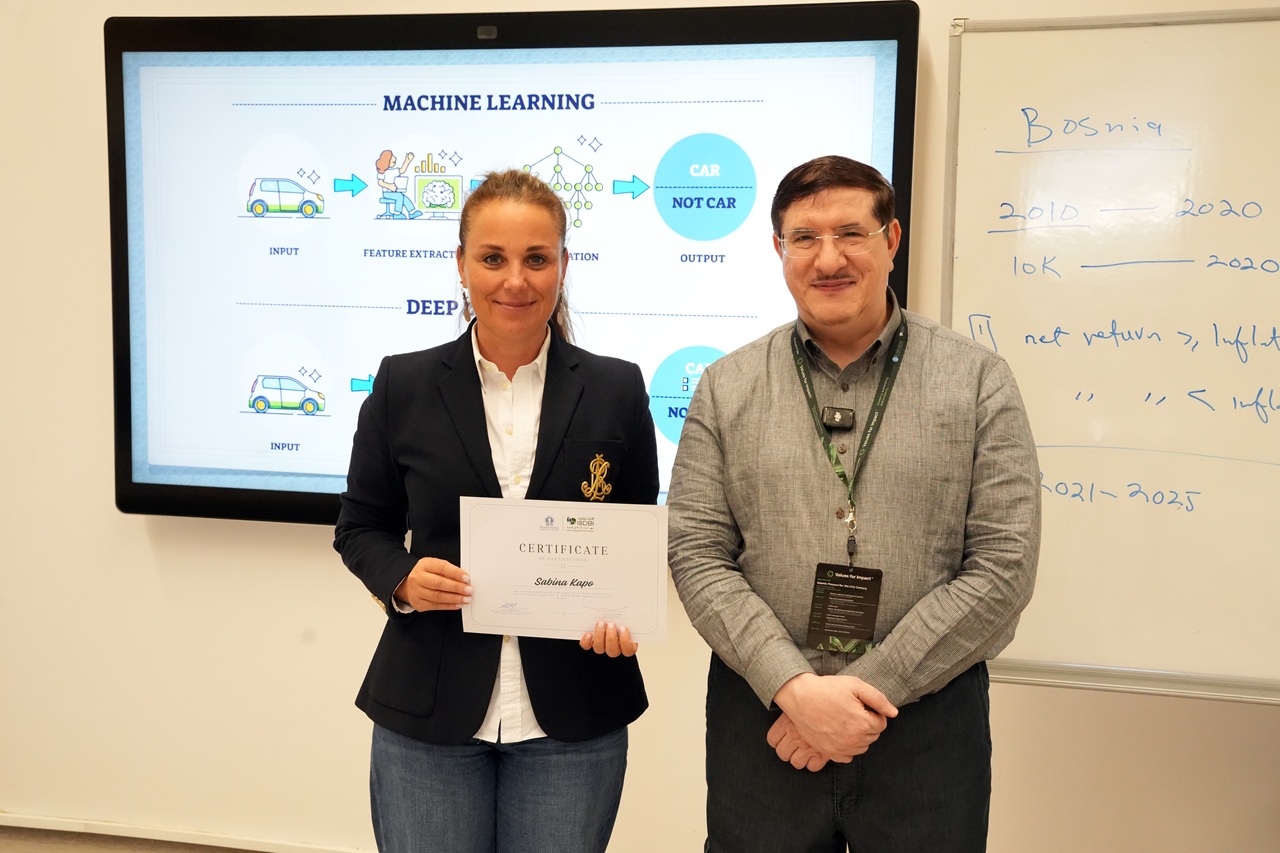
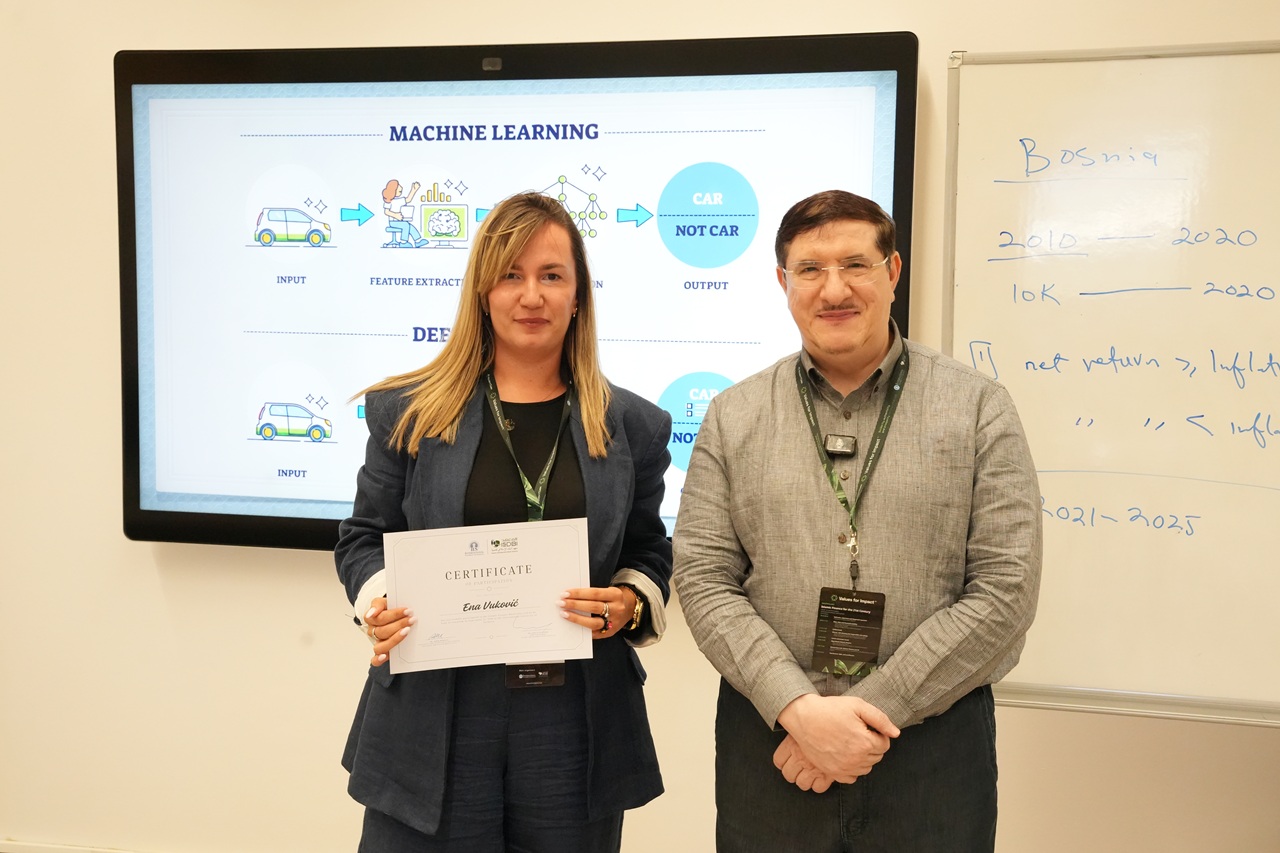
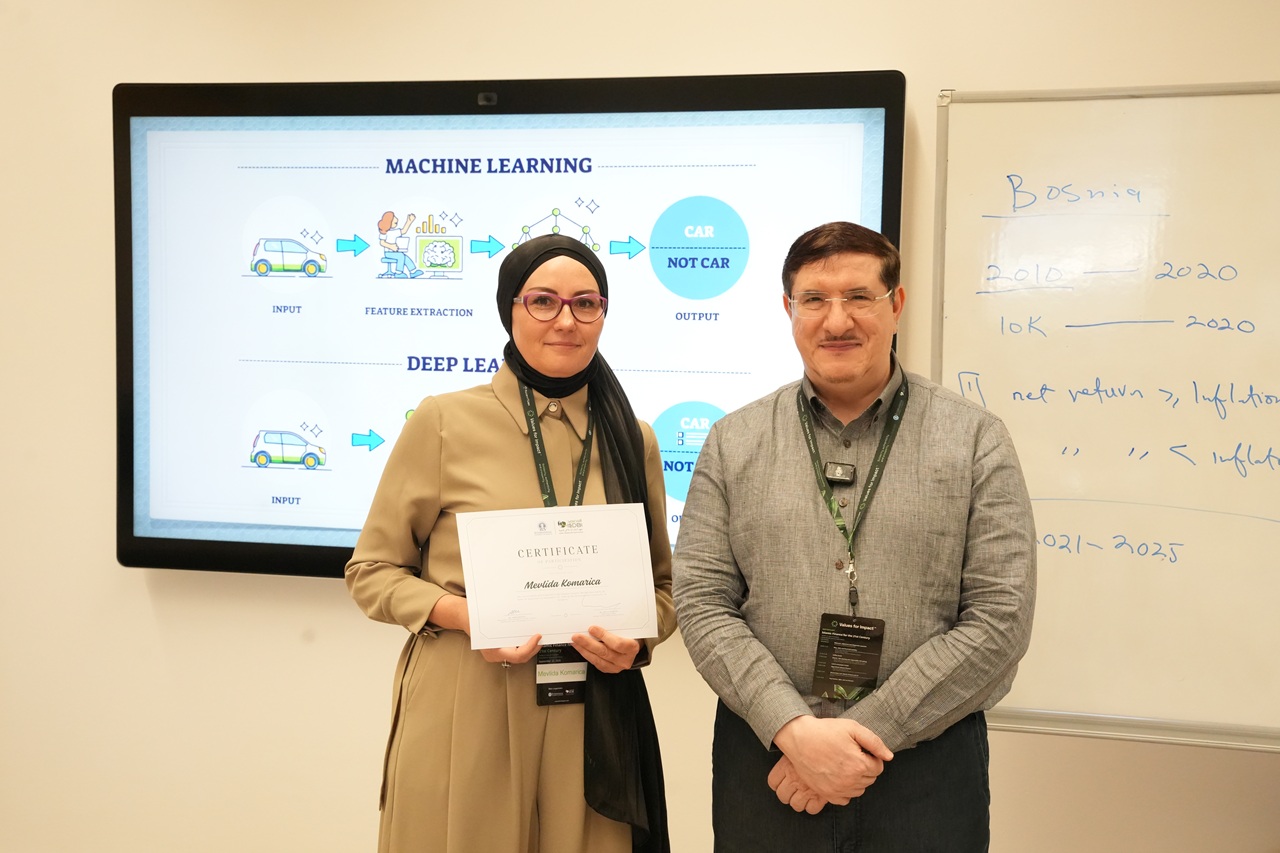
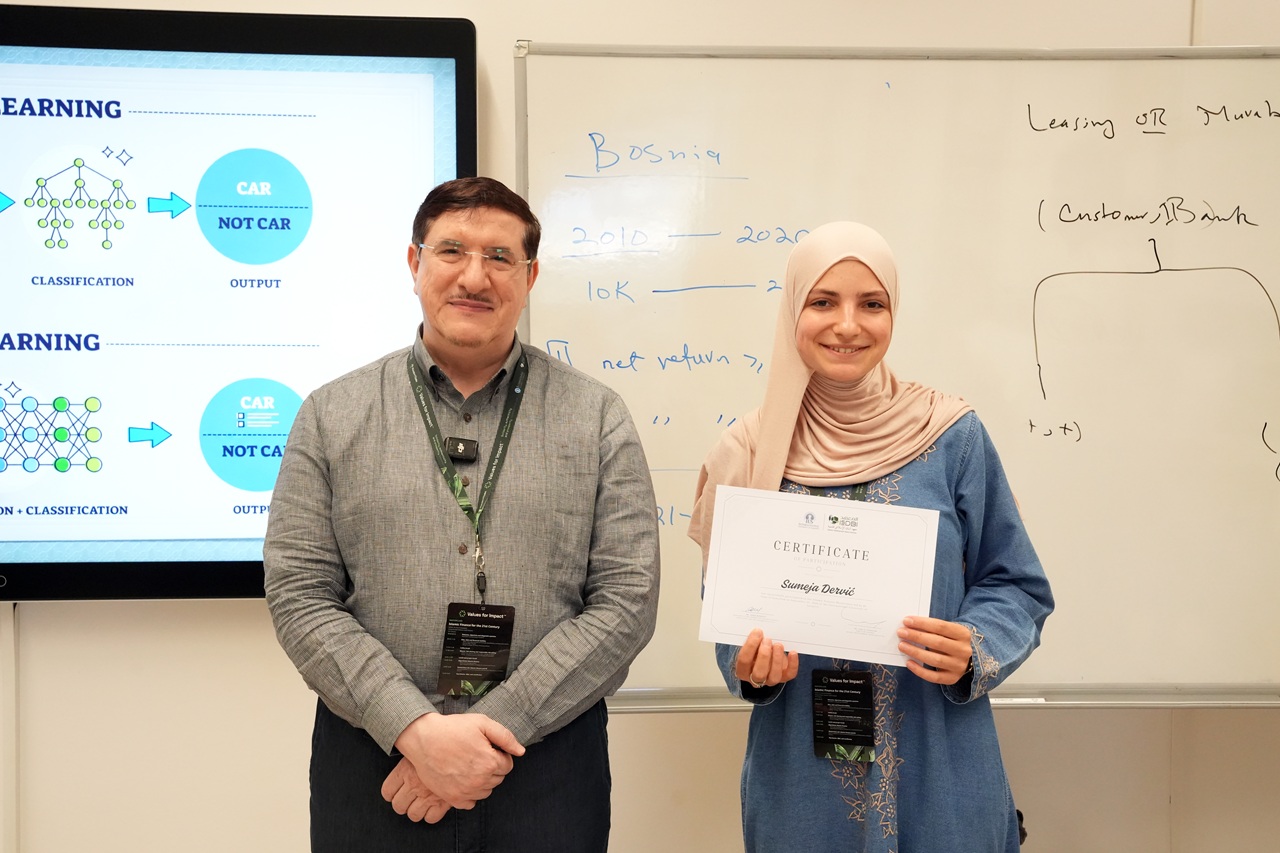
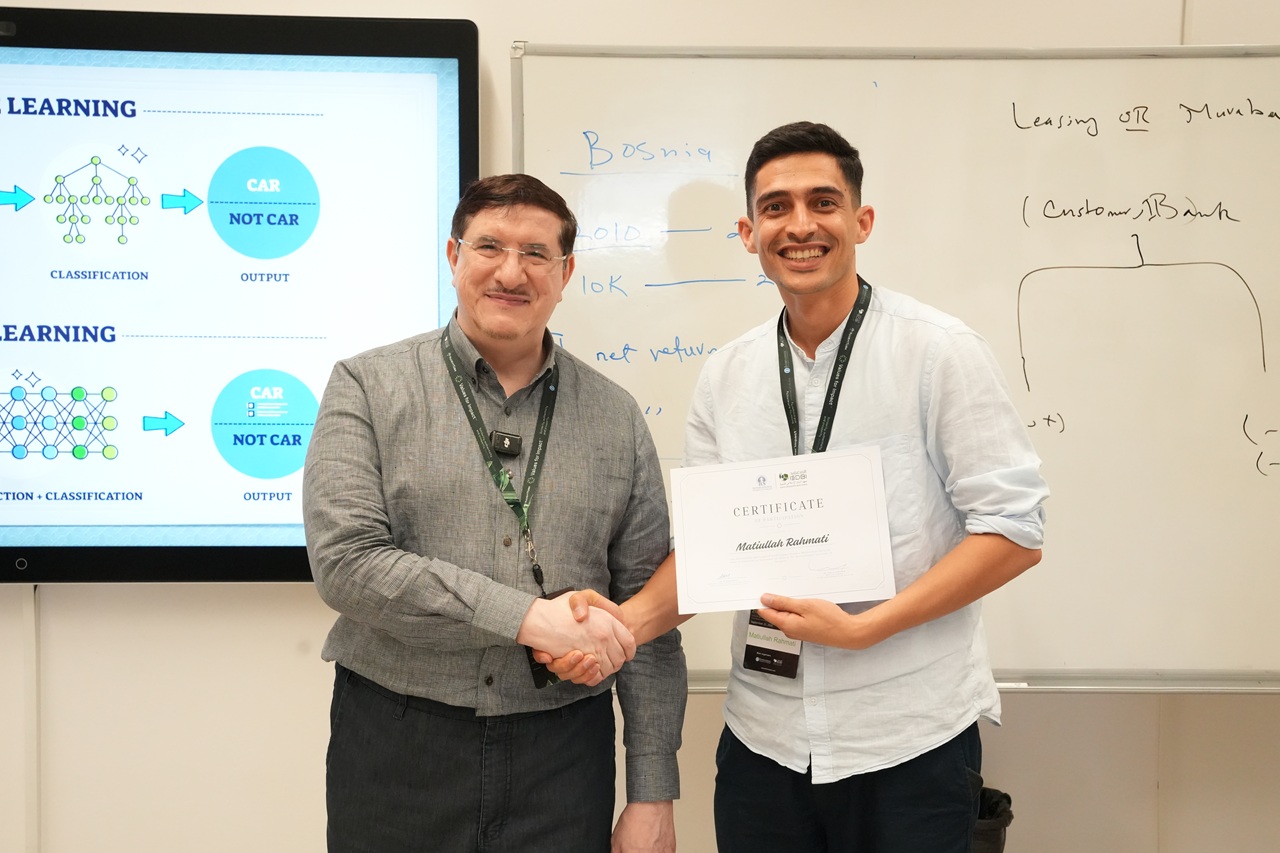
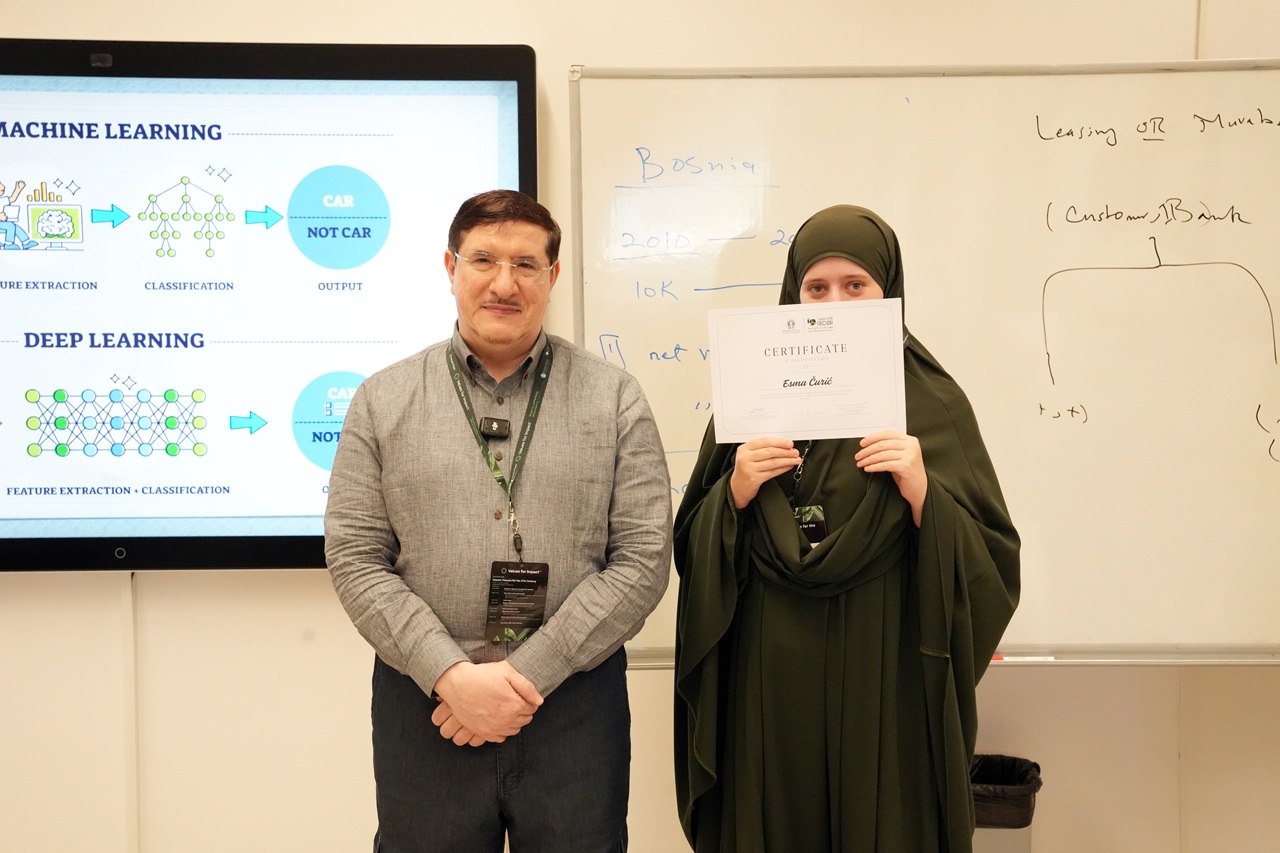
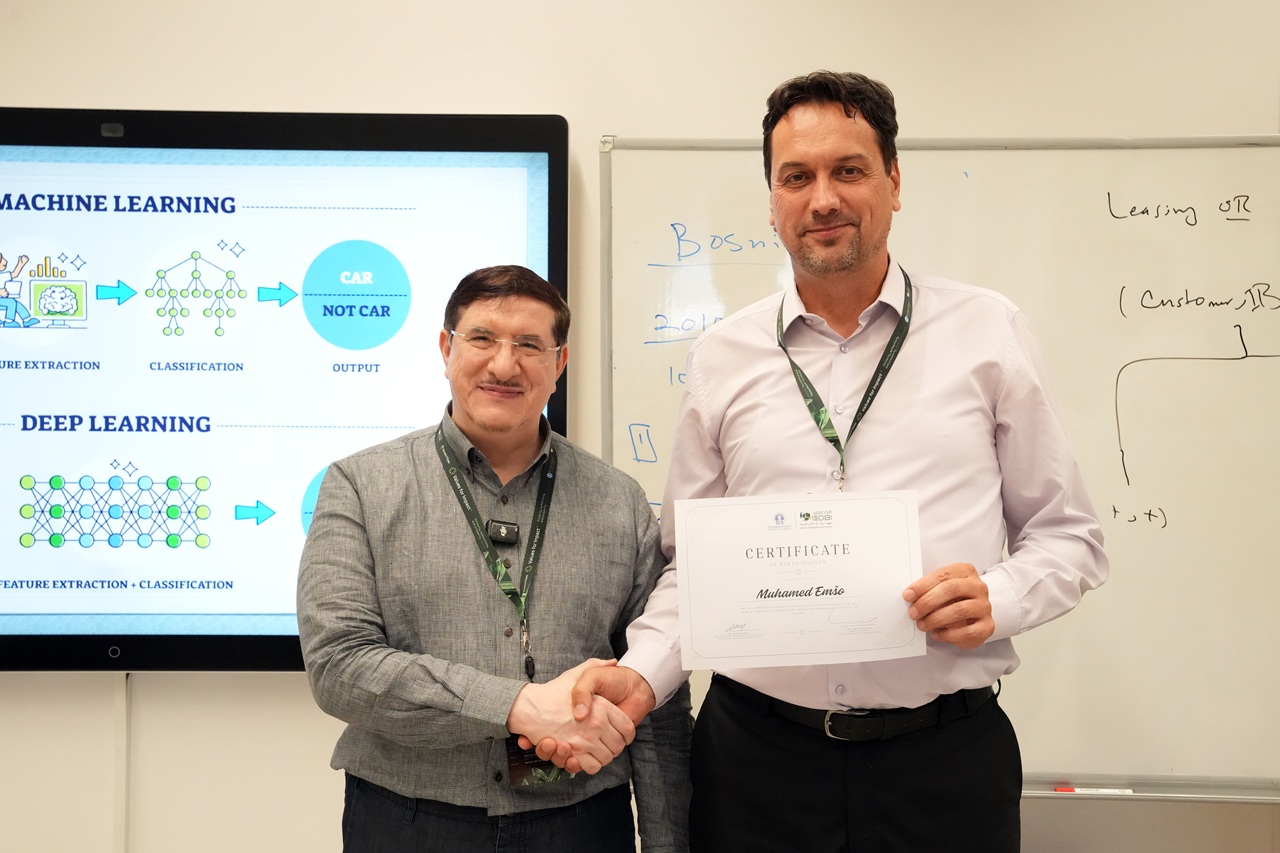
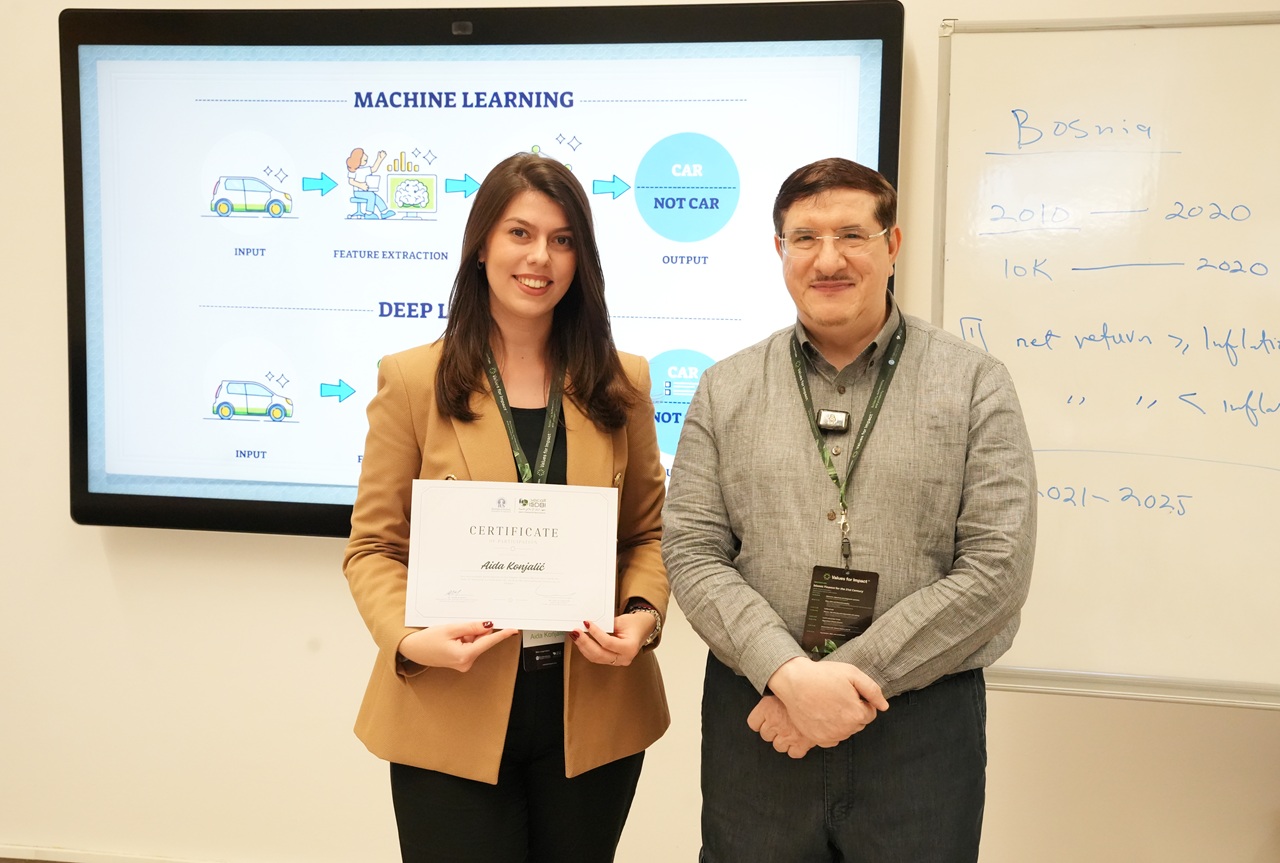
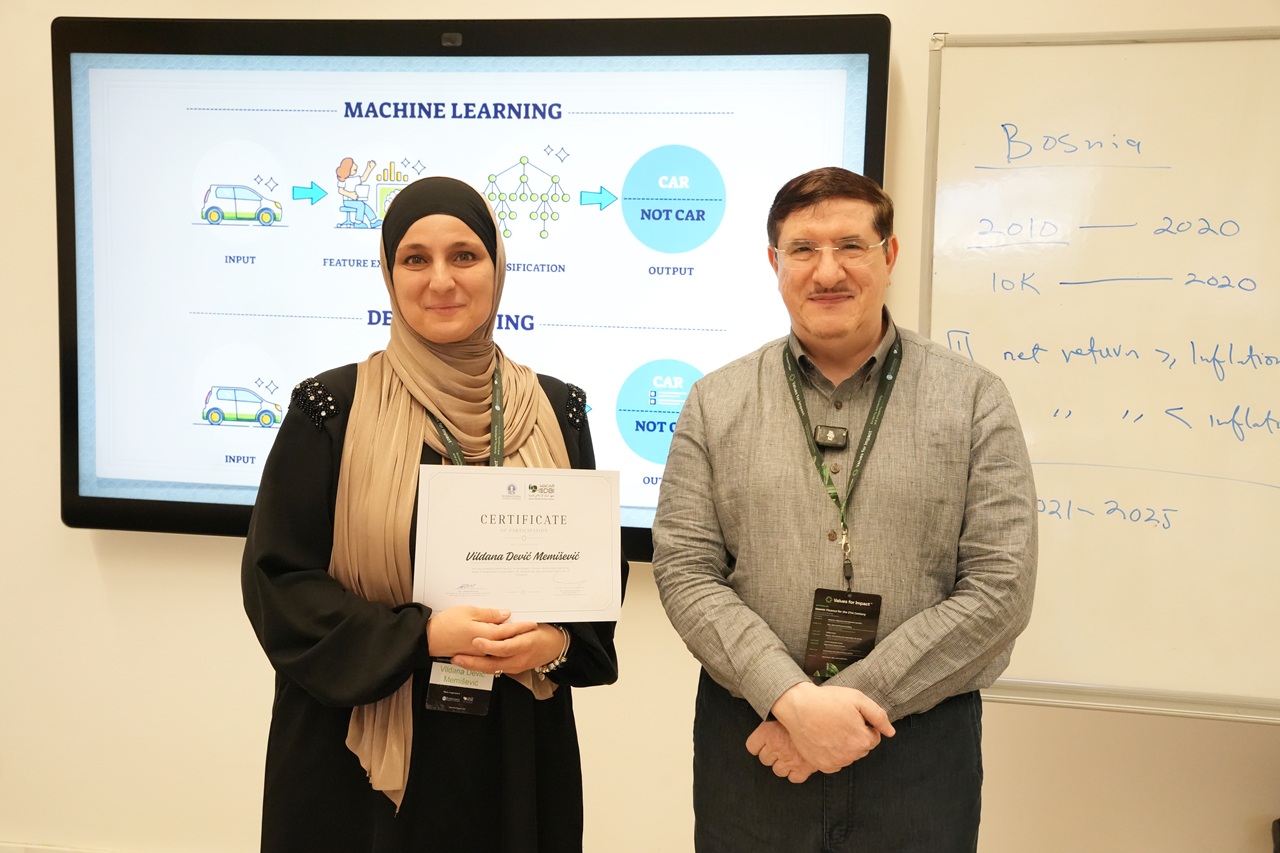
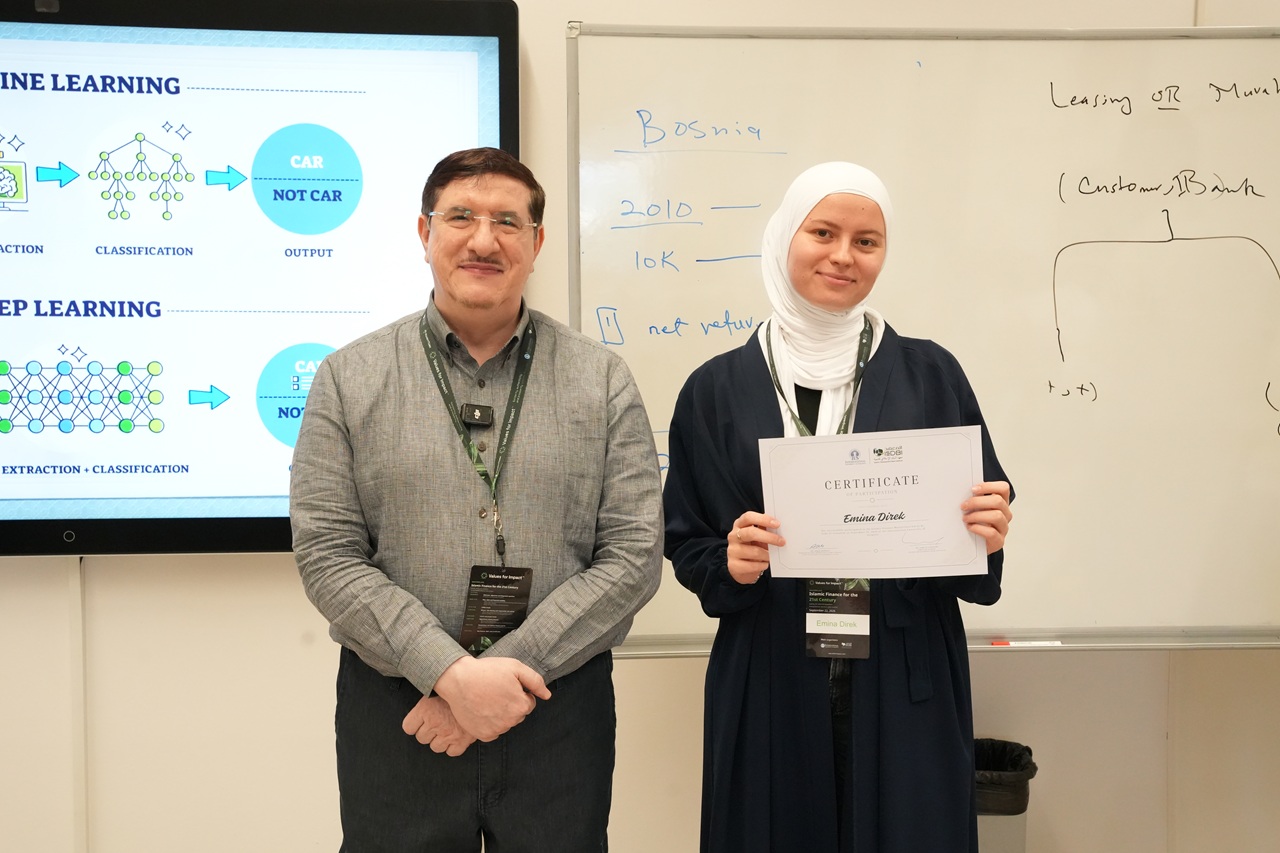
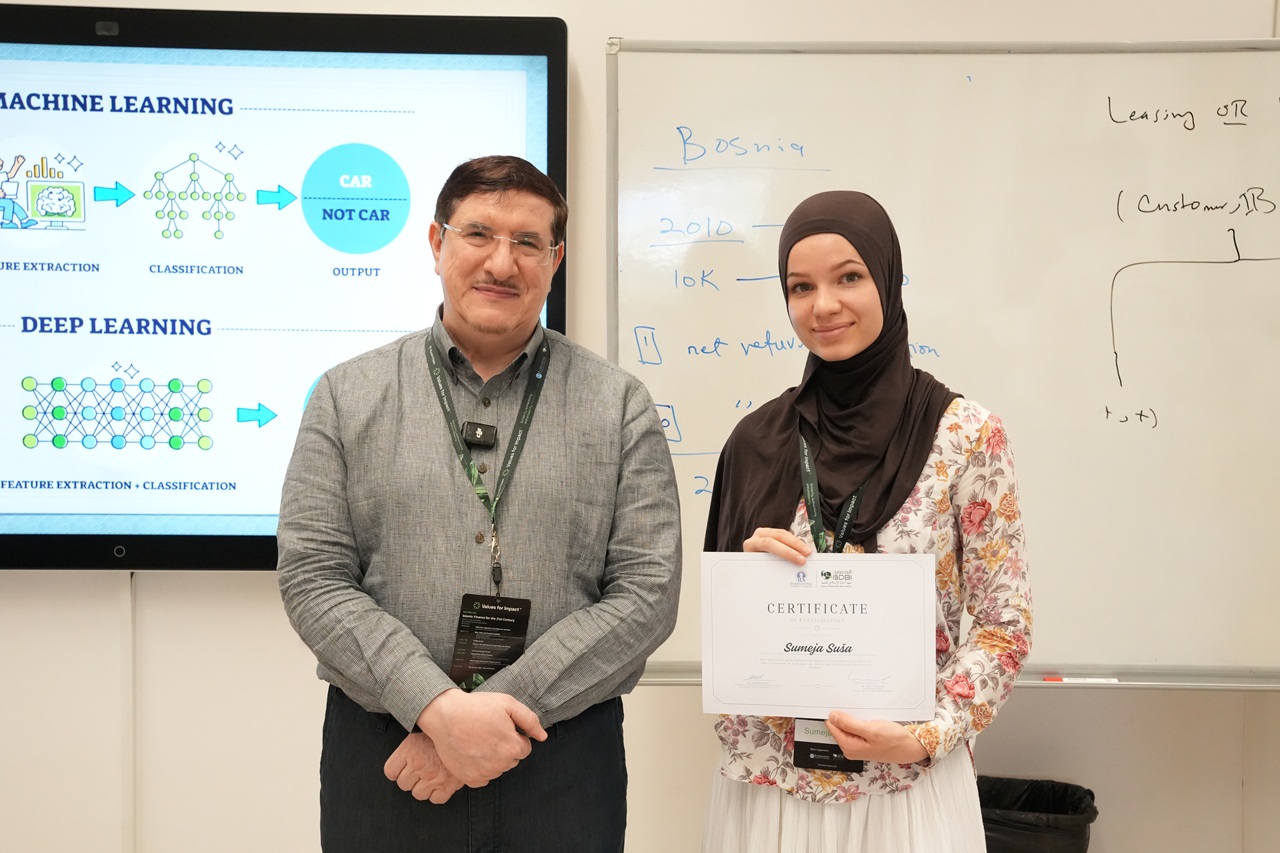
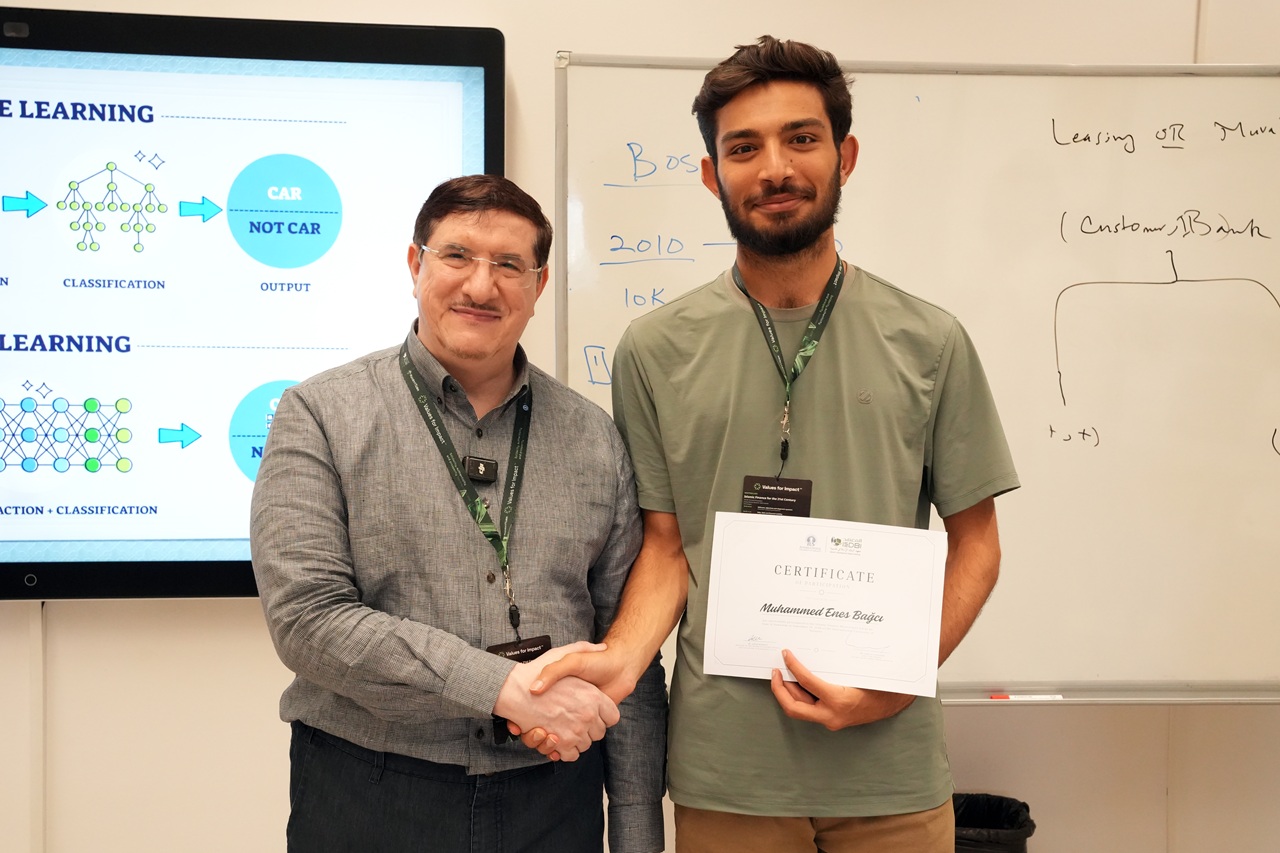
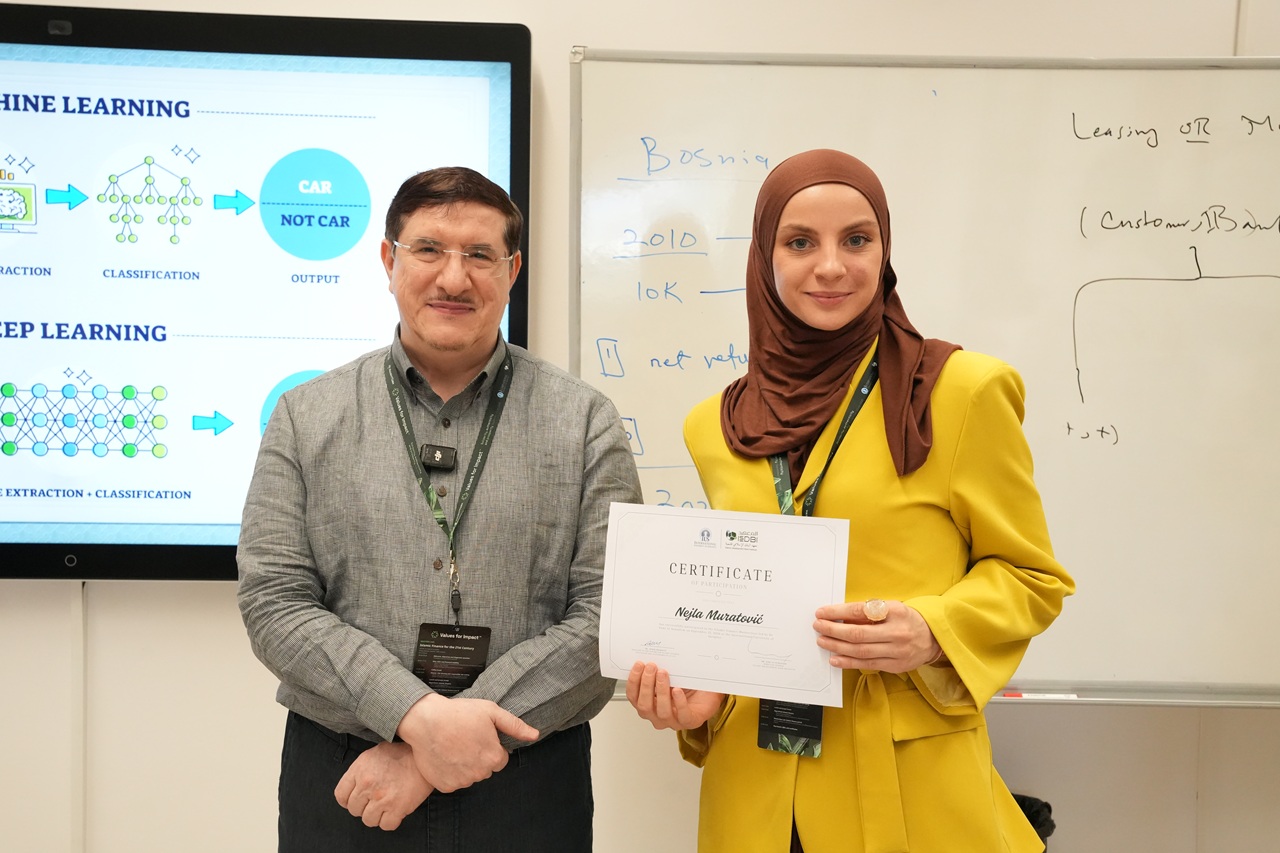
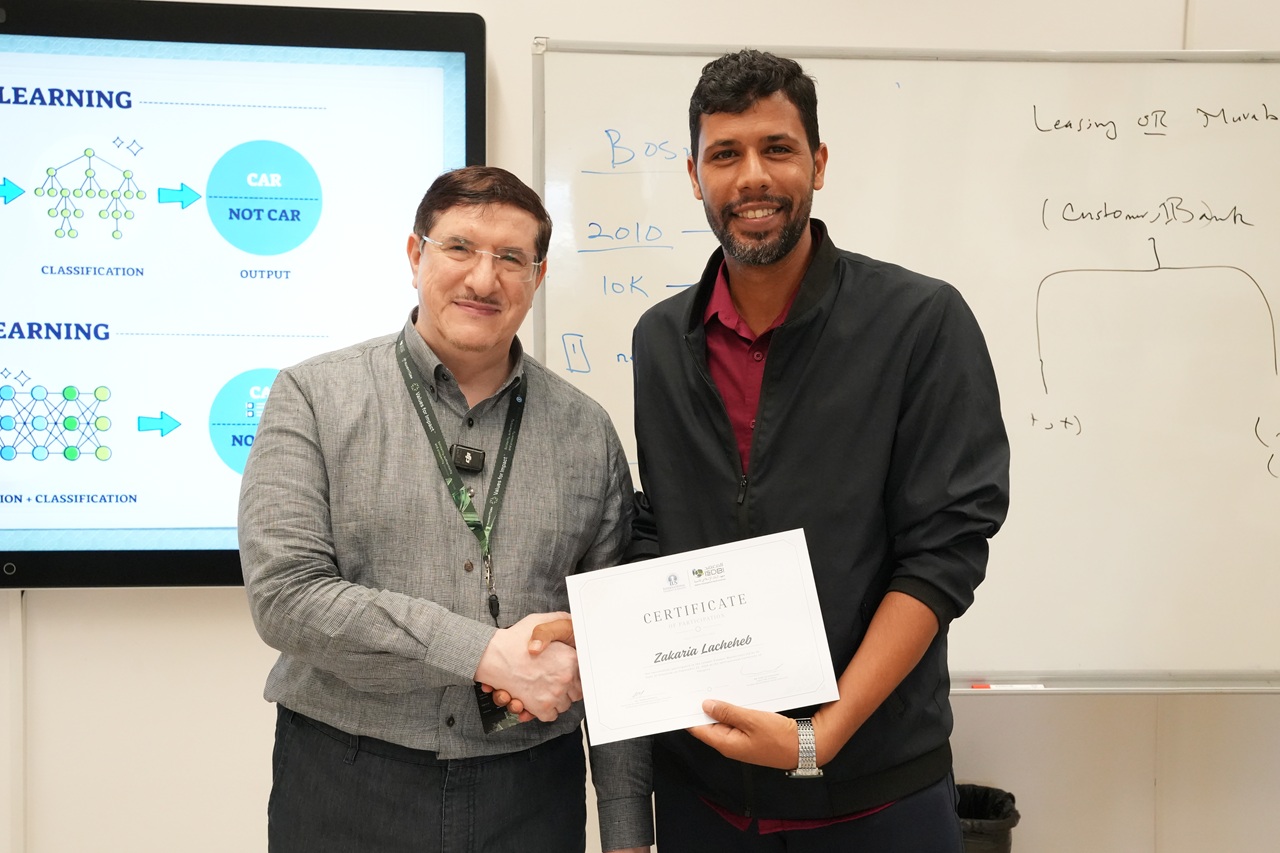
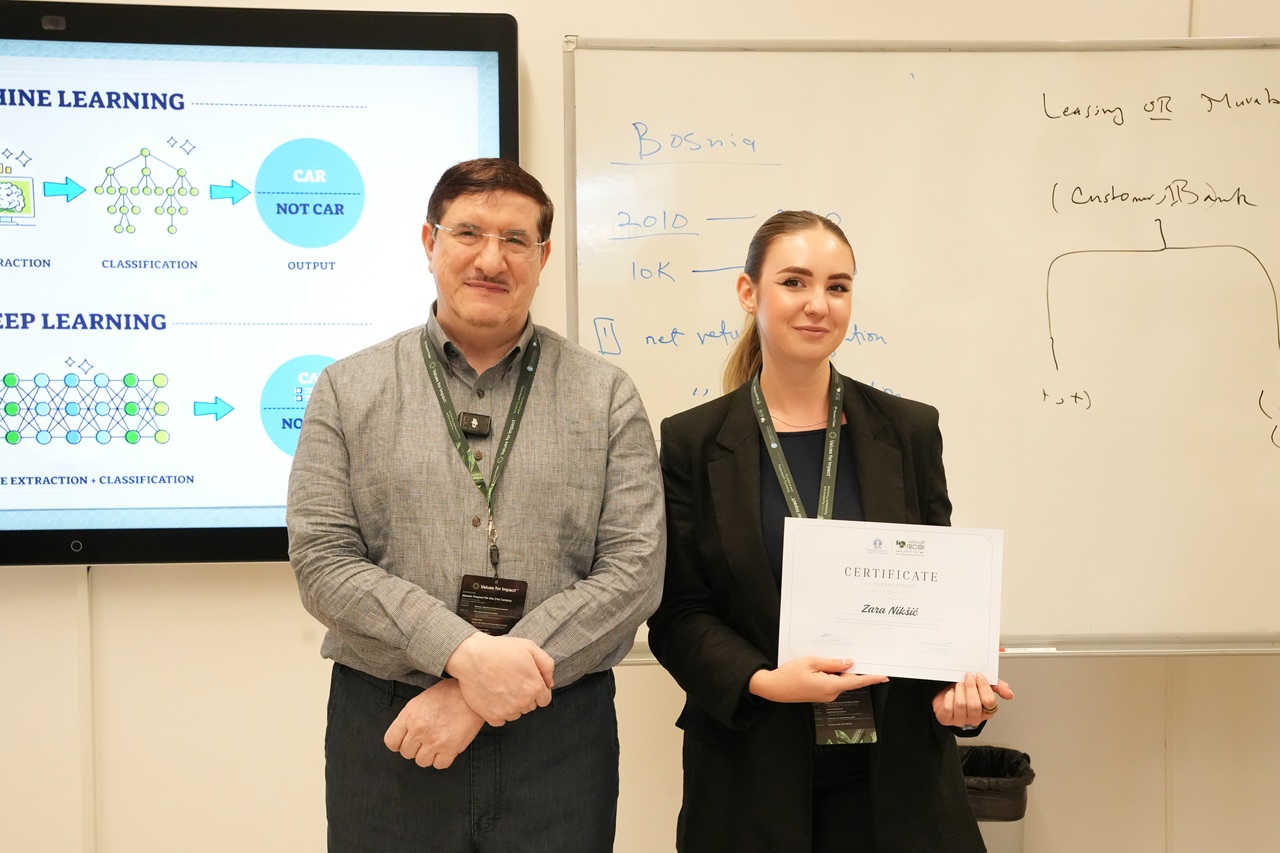
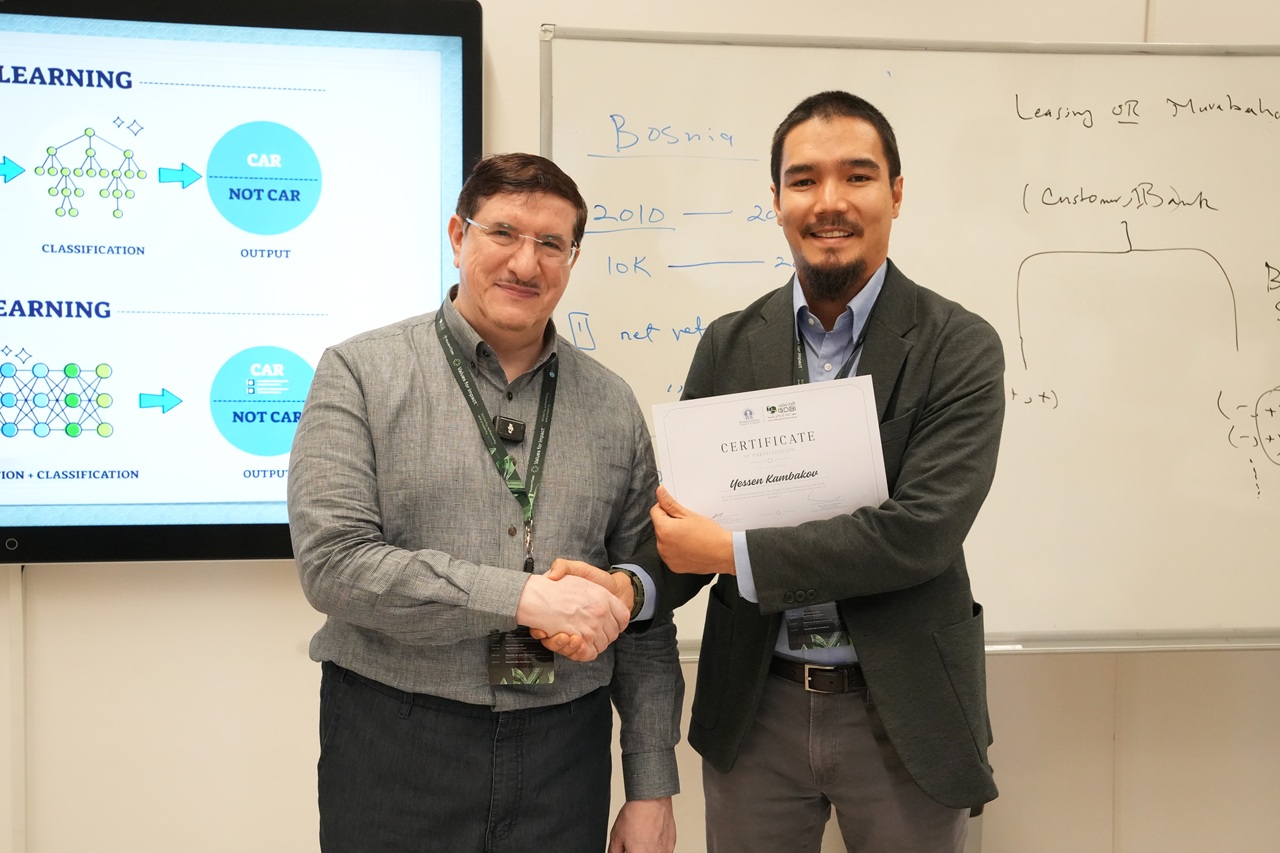
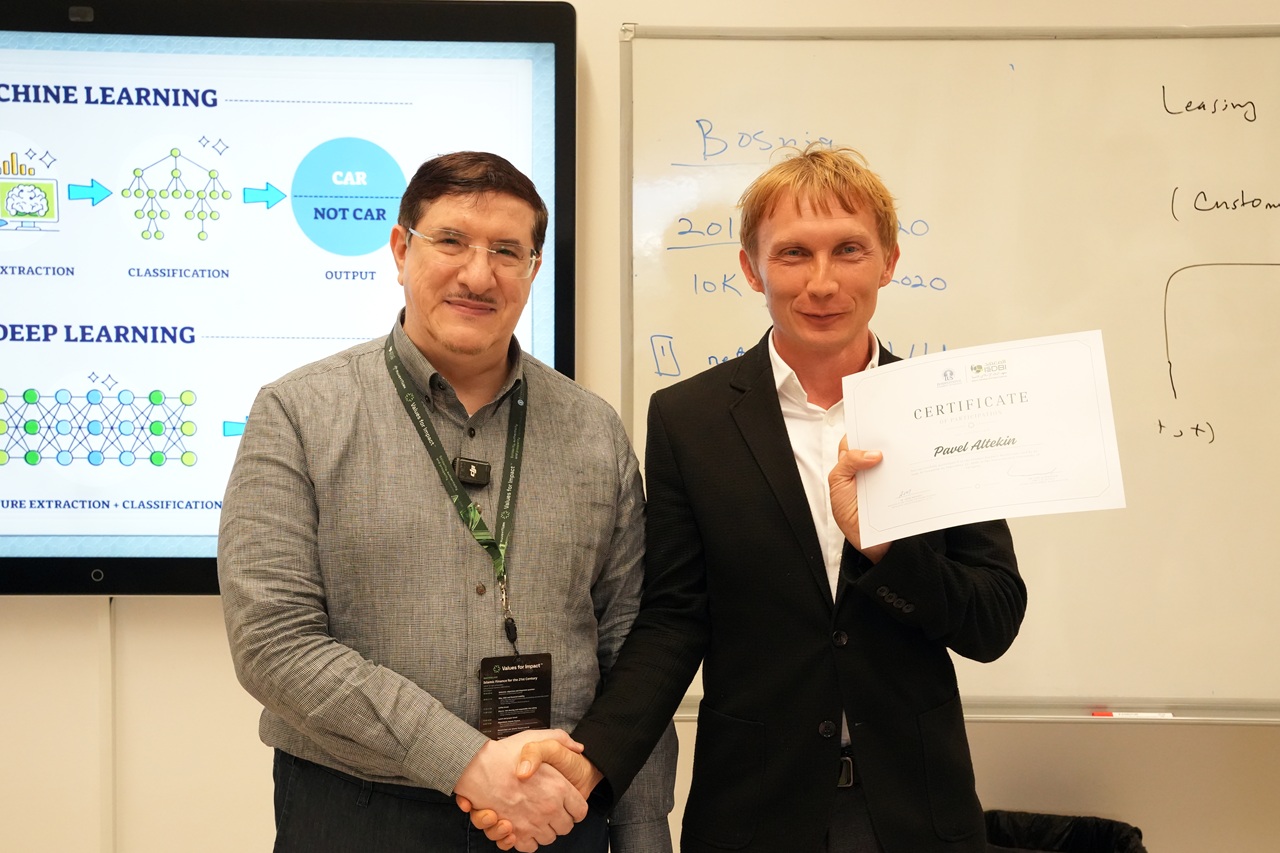
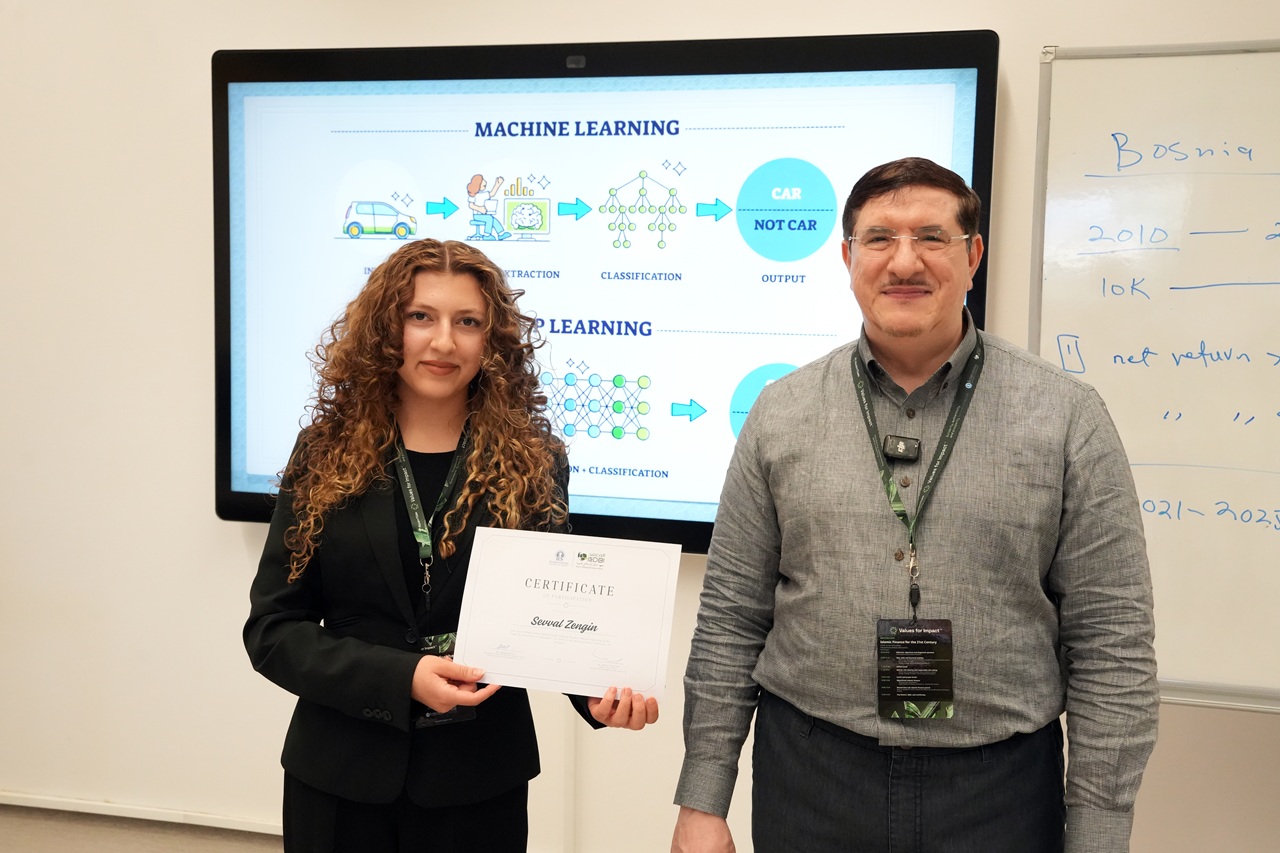
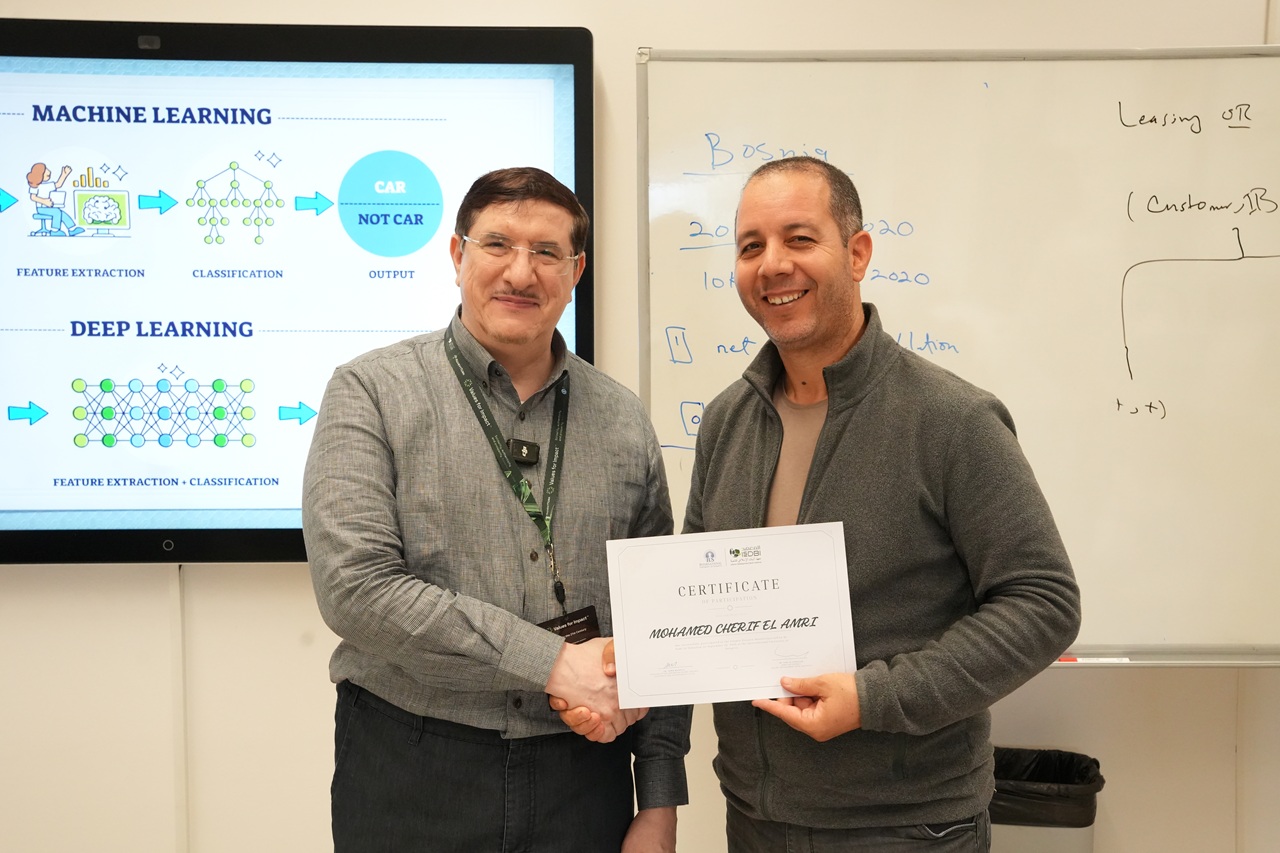
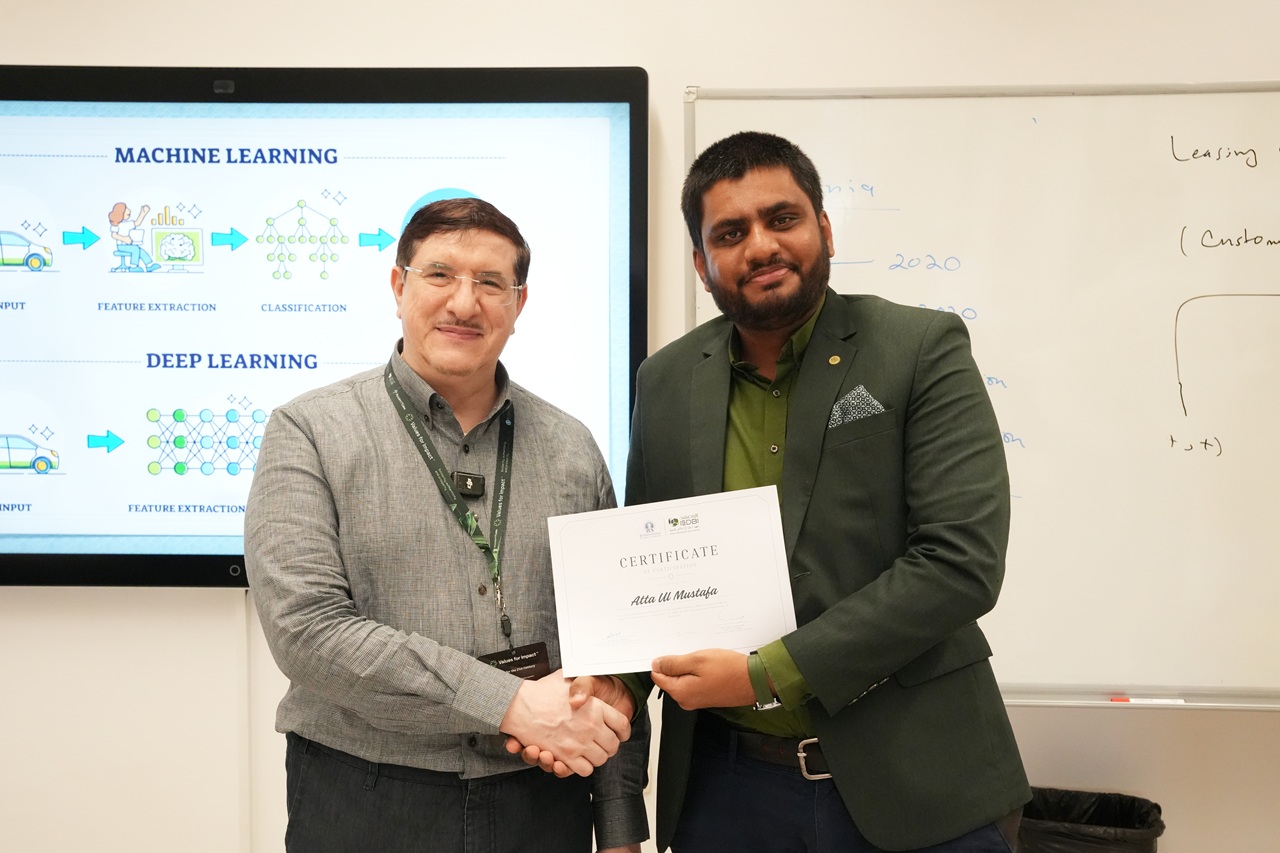
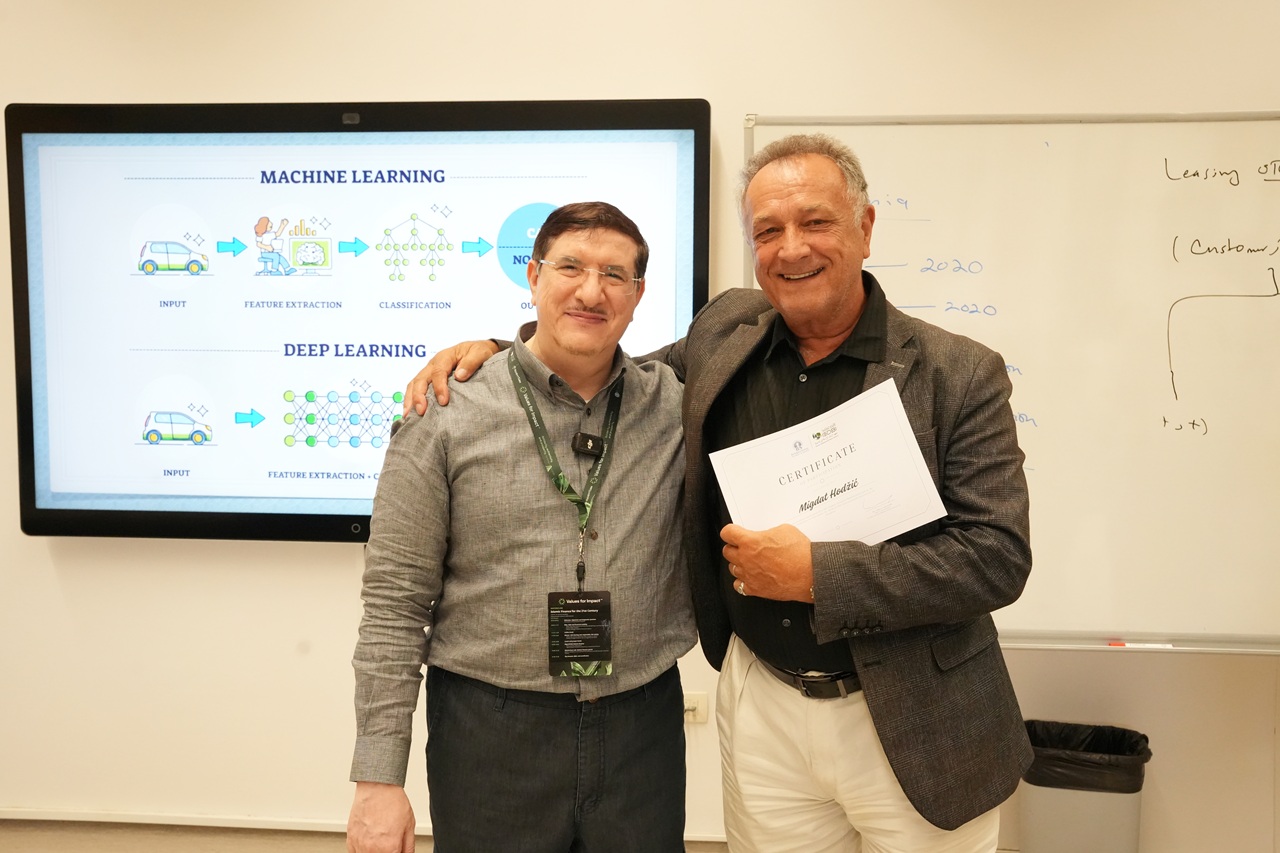
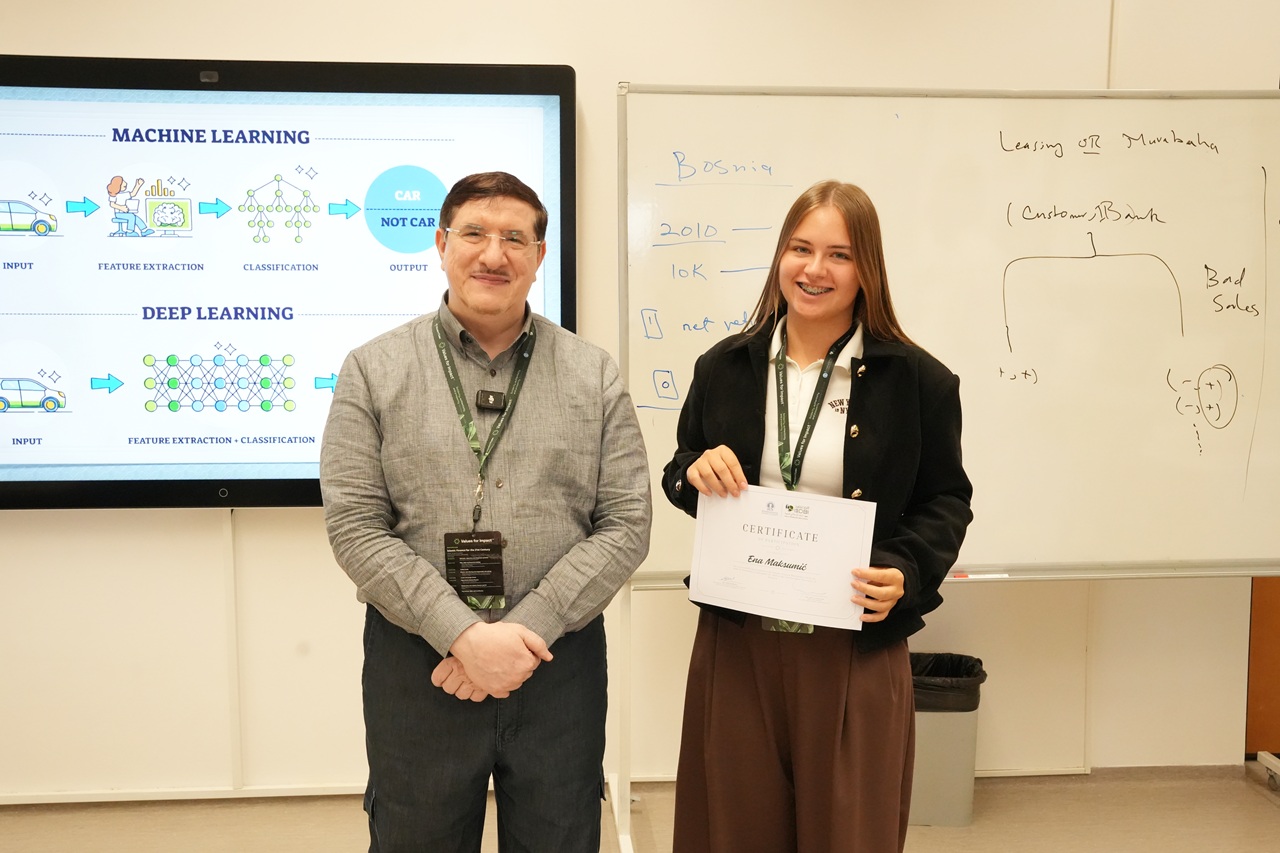
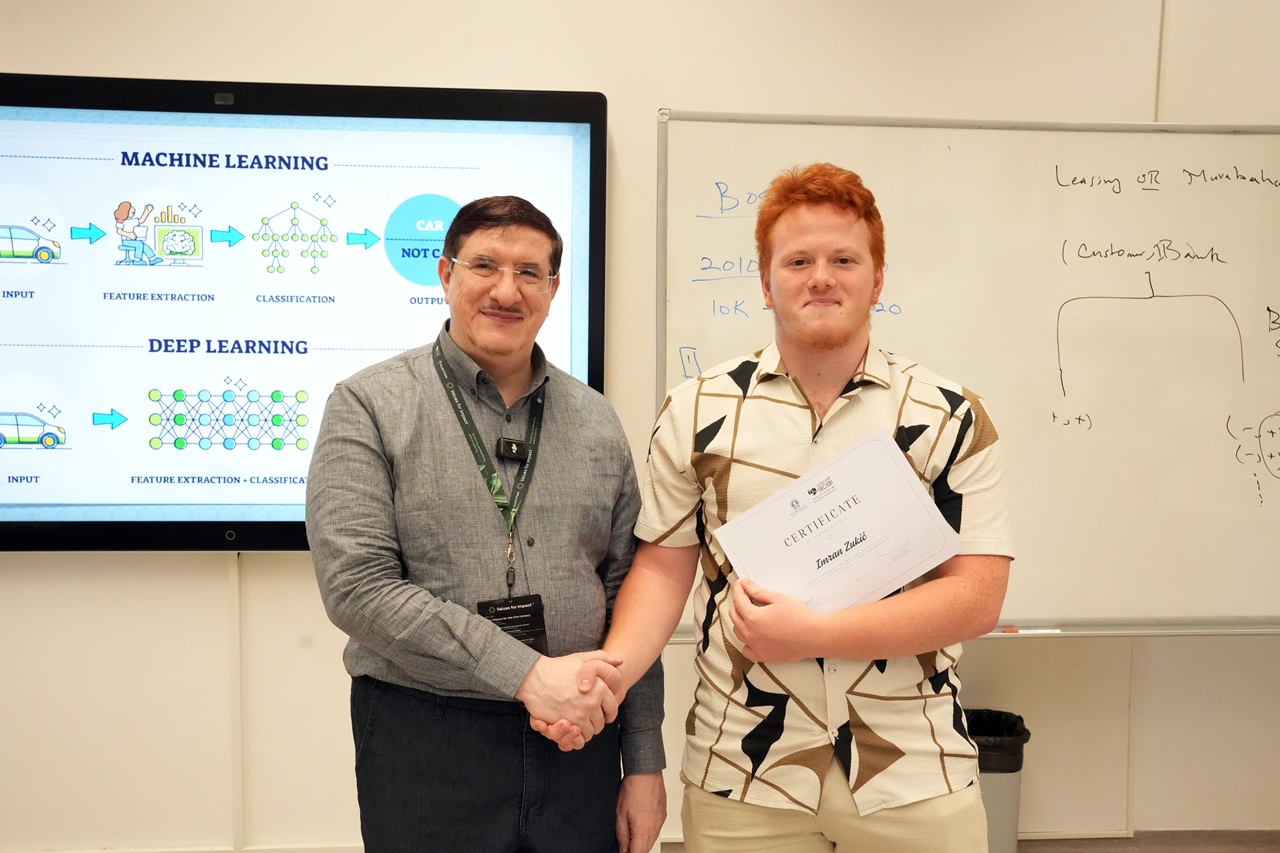
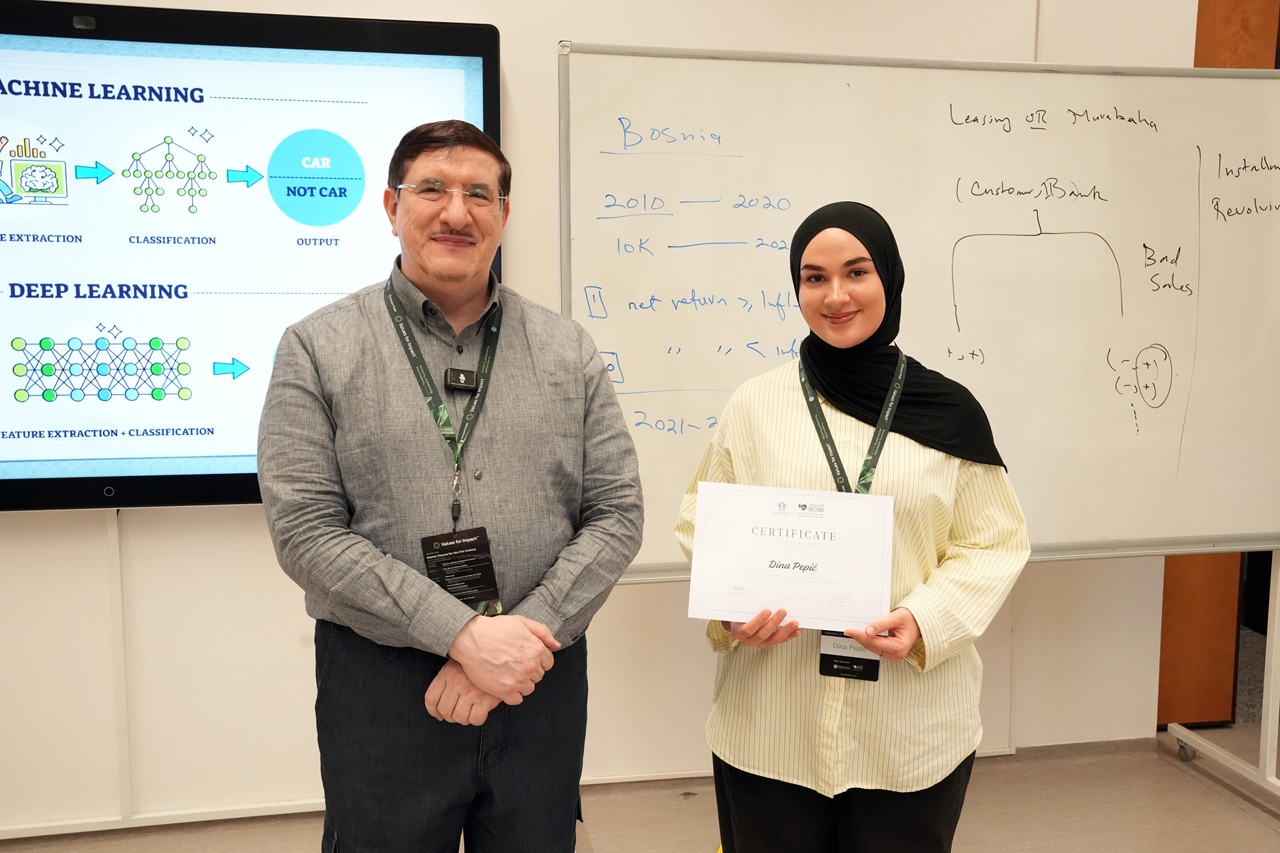
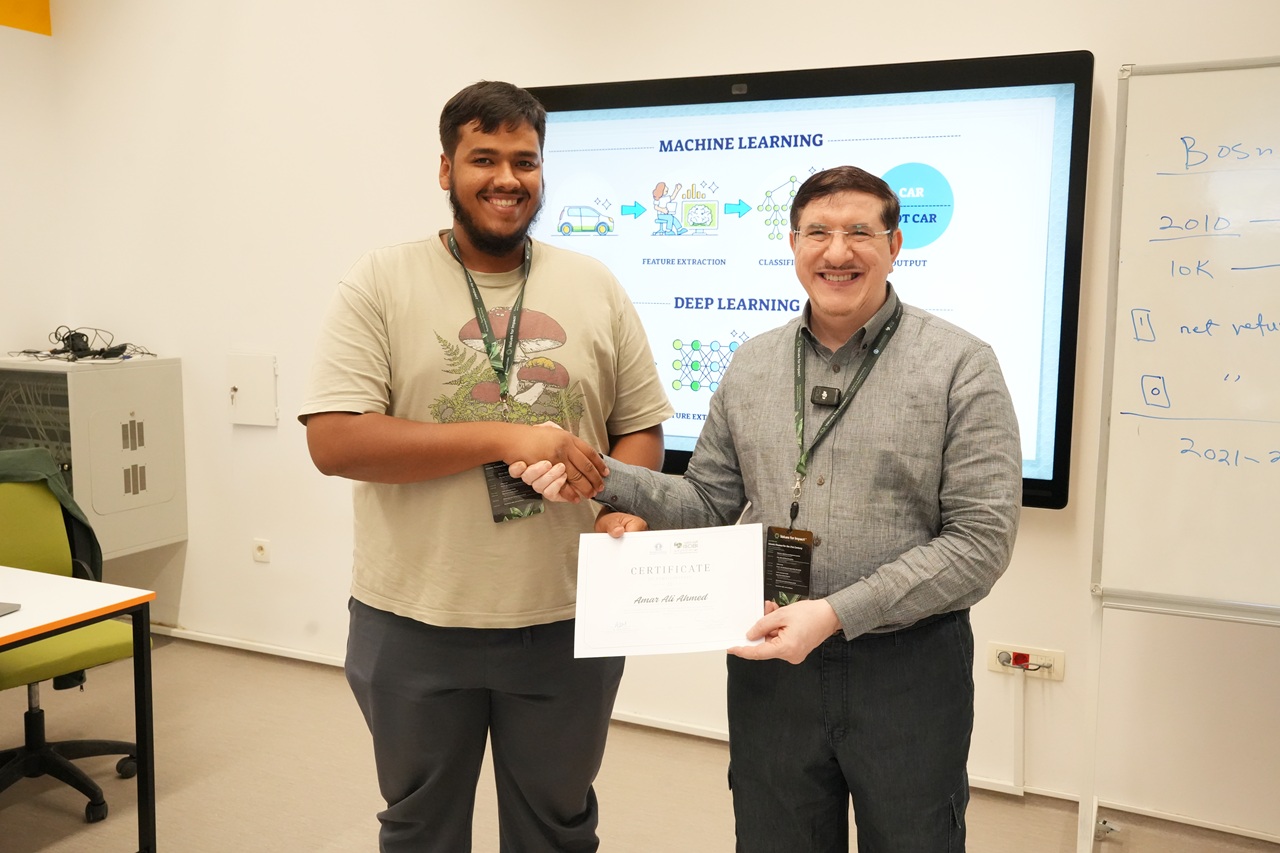
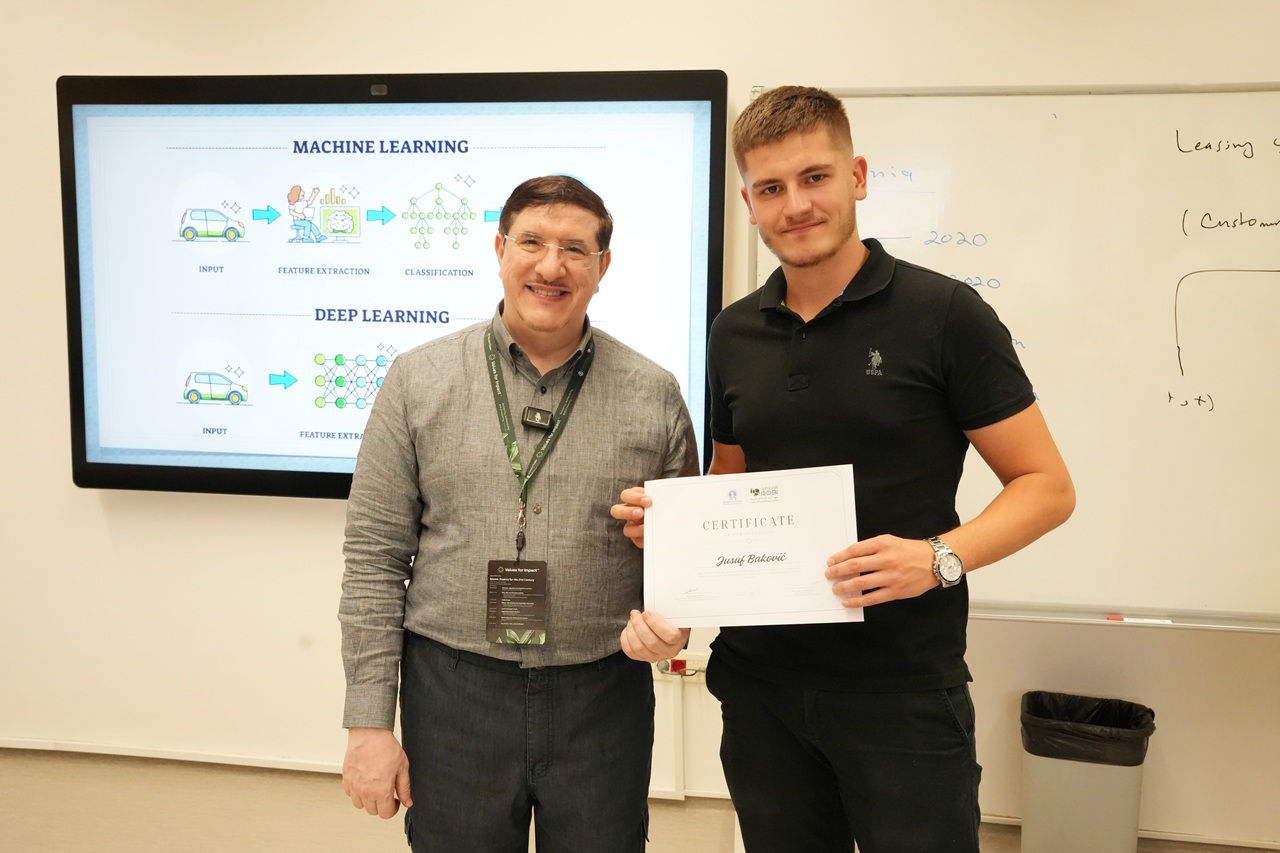
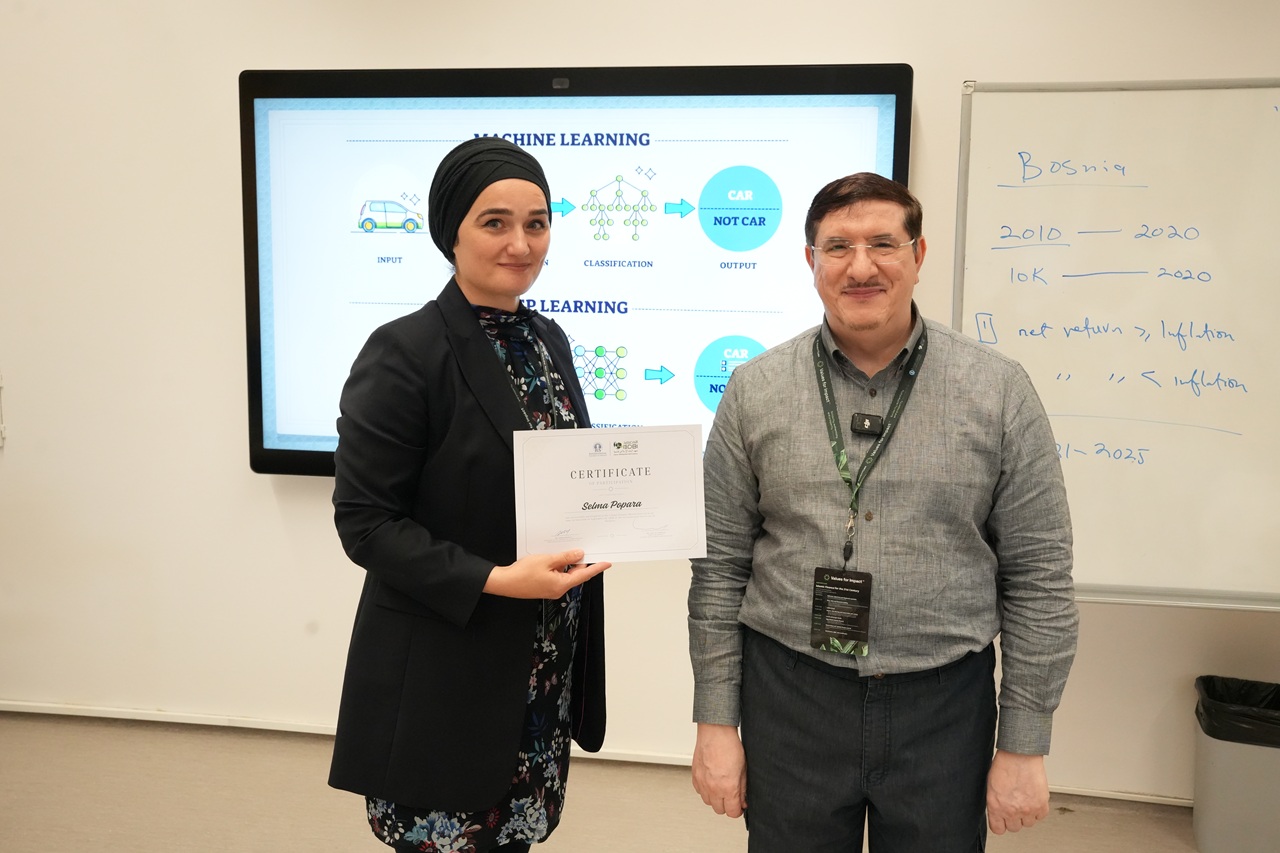
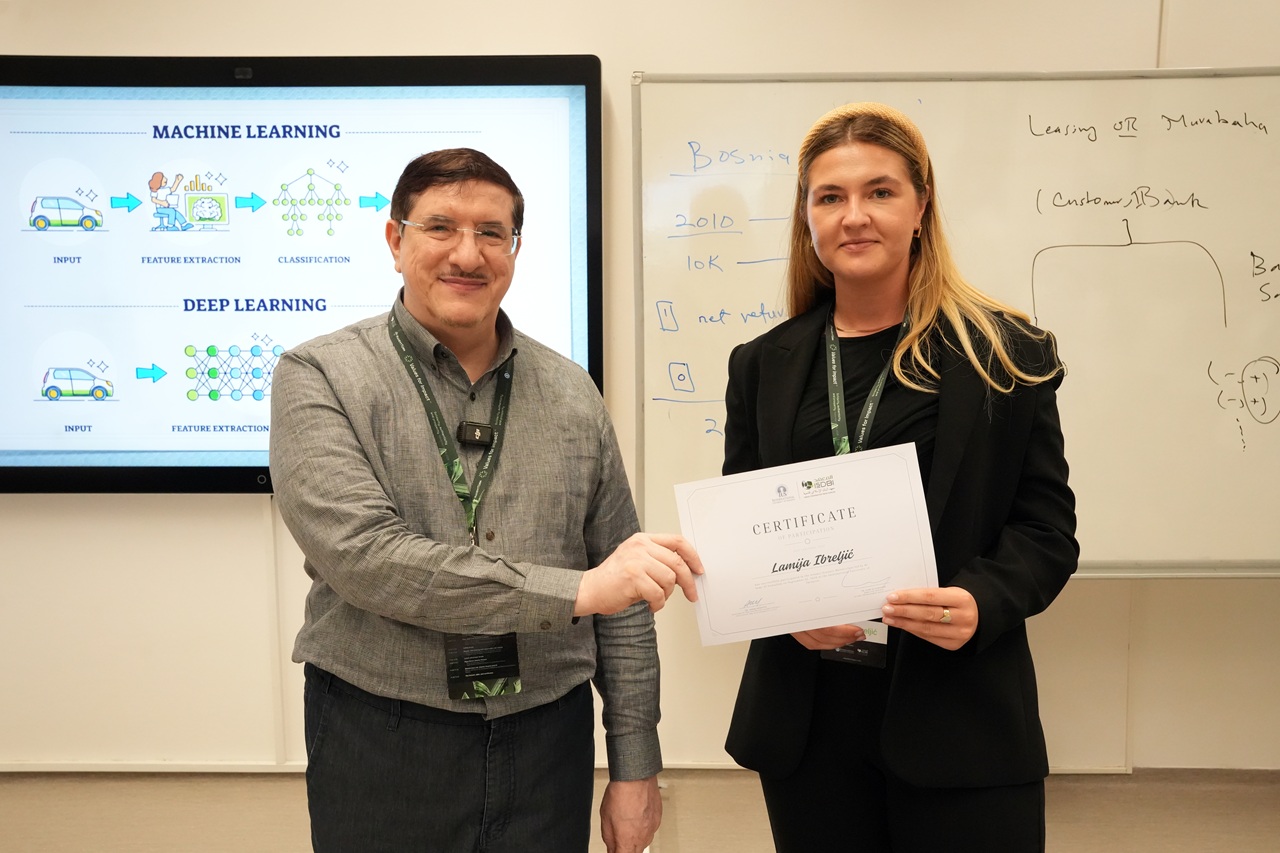
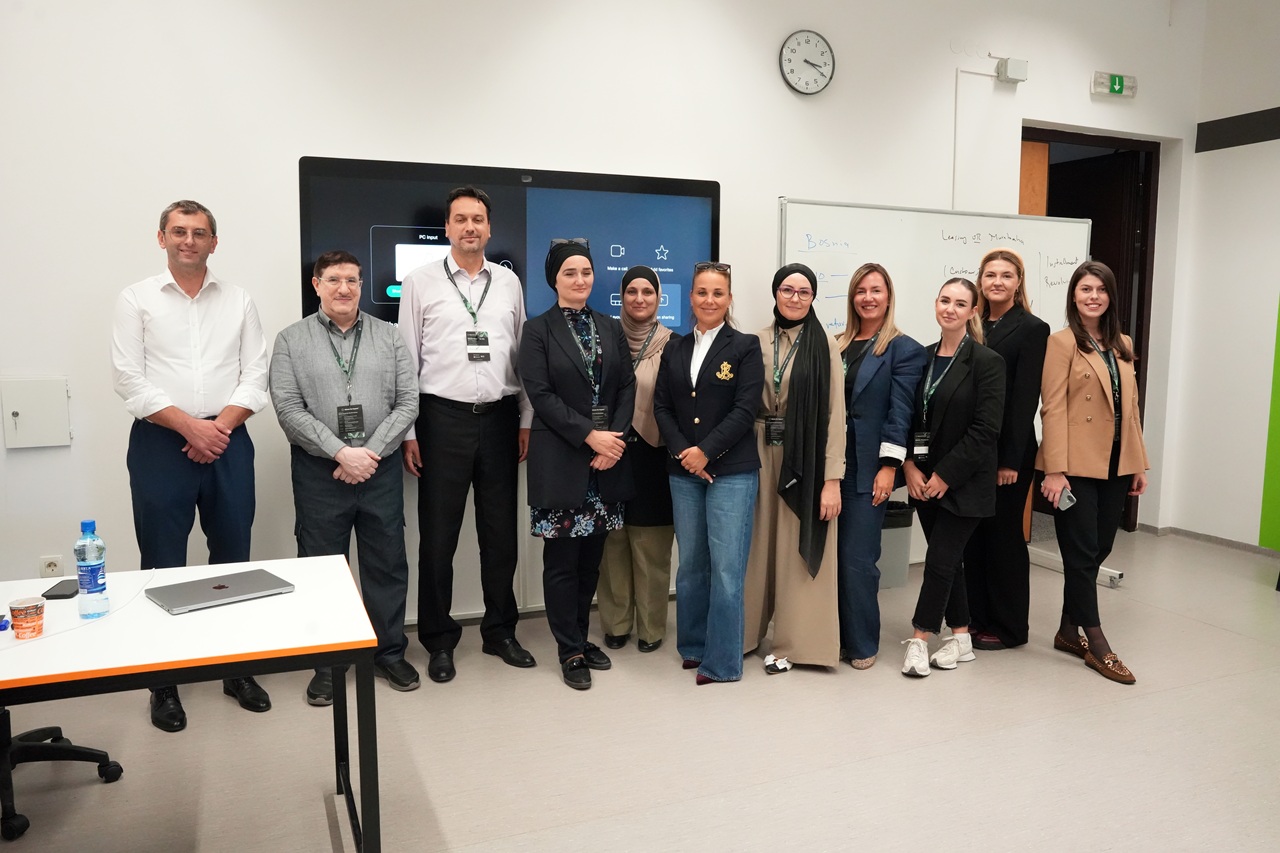
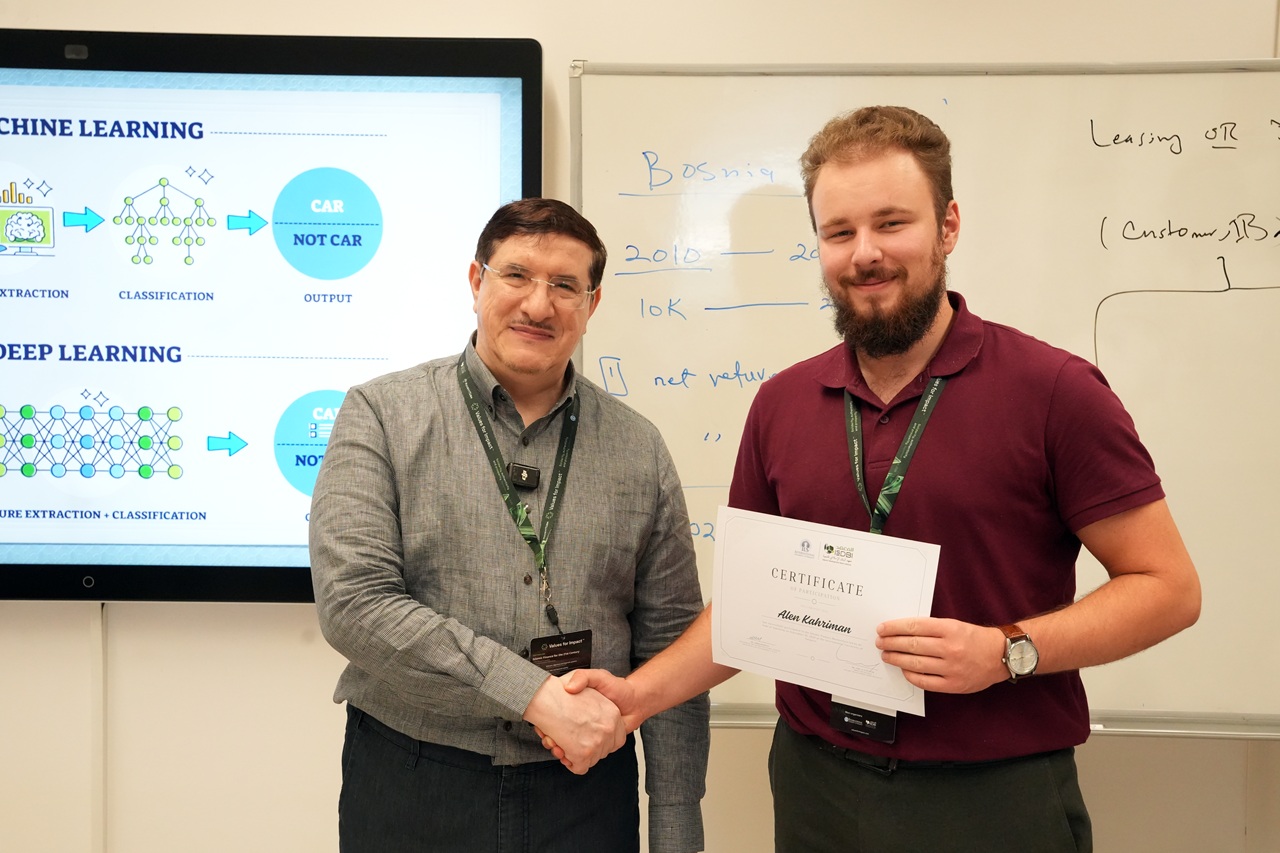
The program concluded with a discussion of key lessons, a question-and-answer session and the presentation of certificates.
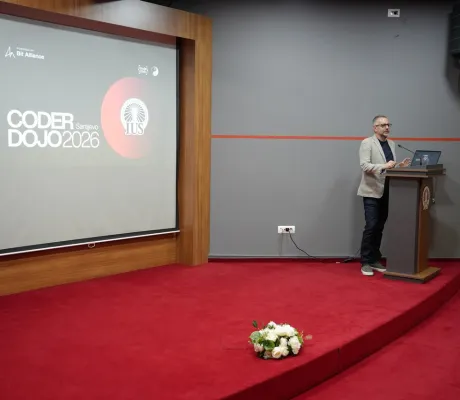
Combining senior international expertise, intellectual depth and a forward-looking agenda, the masterclass set a strong intellectual tone for the Values for Impact Conference 2026, held at IUS on 23-24 September. It also demonstrated the value of bringing world-class knowledge into direct dialogue with learners in Sarajevo, placing them at the center of a conversation about what finance should become, and whom it should serve.