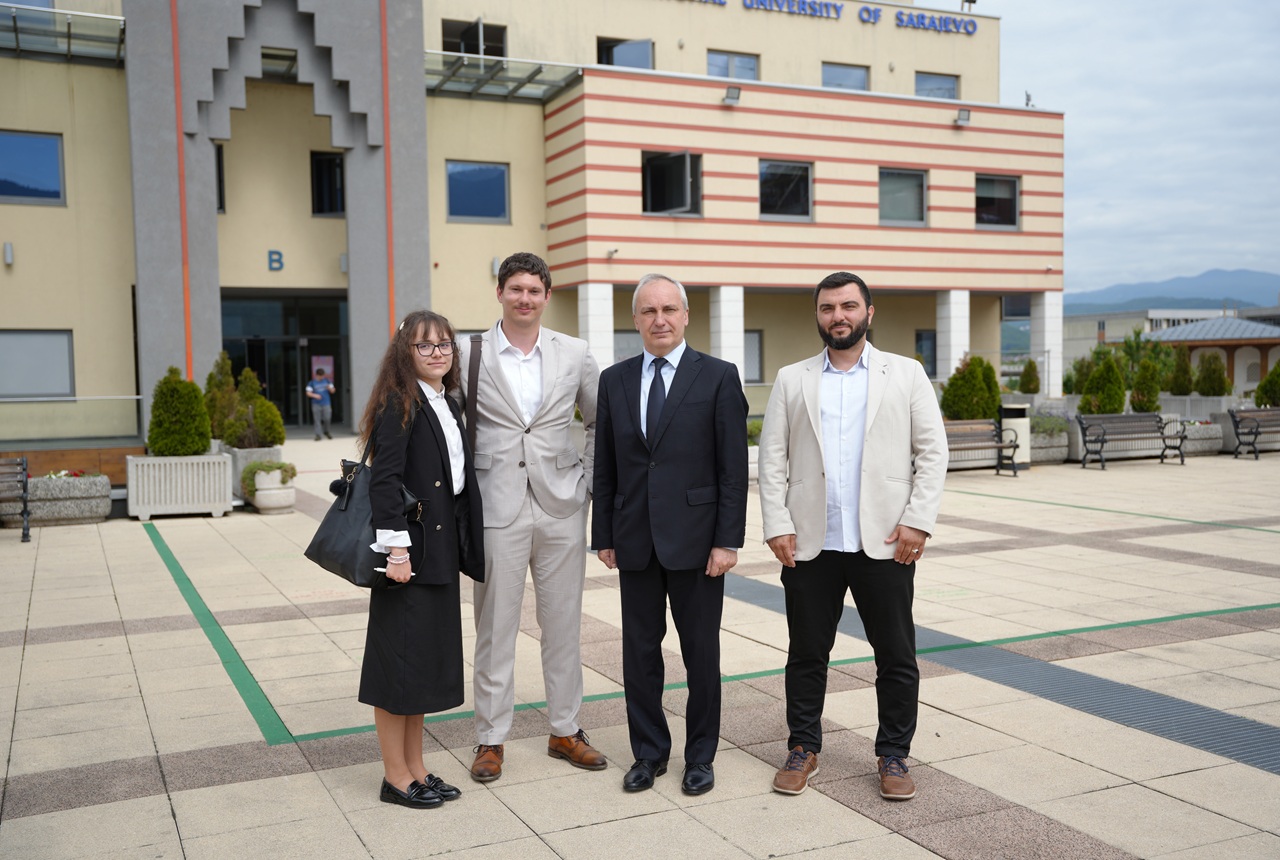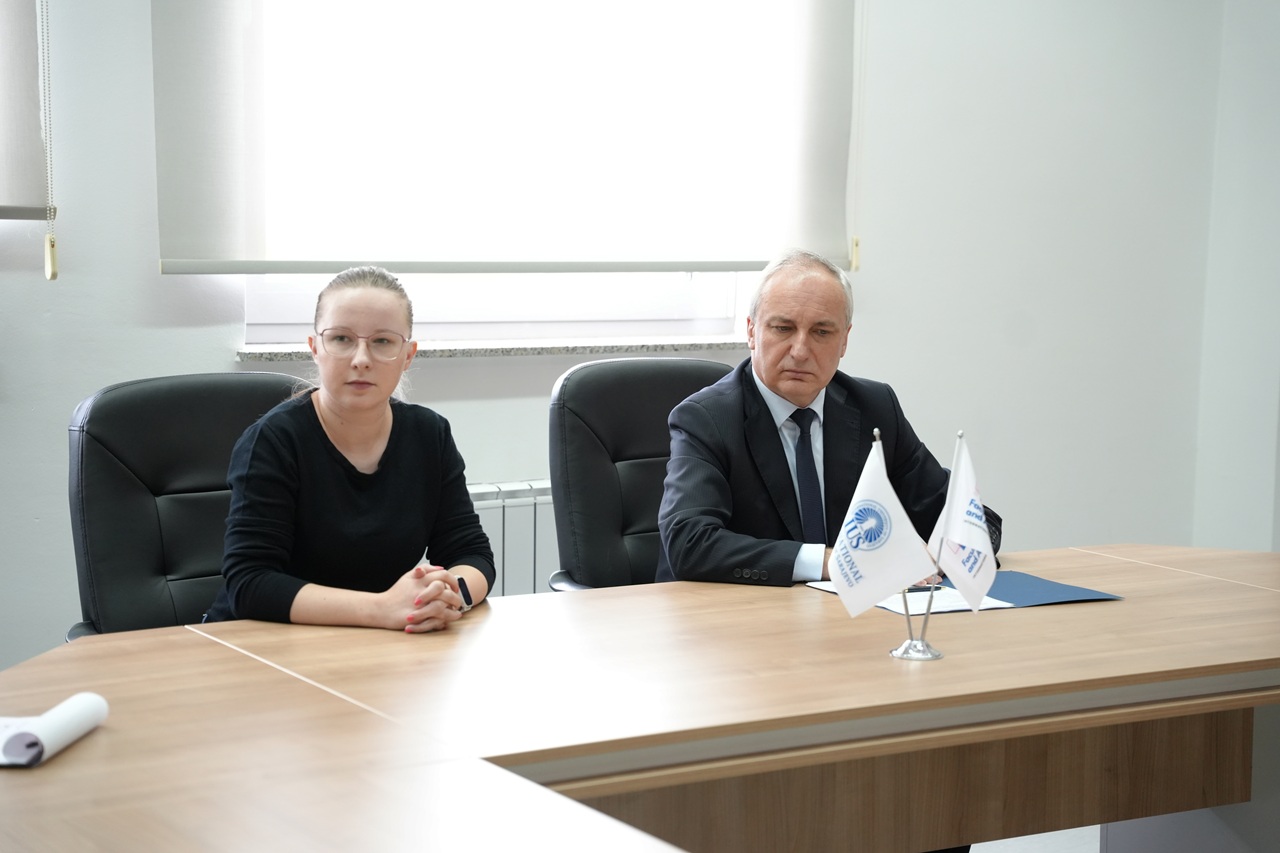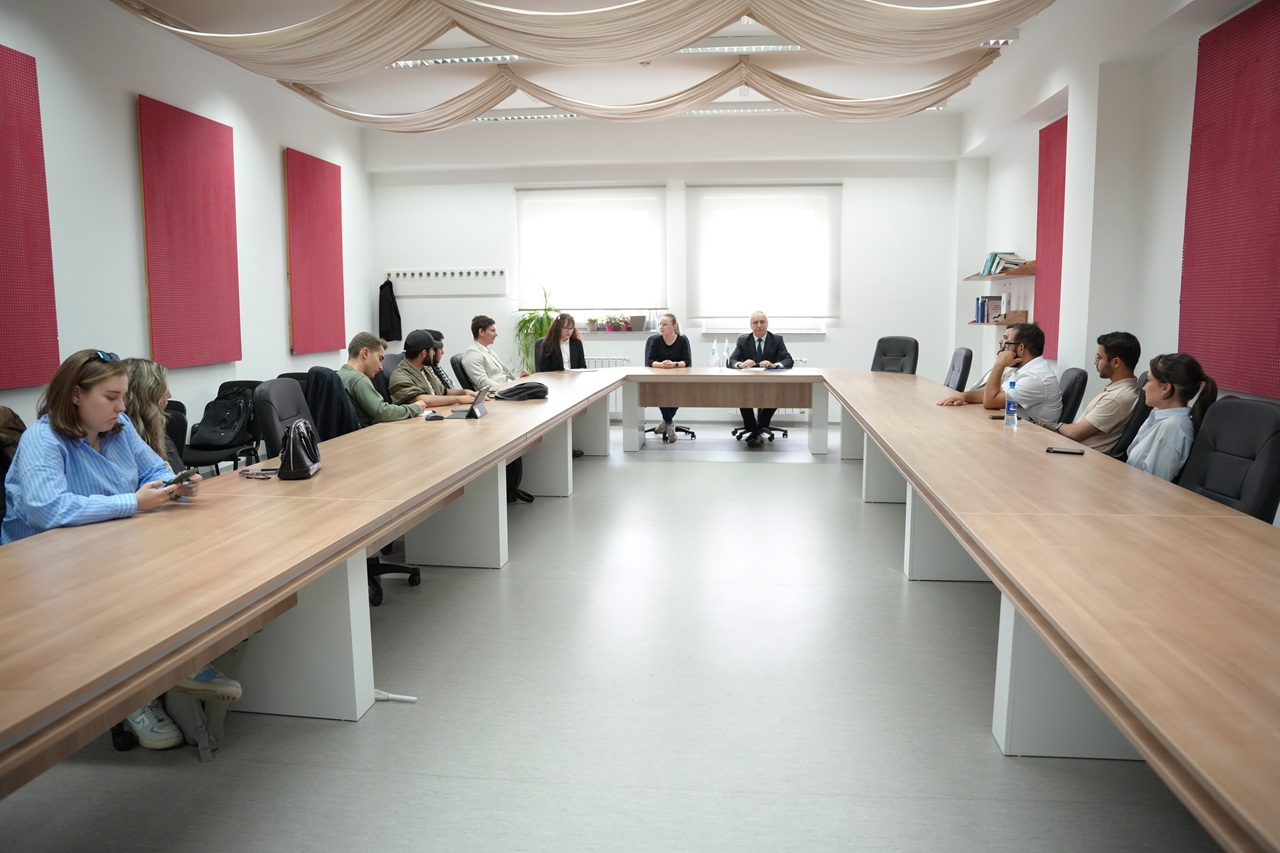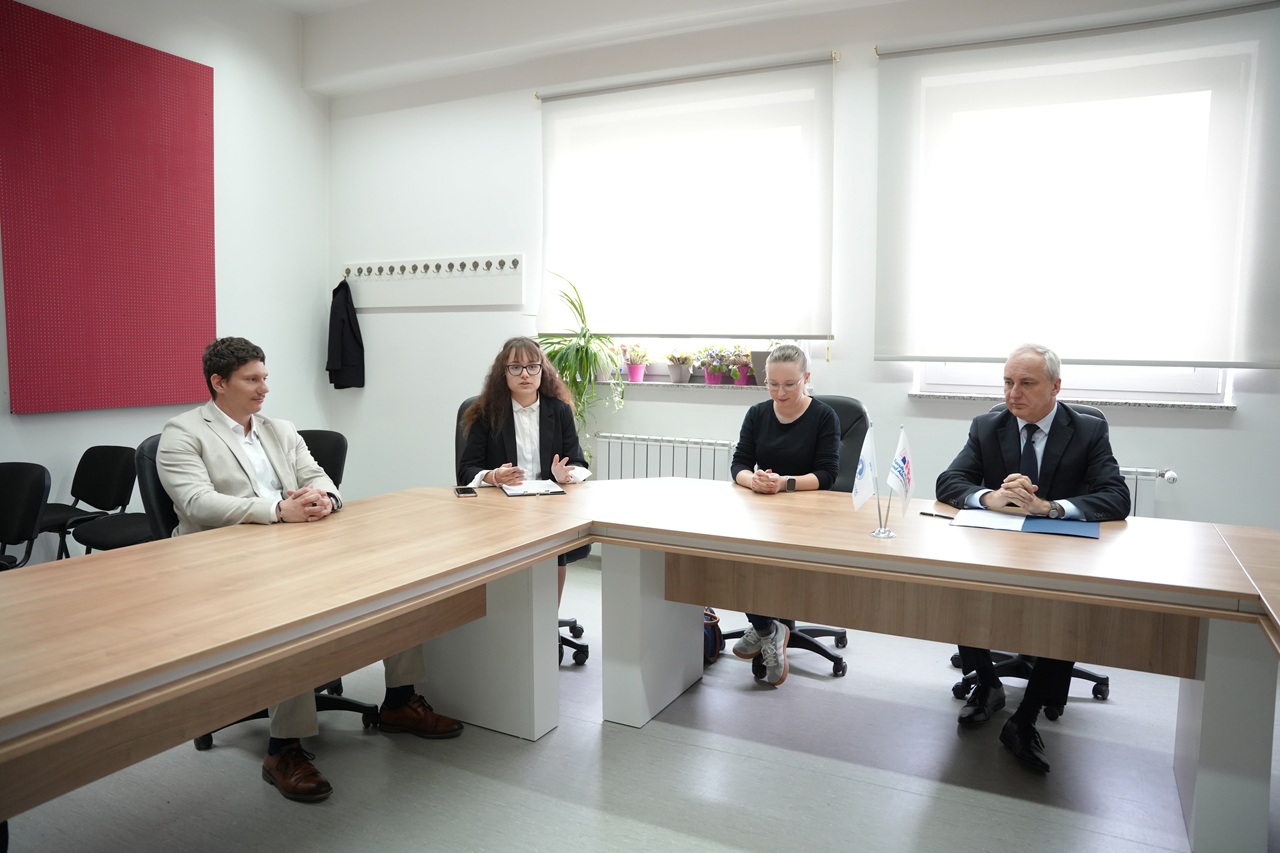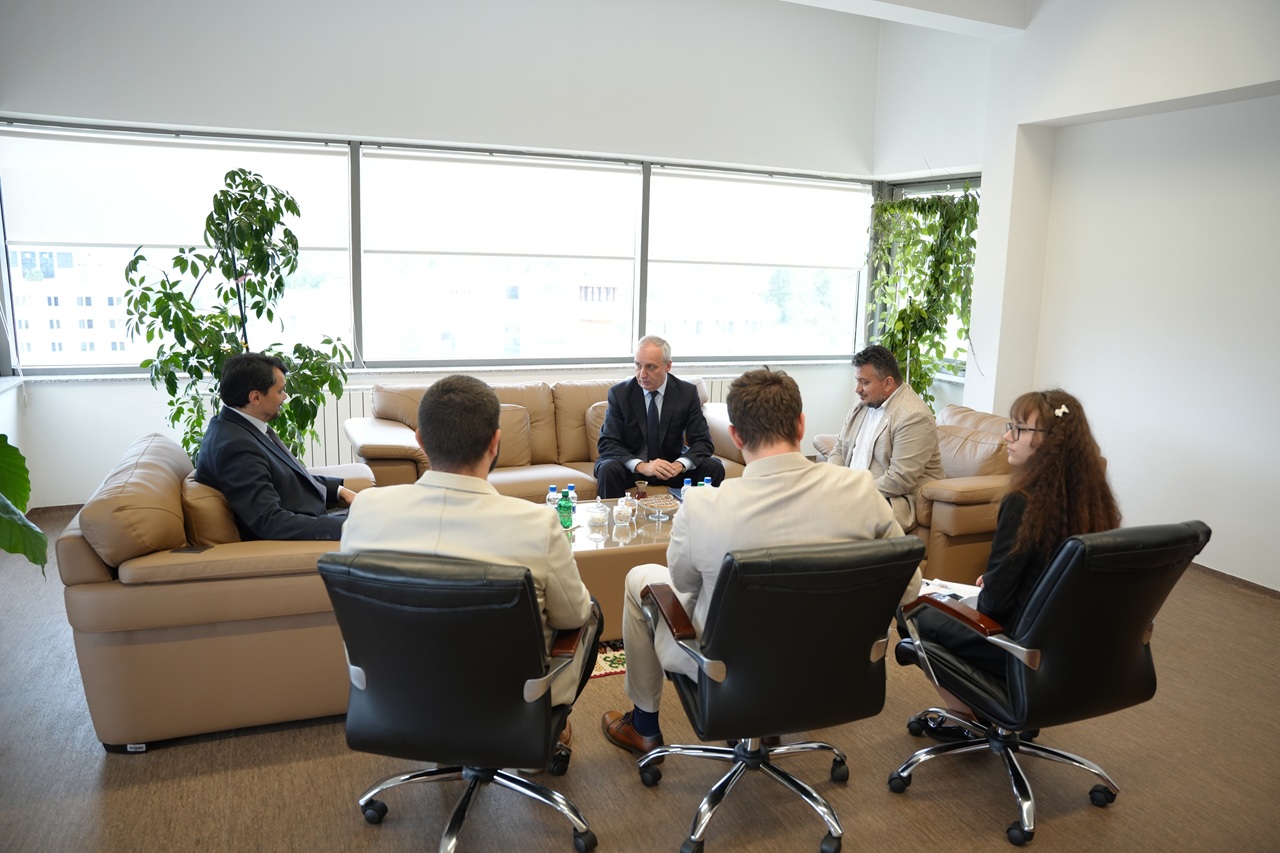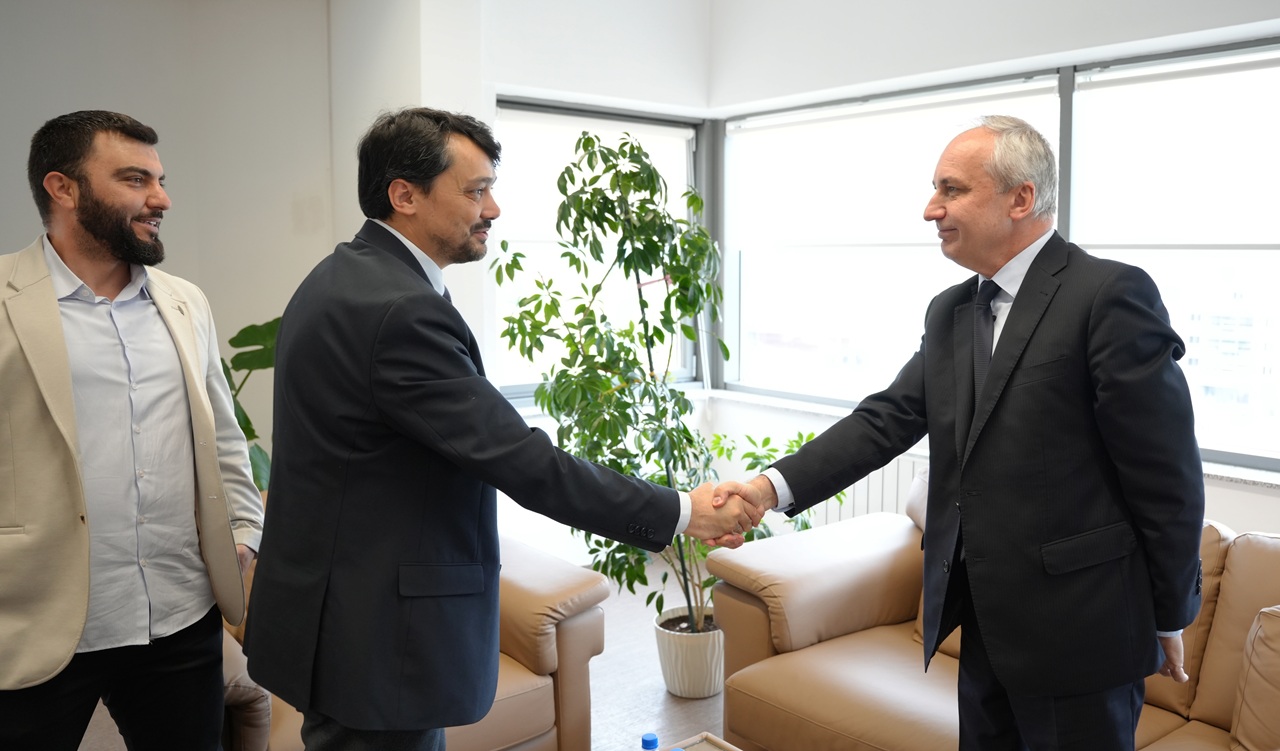
On Thursday, June 4, 2026, the Faculty of Business and Administration (FBA) hosted a panel discussion titled “Children in Armed Conflict: Institutions, Trauma, and Post-Conflict Recovery” in observance of the United Nations International Day of Innocent Children Victims of Aggression.
The event was organized by the Global Affairs and Political Studies student club and the Balkan Studies Center, in collaboration with the Department of Political Science and International Relations (PSIR). The discussion was initiated and moderated by Ema Horňáčková, a PSIR student.
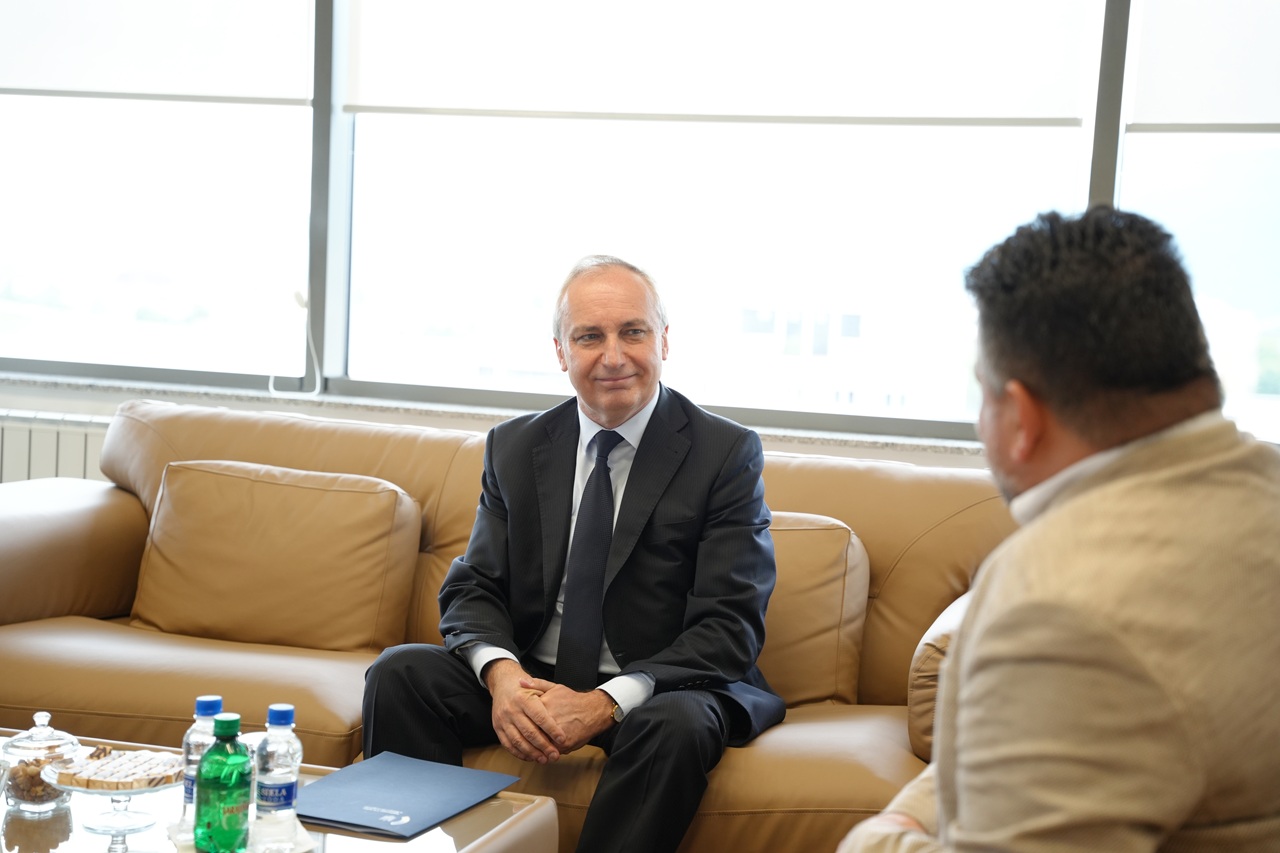
The panel featured H.E. Volodymyr Bachynskyi, the first permanent Ambassador of Ukraine to Bosnia and Herzegovina, and Merima Bradarić Srna, psychologist and Vice President of the Association Menssana, who offered diplomatic and psychological perspectives on the effects of armed conflict on children.
The discussion addressed the many challenges faced by children in conflict-affected areas, including displacement, family separation, disrupted education, limited access to essential services, and the long-term psychological consequences of war. While the conversation acknowledged the suffering of children in conflicts around the world, special attention was given to Ukraine as a current example of war’s impact on younger generations.
Ambassador Bachynskyi spoke about the realities faced by Ukrainian children since the beginning of the full-scale invasion in 2022, including challenges related to education and displacement. He also reflected on Ukraine’s resilience, future prospects, and the importance of continued international support.
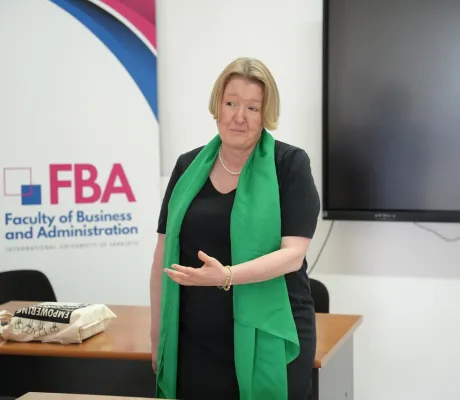
From a psychological perspective, Merima Bradarić Srna discussed both the immediate and long-term effects of trauma on children and families. She emphasized the role of parents, schools, communities, and mental health professionals in helping children cope with fear, loss, and uncertainty, while also drawing attention to the lasting consequences of war in Bosnia and Herzegovina, including intergenerational trauma.
The speakers stressed that although recovery programs and psychological support are essential, lasting healing depends above all on peace and security. An important theme throughout the panel was the connection between the experiences of Bosnia and Herzegovina and Ukraine, especially in relation to recovery, rebuilding trust, and protecting children’s rights.
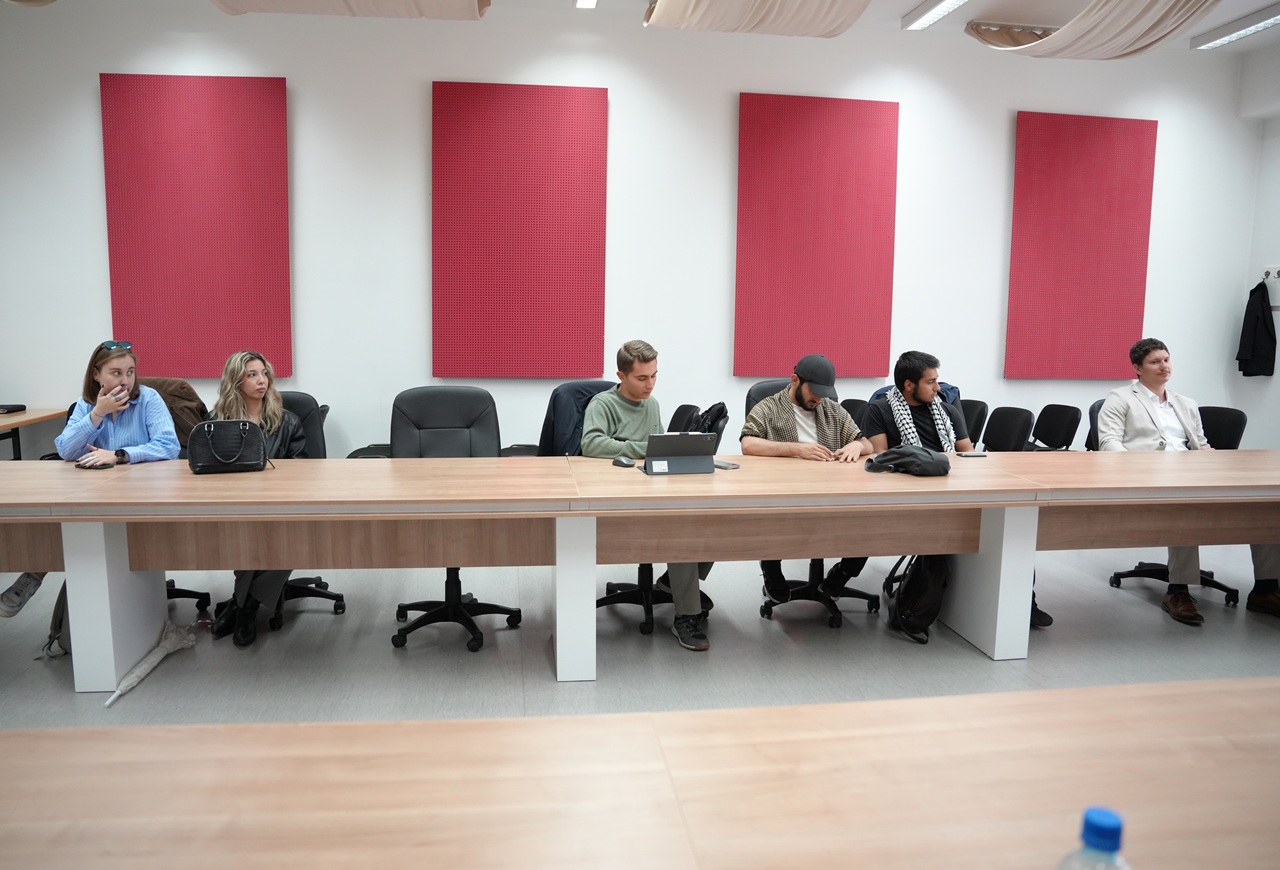
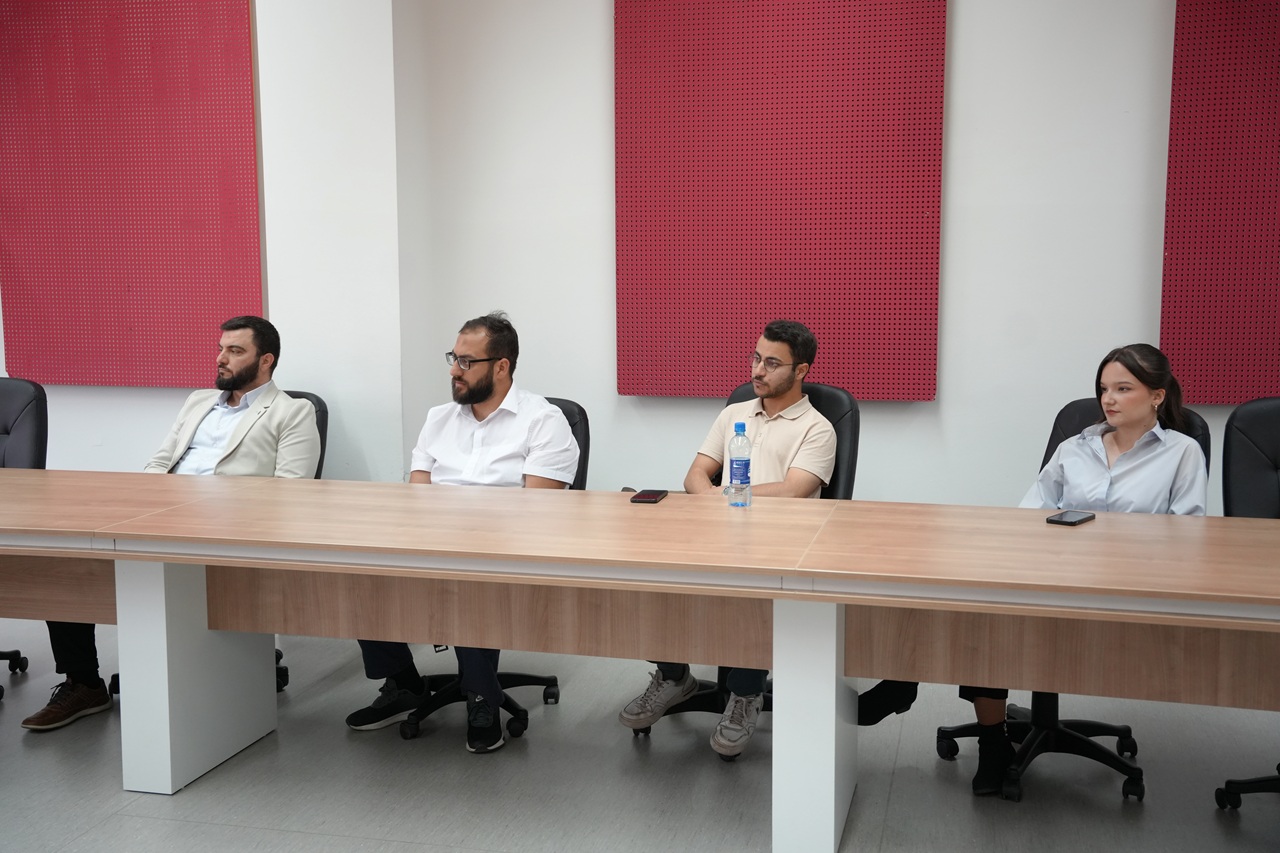
The event concluded with an engaging question-and-answer session, during which students and audience members demonstrated strong interest in both the humanitarian and political dimensions of contemporary conflicts.
By bringing together diplomatic, psychological, and academic perspectives, the panel offered a meaningful space for reflection on the human consequences of war and the responsibility of institutions and societies to protect children affected by armed conflict.