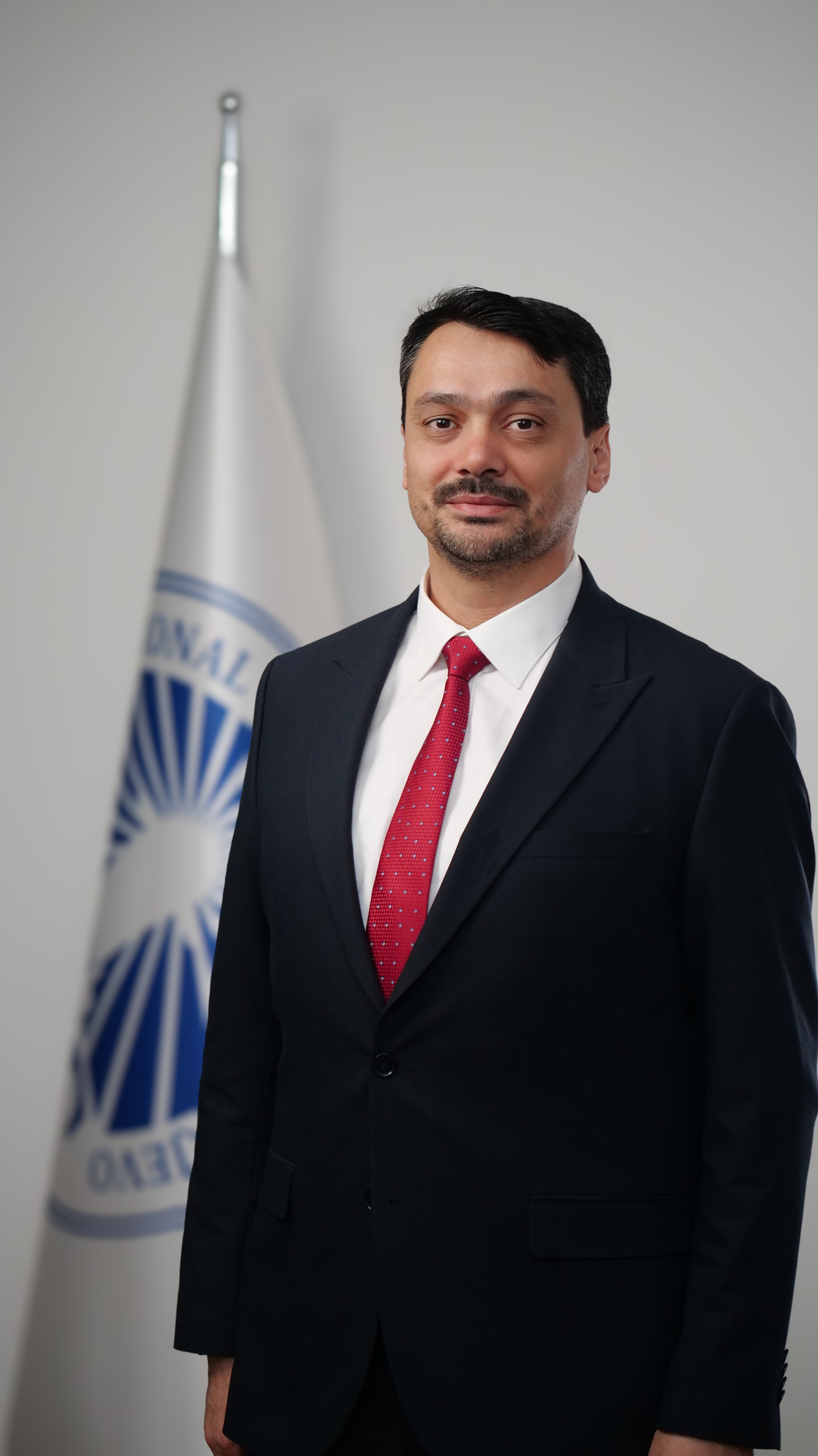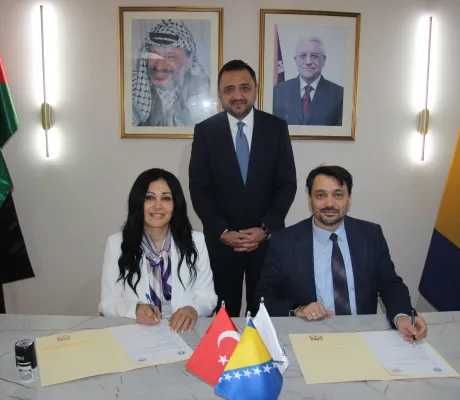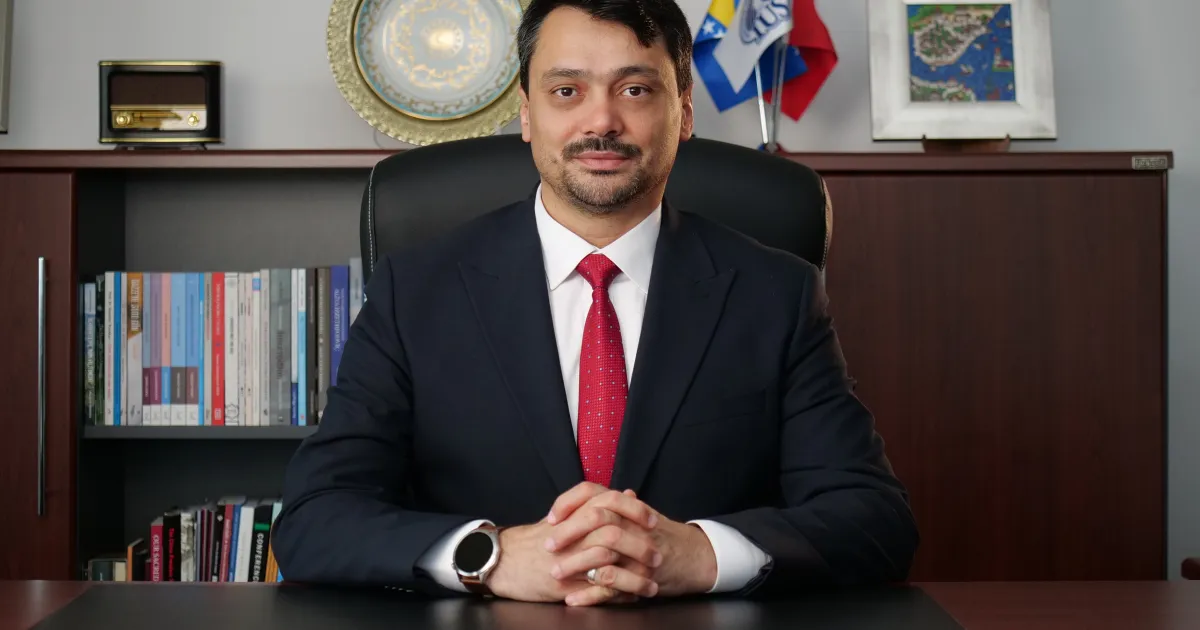
We are pleased to share that Prof. Dr. Ali Osman Kuşakcı, Rector of the International University of Sarajevo, recently gave an interview in Bosnian to the esteemed business portal Poslovne novine. In the interview, Rector Kuşakcı spoke about the University’s development, its achievements in 2025, current challenges in higher education, and IUS plans for future growth, including innovation-oriented initiatives. The original interview in Bosnian was published by Poslovne novine, while the English translation can be read below.
Over the course of just over twenty years of highly fruitful work, the International University of Sarajevo (IUS) has become a recognizable brand not only in Bosnia and Herzegovina, but also globally.
Today, this well-established higher education institution stands out in Bosnia and Herzegovina’s education sector thanks to its highly qualified international staff, outstanding scientific and research capacities, and a curriculum aligned with global standards.
We asked Prof. Dr. Ali Osman Kuşakcı, Rector of the International University of Sarajevo, how he evaluates IUS’s performance in 2025.
“In its 21st year, IUS has positioned itself among the leading higher education institutions in Bosnia and Herzegovina. Our particular competitive advantage lies in our strong international partnerships, especially our bilateral cooperation with some of the most prestigious universities in the Republic of Türkiye, within which dual diploma programs are implemented. With the launch of the Medicine and Dentistry study programs, IUS has further expanded its dual diploma offer in cooperation with the University of Health Sciences, one of the leading medical universities at the global level.
In December 2025, an evaluation visit was carried out by the Turkish Higher Education Quality Council (YÖKAK). At the same time, the University established cooperation with three internationally recognized accreditation agencies, with the aim of further confirming the quality of its study programs at the international level.”
There is an important statistical fact related to the evaluation of IUS’s work. Could you share it with our readers?
“Yes, according to data from the Federal Office of Statistics, higher education in Bosnia and Herzegovina has recorded a decline in student enrollment over the past five years. Contrary to this trend, the International University of Sarajevo is among the few institutions that have recorded growth in student numbers during that period. For this reason, 2025 can be assessed as an exceptionally successful year for IUS in terms of institutional development and stability.”
What factors have contributed to the declining enrollment trend in higher education in Bosnia and Herzegovina?
“Higher education is currently facing a profound structural transformation, driven by two key processes: the development of generative artificial intelligence, and pronounced demographic changes alongside the outflow of highly educated professionals from developing countries, including Bosnia and Herzegovina. While artificial intelligence will significantly redefine teaching content and learning methods, demographic trends directly affect future demand for higher education. During 2026, these challenges will require systemic and strategic responses, for which IUS has already begun preparations.”
What steps will IUS take in 2026 and beyond in order to adapt to contemporary educational trends?
“In order to adapt to contemporary educational trends, IUS plans to establish an Innovative Education and Training Center, which will serve as a platform for the development and implementation of new teaching models and digital educational solutions for both academic staff and students.
Finally, in the context of retaining qualified workforce in the country, IUS recognizes the development of an innovation ecosystem as a strategic priority. The establishment of structures such as a Technopark and an Innovation Center is planned through partnerships with relevant domestic and international stakeholders, which would further strengthen the connection between the academic community, the economy, and the labor market.”