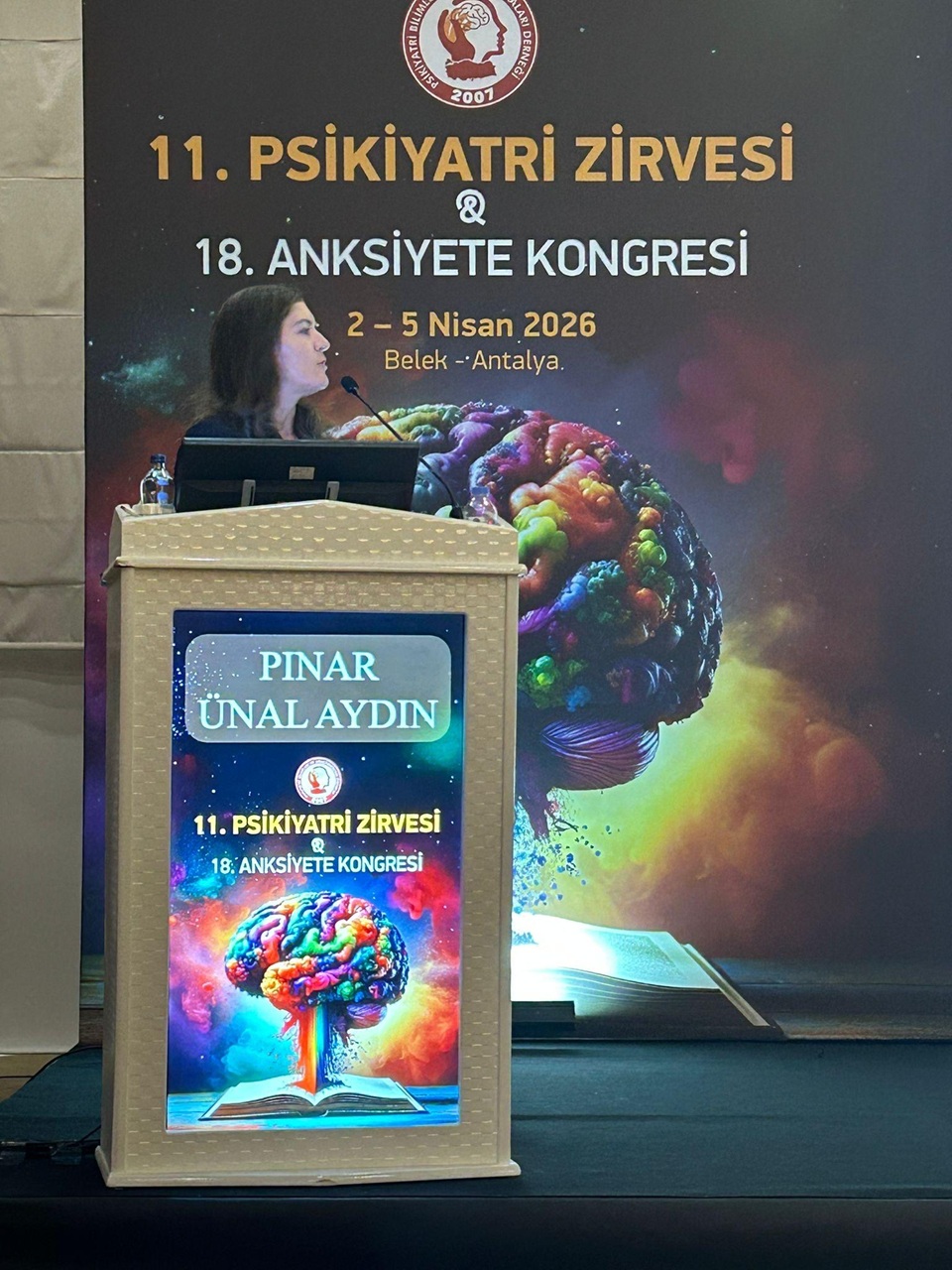
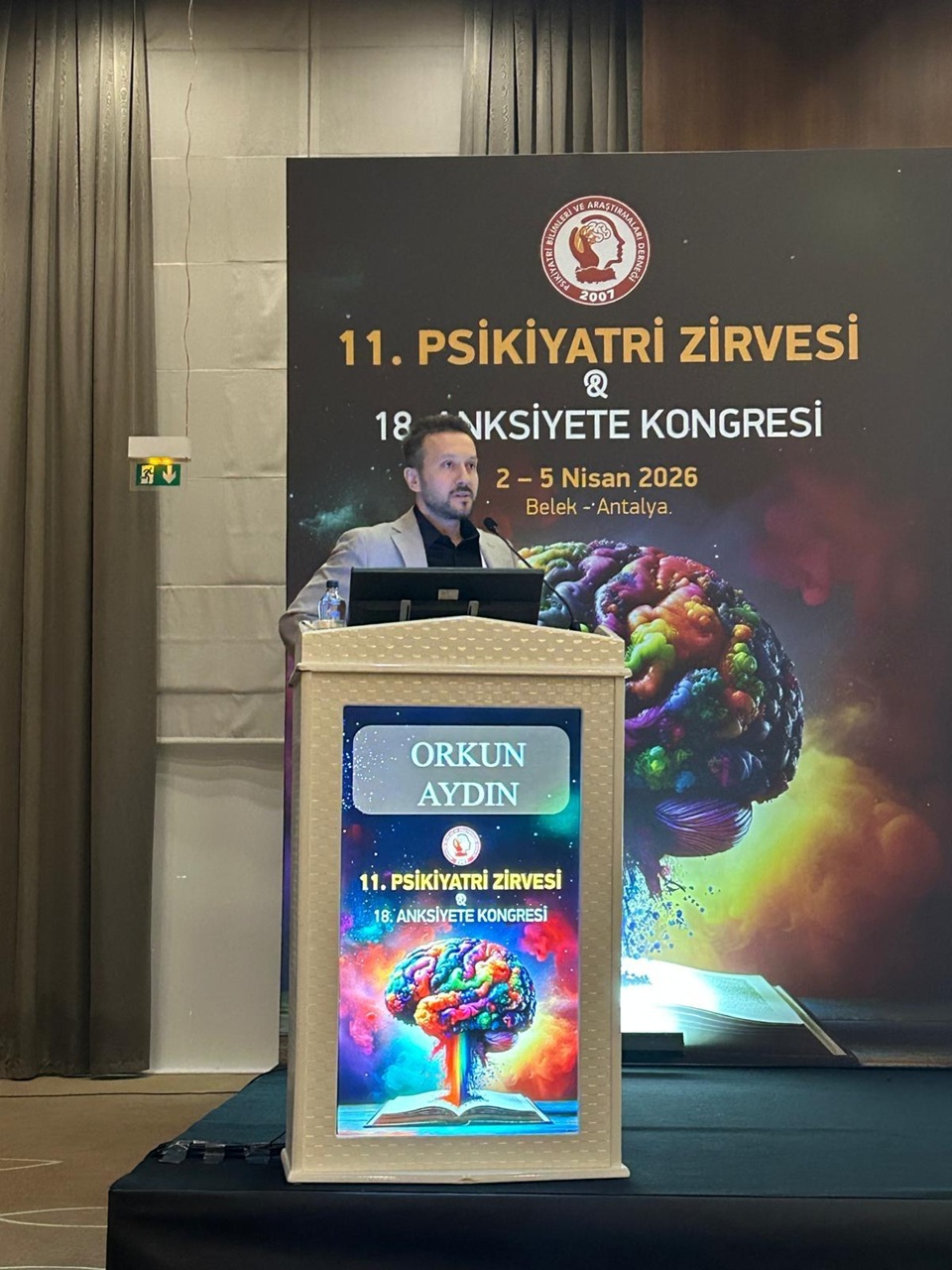
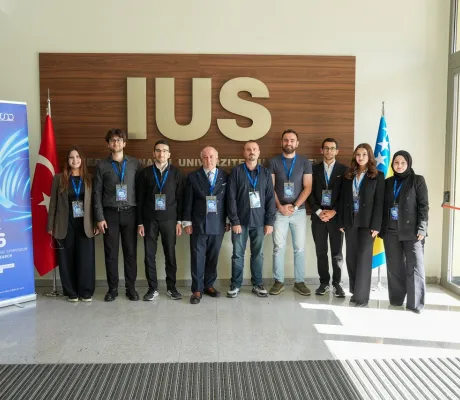
The Faculty of Medical Sciences (FMS) at the International University of Sarajevo (IUS) was represented at a recent anxiety congress through a panel titled “Behavioral Addictions: From Clinic to Treatment.” The session addressed the growing clinical relevance of behavioral addictions, with a particular focus on Internet Gaming Disorder and Gambling Disorder, both of which are increasingly encountered in psychiatric practice.
The panel featured contributions from FMS faculty, including Associate Prof. Dr. Orkun Aydın and Associate Prof. Dr. Pınar Ünal-Aydın, who approached the topic from complementary clinical and theoretical perspectives.
Assoc. Prof. Dr. Orkun Aydın emphasized the importance of understanding behavioral addictions within a broader cognitive framework, highlighting the role of metacognitions in the development and maintenance of addictive behaviors. He noted that dysfunctional beliefs about thinking - such as perceived uncontrollability of urges and reliance on maladaptive coping strategies - may sustain these conditions and should be directly targeted in treatment.
Assoc. Prof. Dr. Pınar Ünal Aydın focused on the clinical impact and psychiatric comorbidity associated with behavioral addictions. She discussed their significant functional consequences across neurobiological, academic, occupational, and social domains and highlighted frequent co-occurrence with anxiety, depression, and attention deficit and hyperactivity disorder. The importance of comprehensive assessment and individualized treatment planning was underscored.
The panel also addressed diagnostic considerations, overlapping symptom profiles, and current treatment approaches, including cognitive-behavioral and metacognitive interventions. The discussion reflected the need for integrative models that account for both cognitive mechanisms and clinical complexity.
Through this contribution, FMS reaffirmed its commitment to advancing evidence-based approaches to emerging mental health challenges and to fostering interdisciplinary dialogue in the field of behavioral addictions.