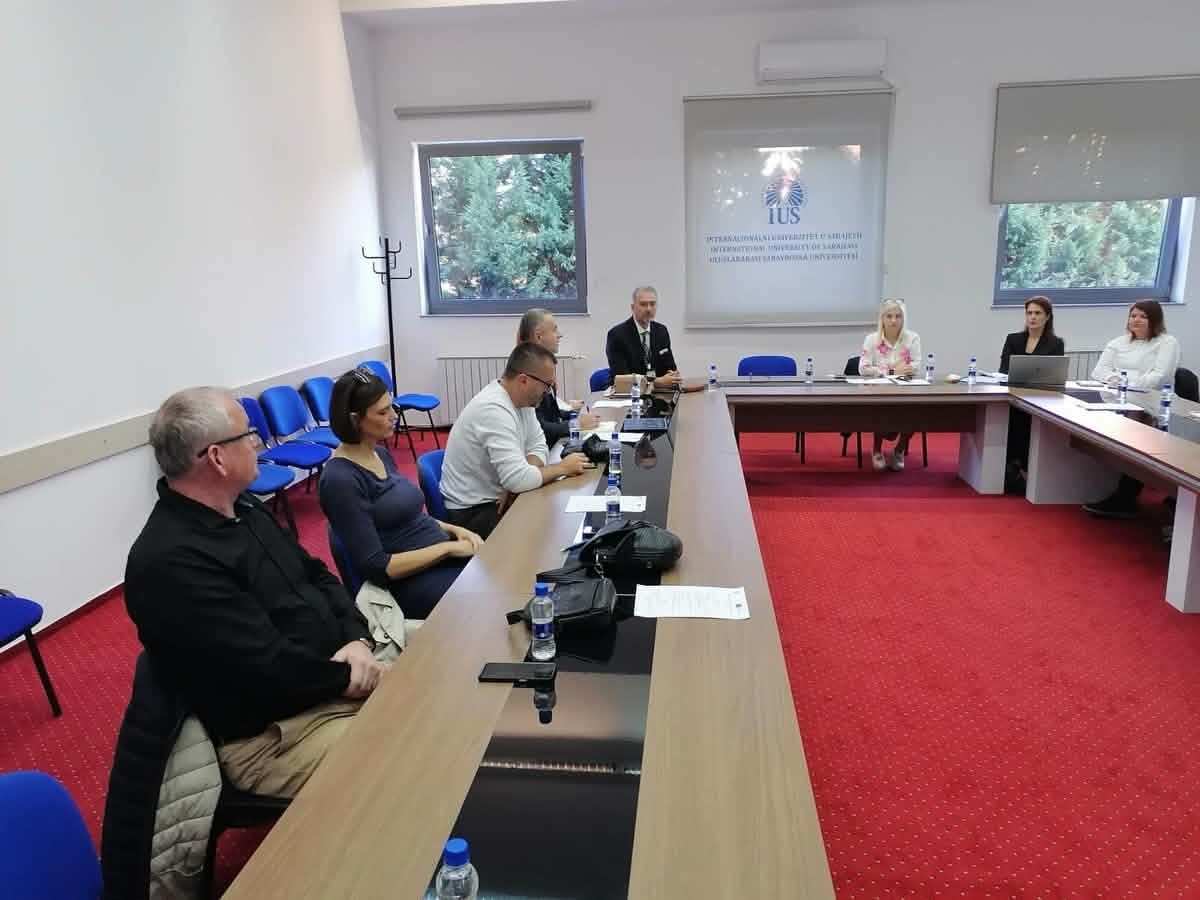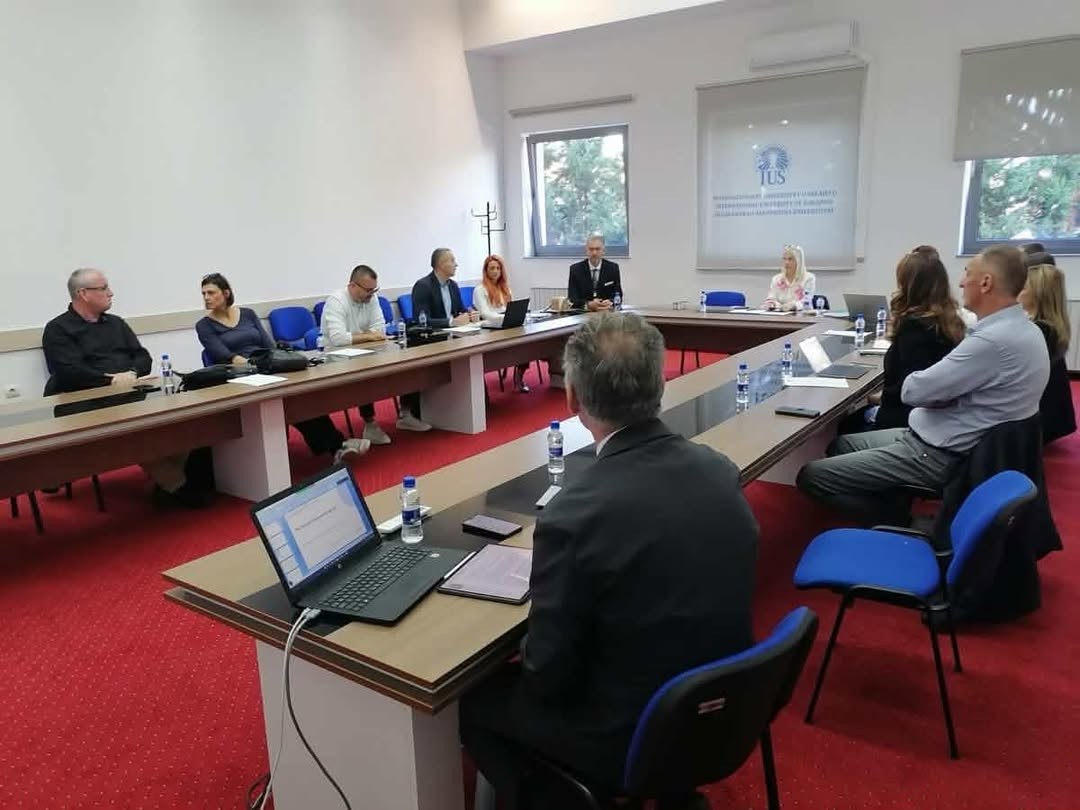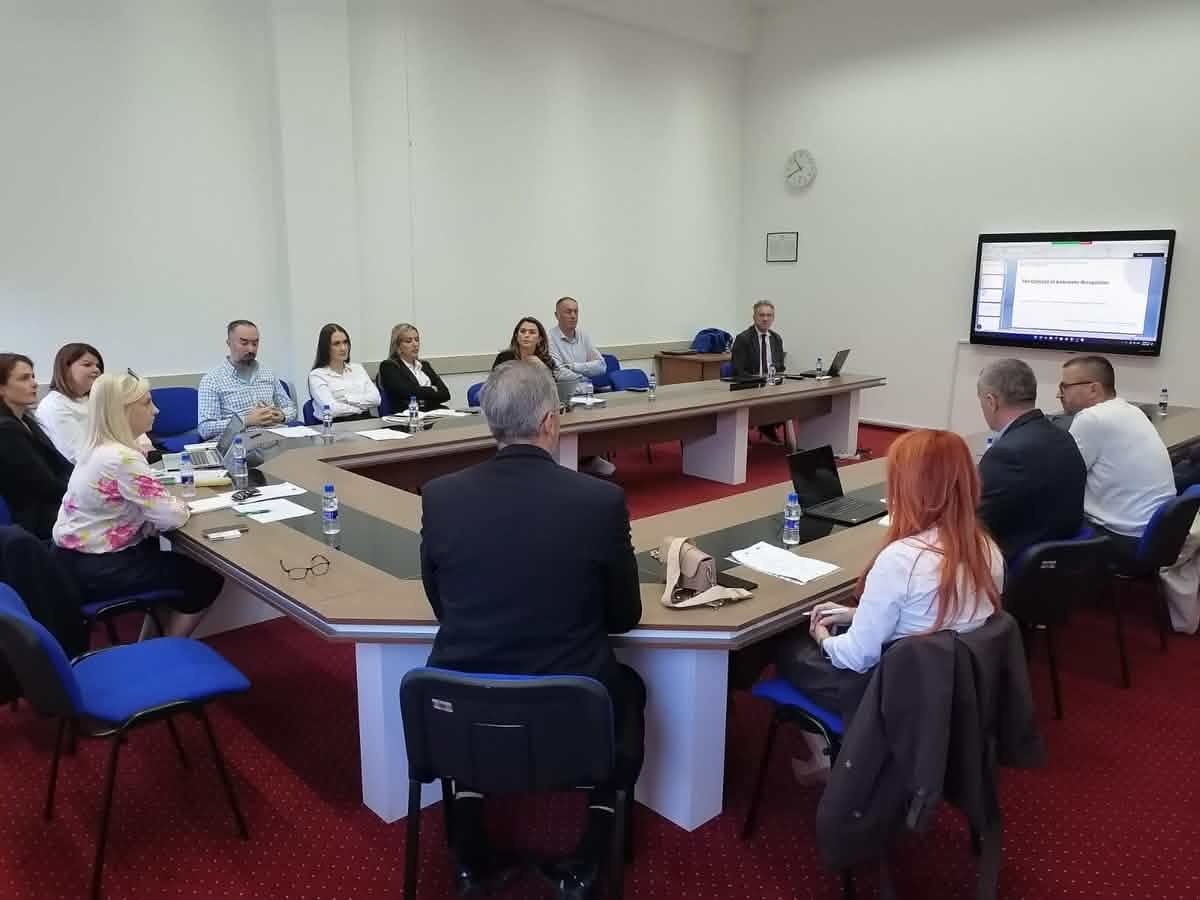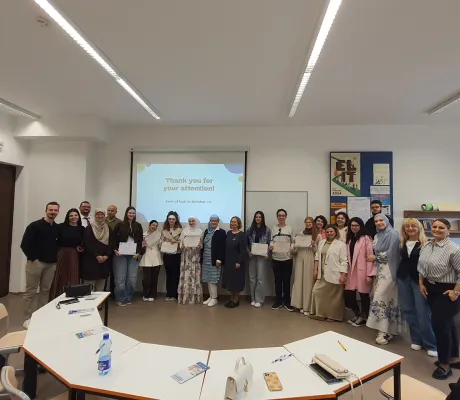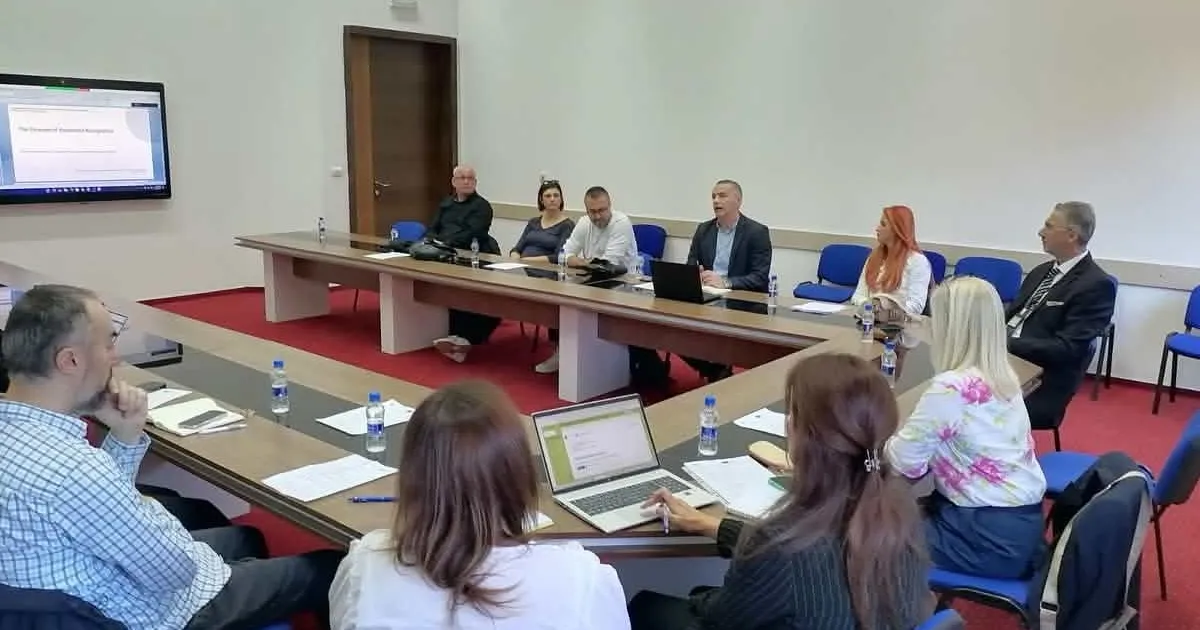
The International University of Sarajevo (IUS) hosted the Technical Assistance Mission (TAM) workshop “Automatic Recognition and Recognition of Prior Learning” on September 28–29, 2026, bringing together higher education experts and professionals to address some of the most important issues shaping contemporary recognition practices in Bosnia and Herzegovina and the wider European higher education area.
Organized by the National Erasmus+ Office in Bosnia and Herzegovina and the Higher Education Reform Experts Team in Bosnia and Herzegovina (HERE), the workshop focused on automatic recognition of qualifications, recognition of prior learning, non-formal and informal learning, and recognition of study periods.
These areas are increasingly important for the development of more transparent, flexible, and accessible higher education systems. Effective recognition procedures can directly support student mobility, lifelong learning, smoother progression between institutions, and a more consistent approach to the evaluation of qualifications and competences.
A key expert contribution came from Prof. Dr. Mile Dželalija, who led the main professional sessions and guided discussions on both the principles and practical application of recognition in higher education.
Prof. Dr. Dželalija is a Croatian physicist and university professor with a long-standing academic association with the Faculty of Science at the University of Split. He is also a prominent expert in quality assurance, accreditation, qualifications frameworks, and the development of higher education systems, with extensive experience at both national and European levels.
Drawing on this expertise, Prof. Dr. Dželalija addressed the concept of automatic recognition, including its role in access to higher education and the distinction between academic and professional recognition. Particular attention was given to the need for recognition procedures that are clear, efficient, and consistent, while also supporting mobility and reducing unnecessary administrative barriers.
Another important area of discussion was the recognition of non-formal and informal learning, which considers how knowledge, skills, and competences acquired outside traditional formal education can be assessed and formally acknowledged. The workshop also examined the recognition of study periods, an issue closely connected with academic mobility and the effective transfer of learning between higher education institutions.
The program also included expert contributions from Ms. Mirta Mandić Martinović, who presented the MOQAR perspective on automatic recognition, as well as a panel discussion moderated by Ms. Dragana Dilber from the Higher Education Reform Experts Team of Bosnia and Herzegovina. The workshop concluded with recommendations presented by Mr. Dženan Omanović, followed by discussion on practical next steps.
IUS was represented by Mr. Jahja Imamović, Deputy Secretary General for Legal and Administrative Affairs, whose participation reflected the University’s continued engagement with developments in higher education regulation, quality assurance, recognition procedures, and institutional practice.
The workshop provided a valuable platform for combining expert knowledge with practical discussion on how recognition systems can be improved and more closely aligned with evolving European standards. By hosting and participating in initiatives of this kind, IUS continues to strengthen its institutional practices while remaining actively engaged in broader discussions on higher education reform, mobility, and quality assurance.