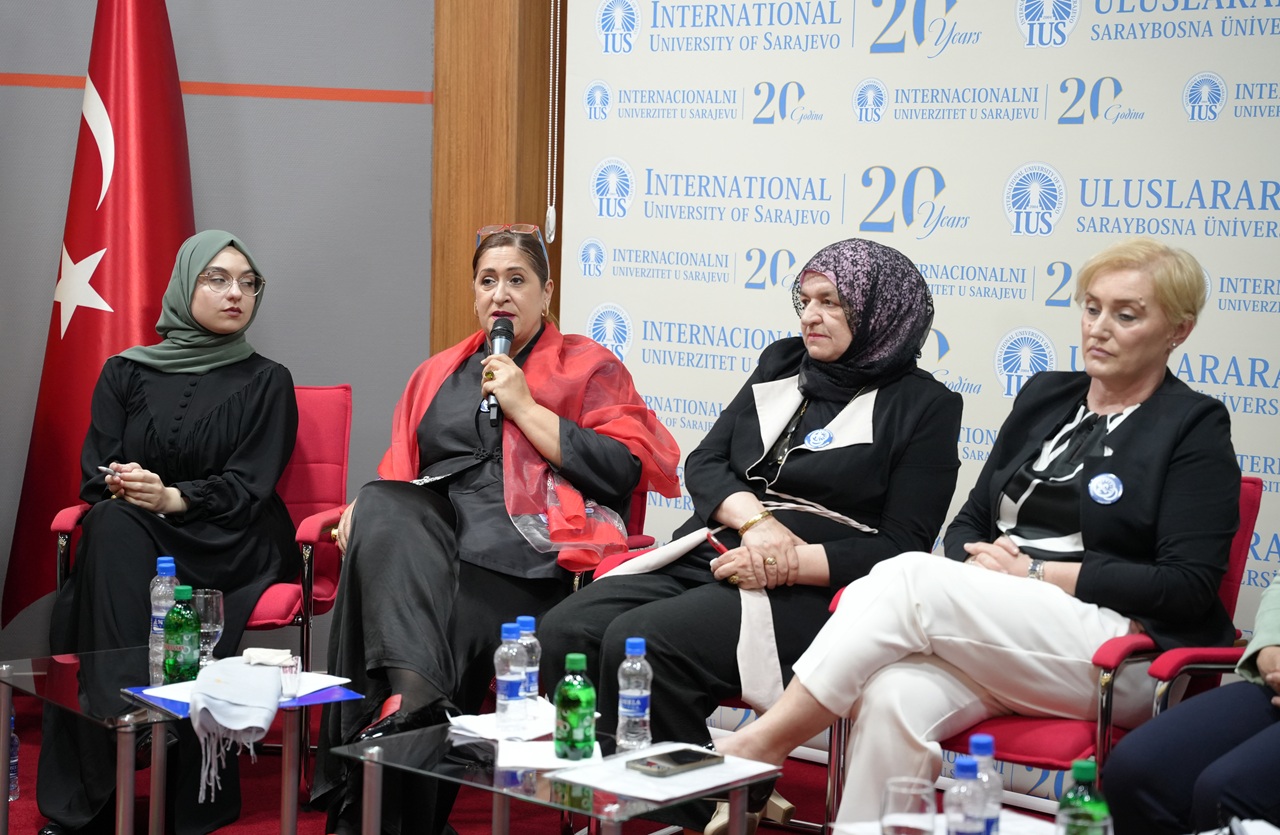
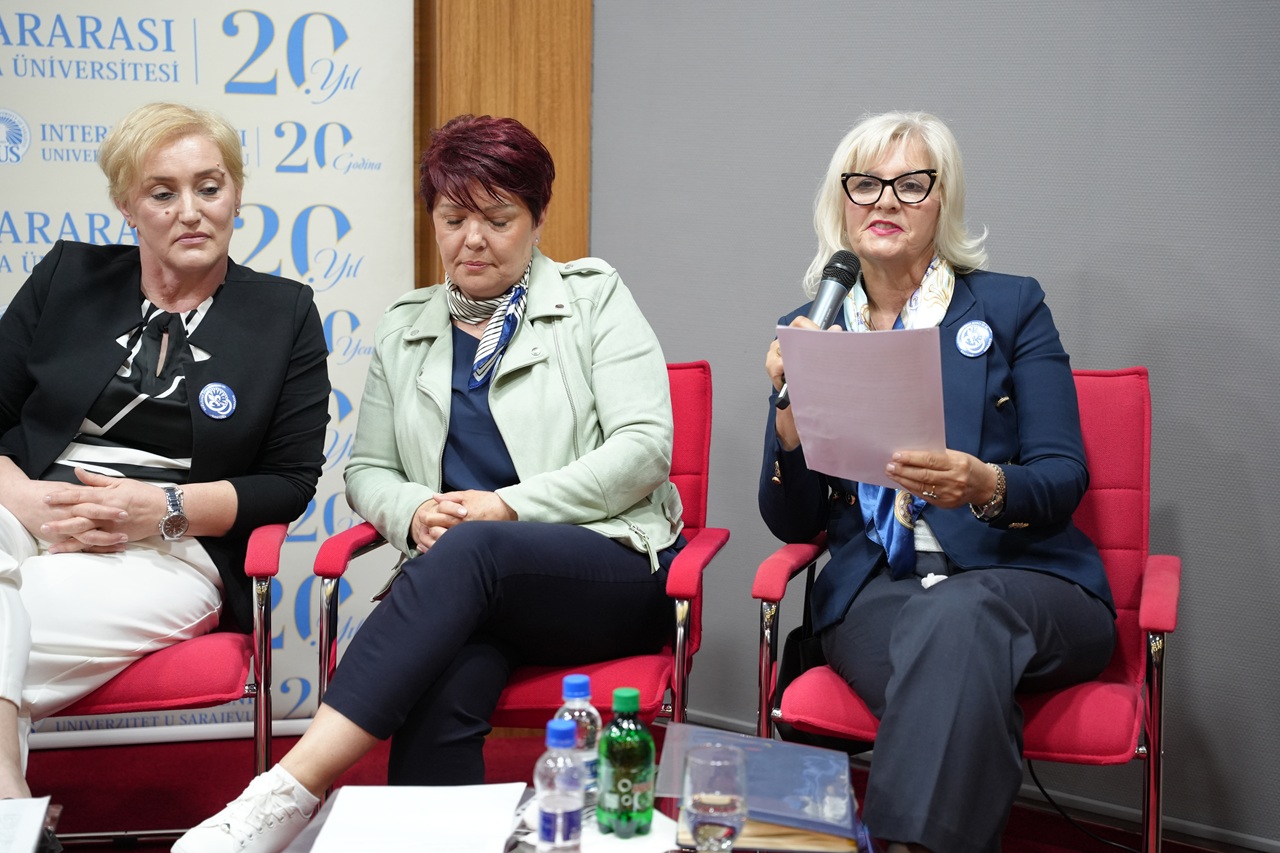
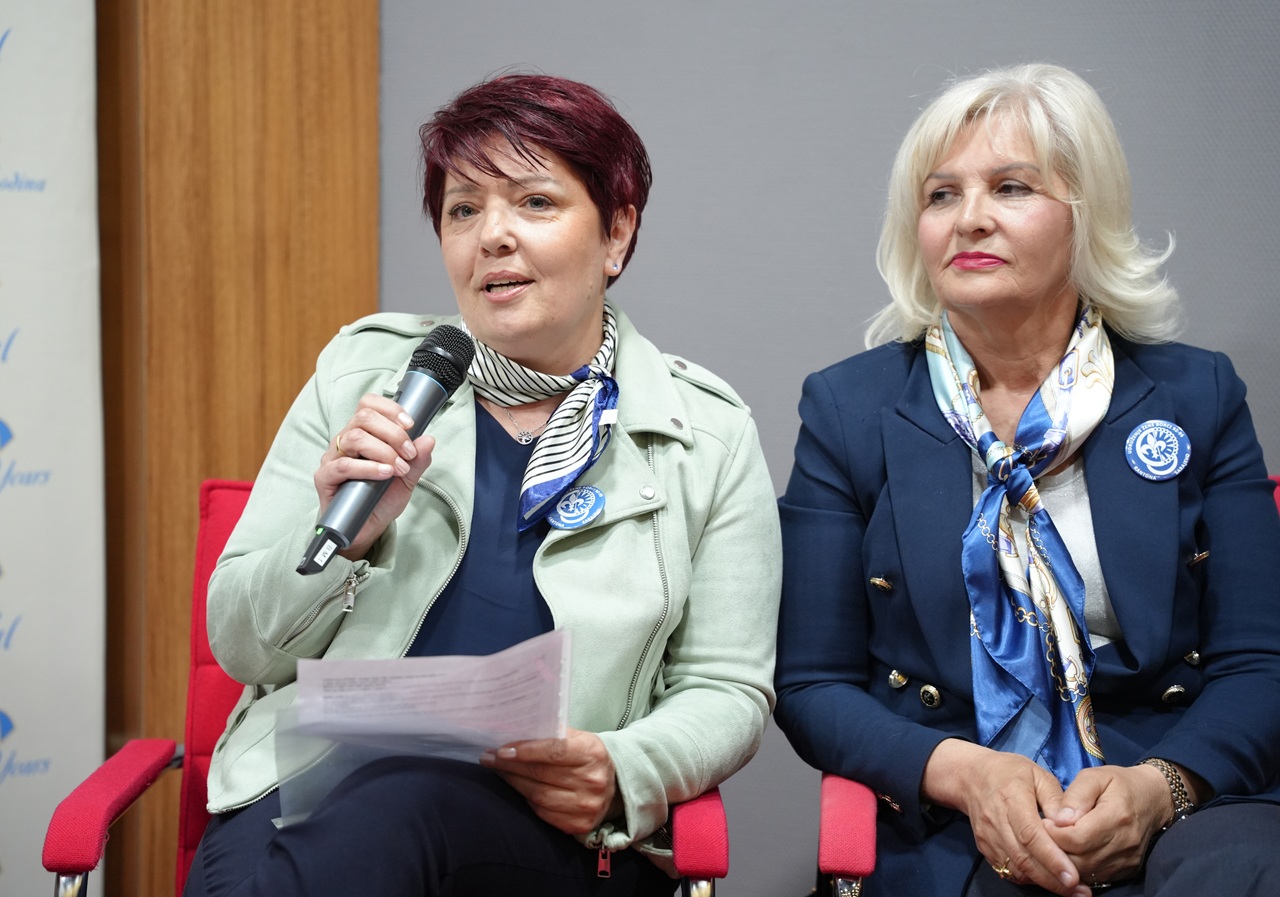
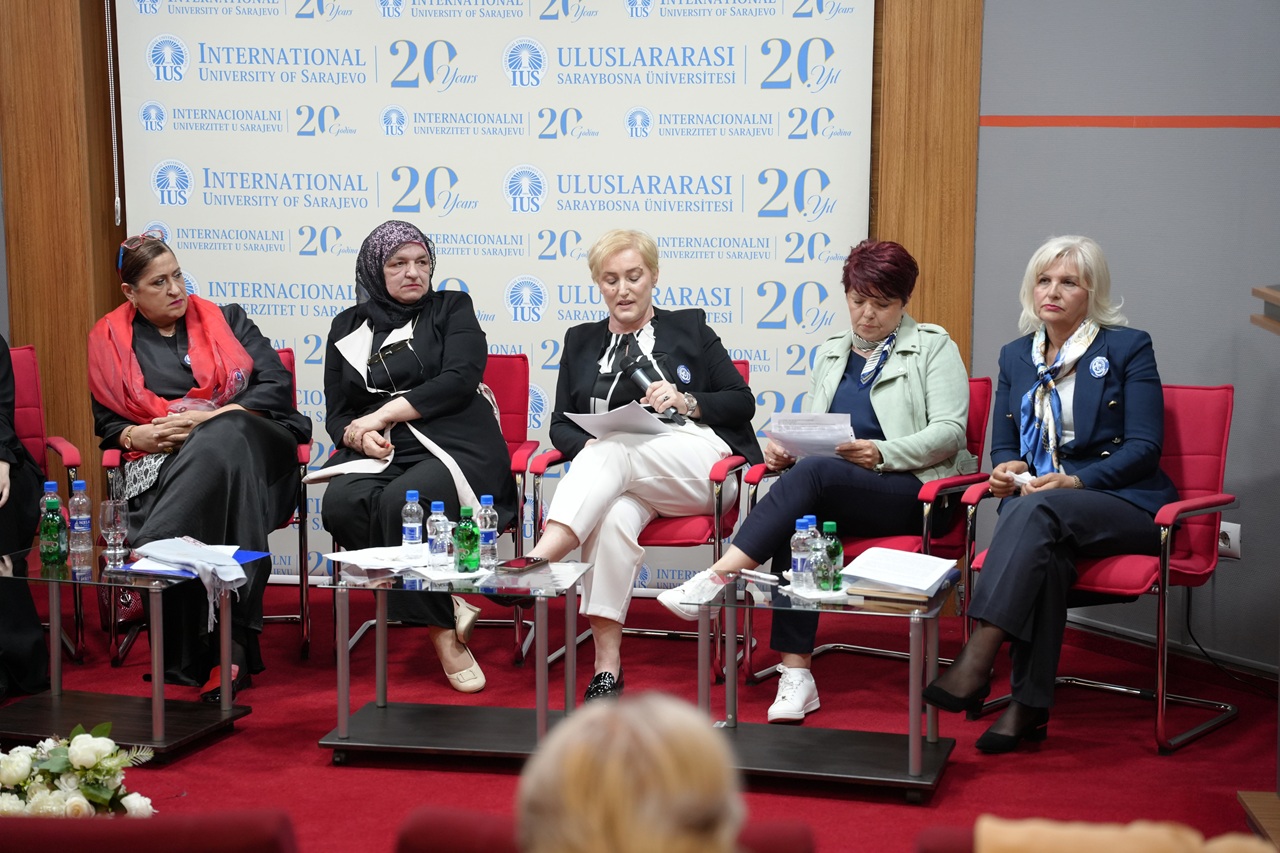
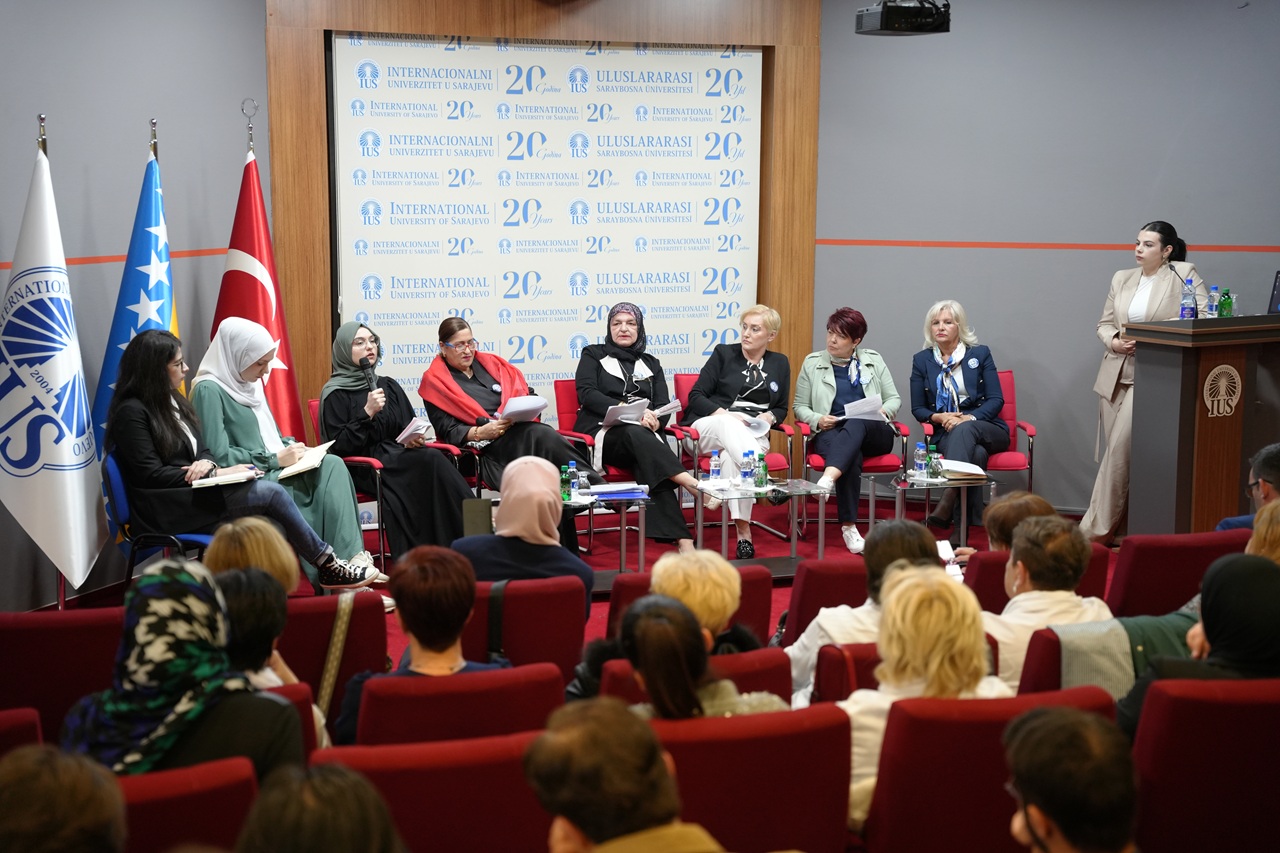
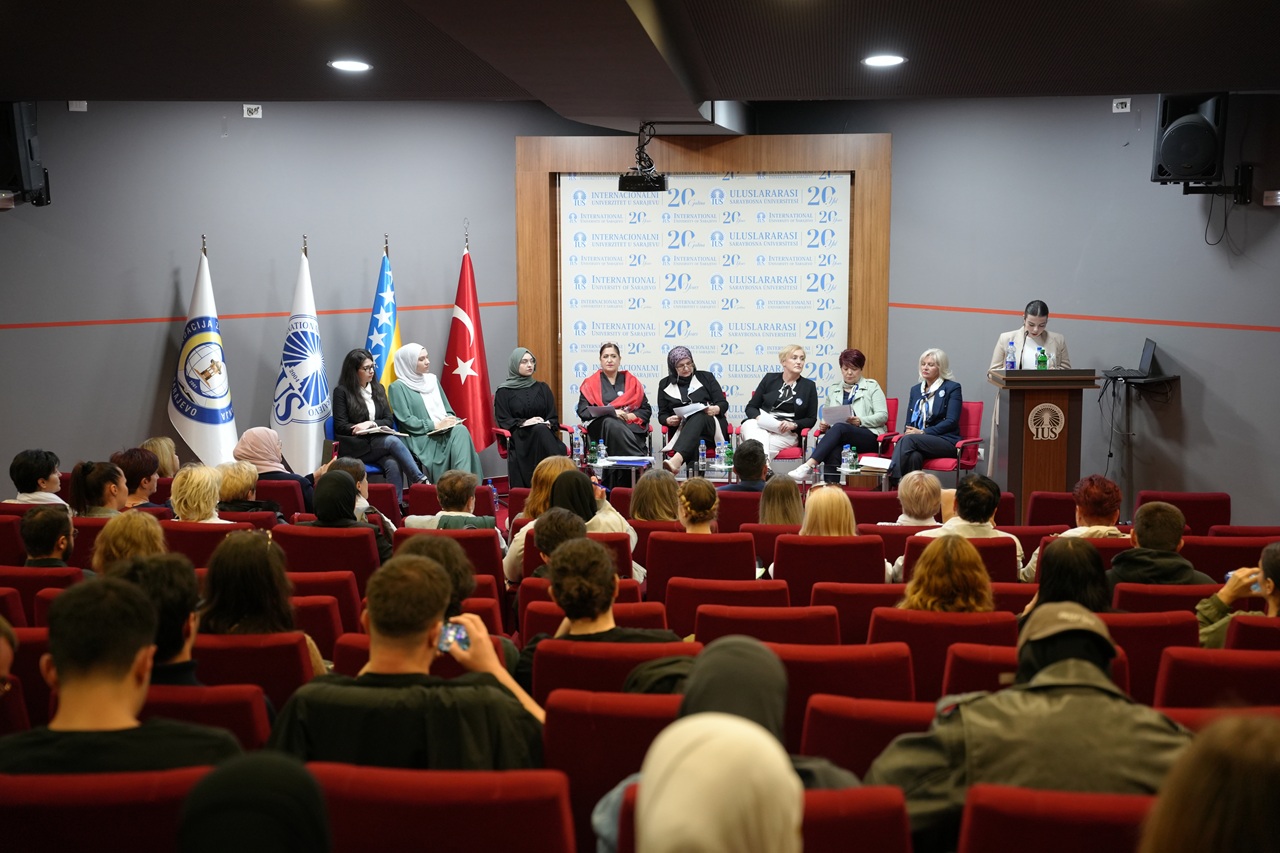
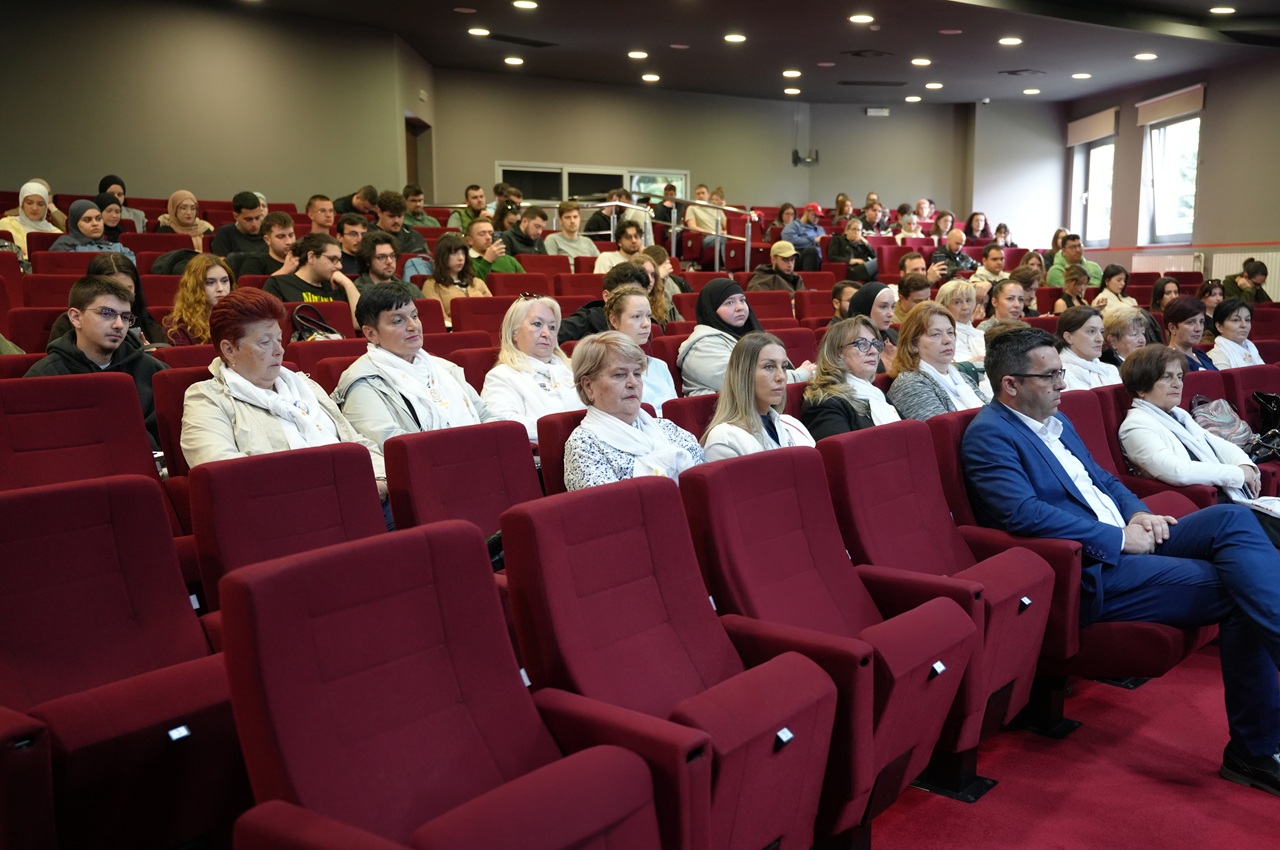
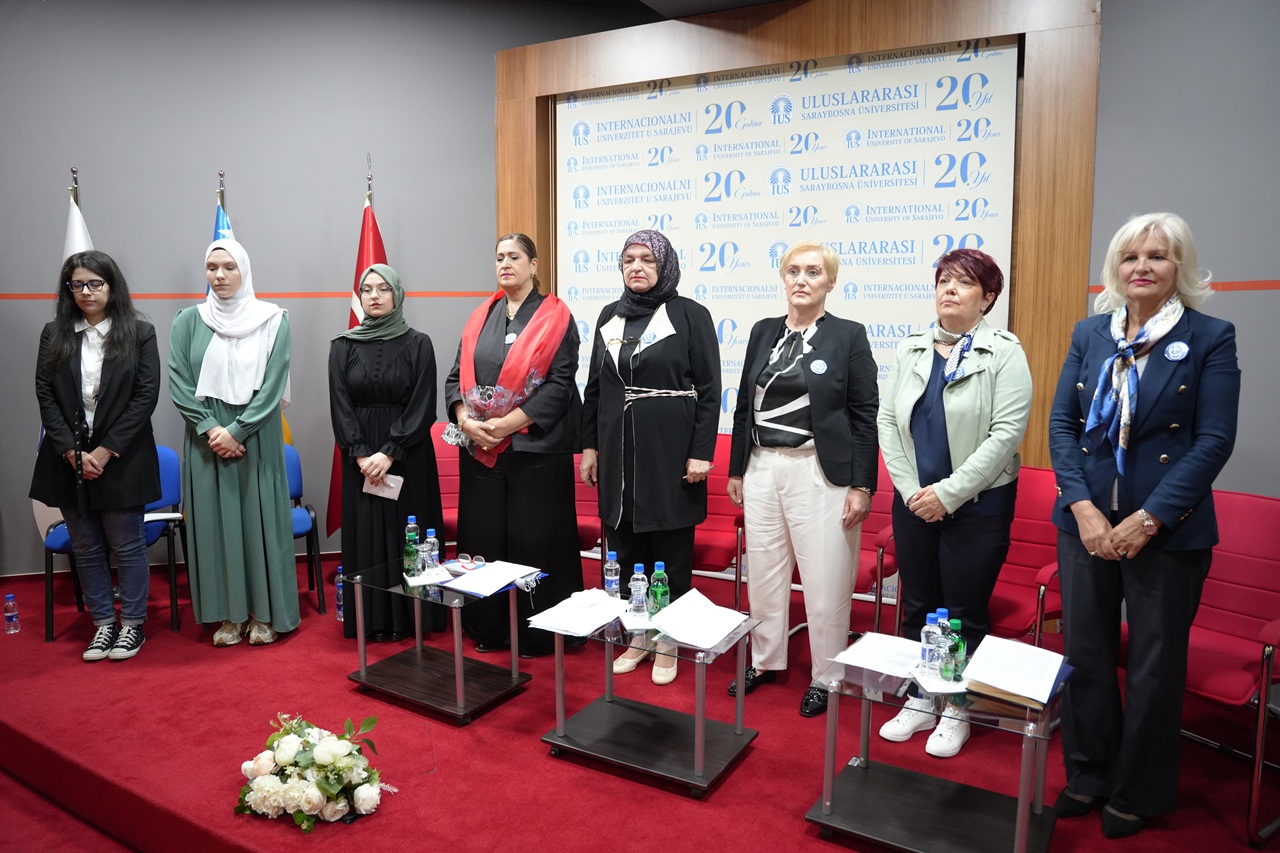
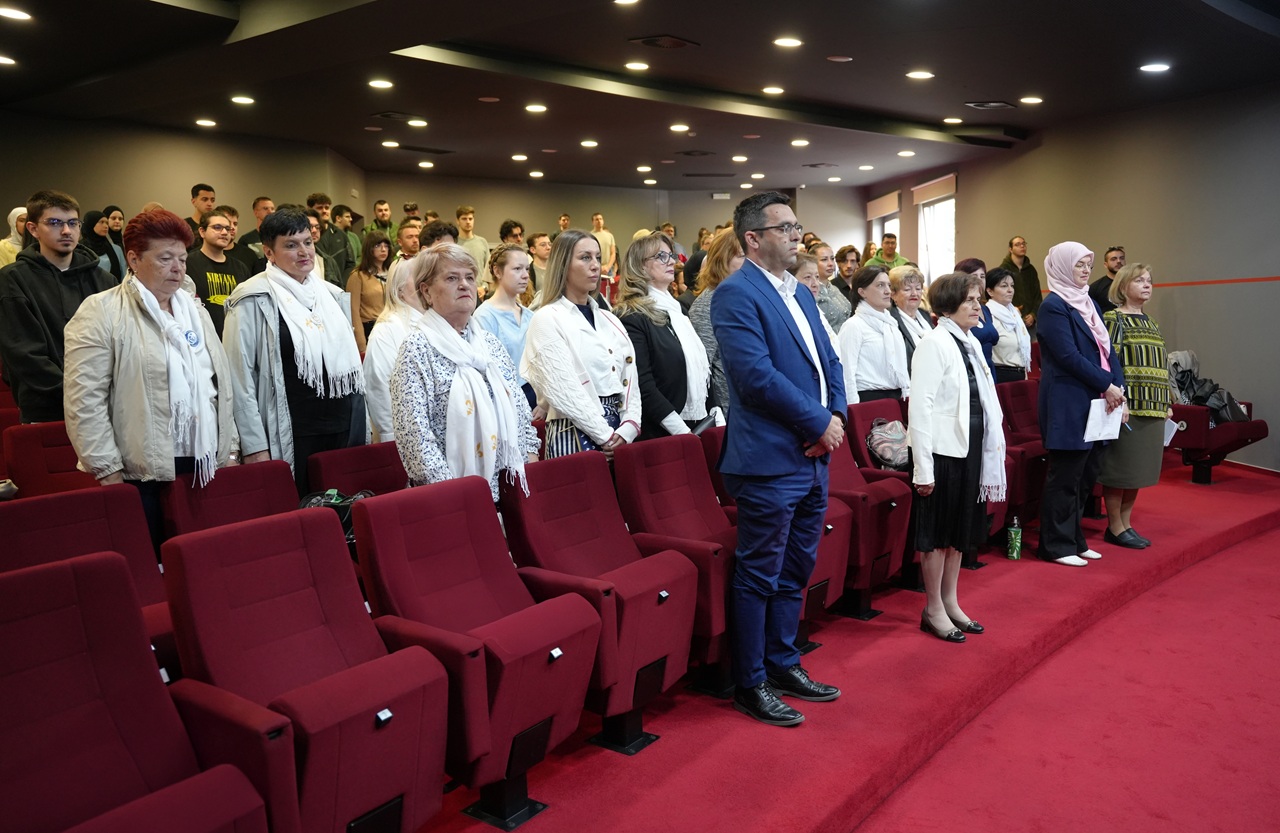
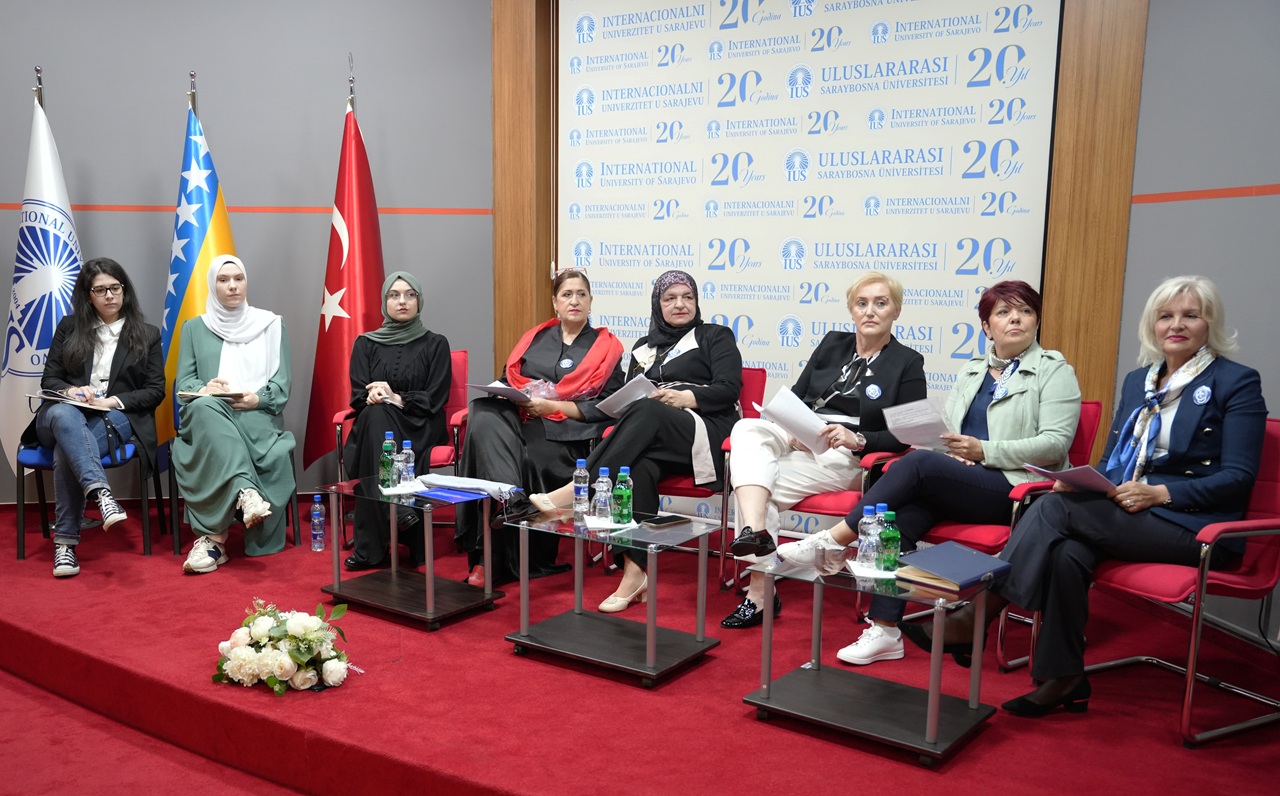
As part of the commemoration of the Day of the Army of Bosnia and Herzegovina, the Balkan Studies Center (BSC), in collaboration with the Memorial Center Sarajevo, successfully organized a panel discussion titled “Beyond Victimhood: Reassessing Women’s Roles and Contributions in the Bosnian War (1992–1995).”
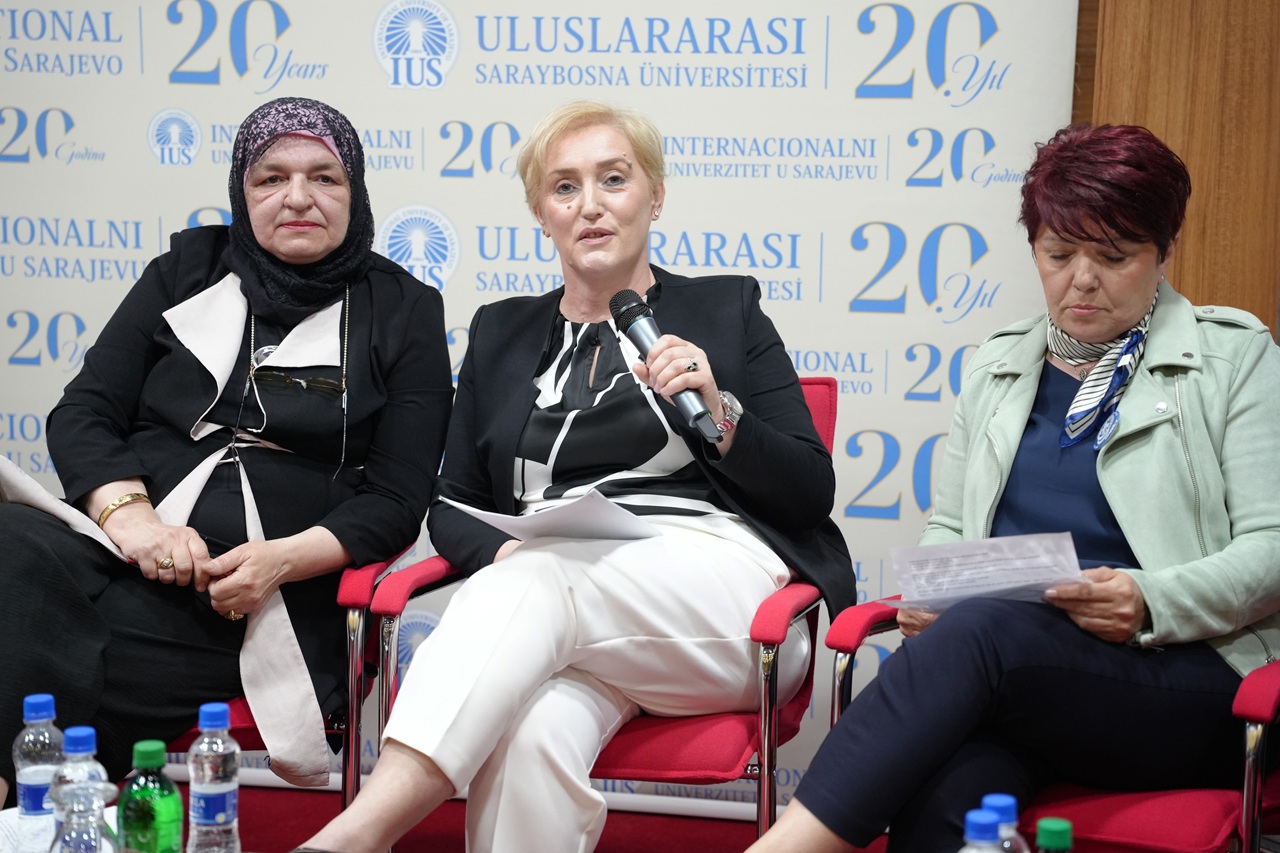
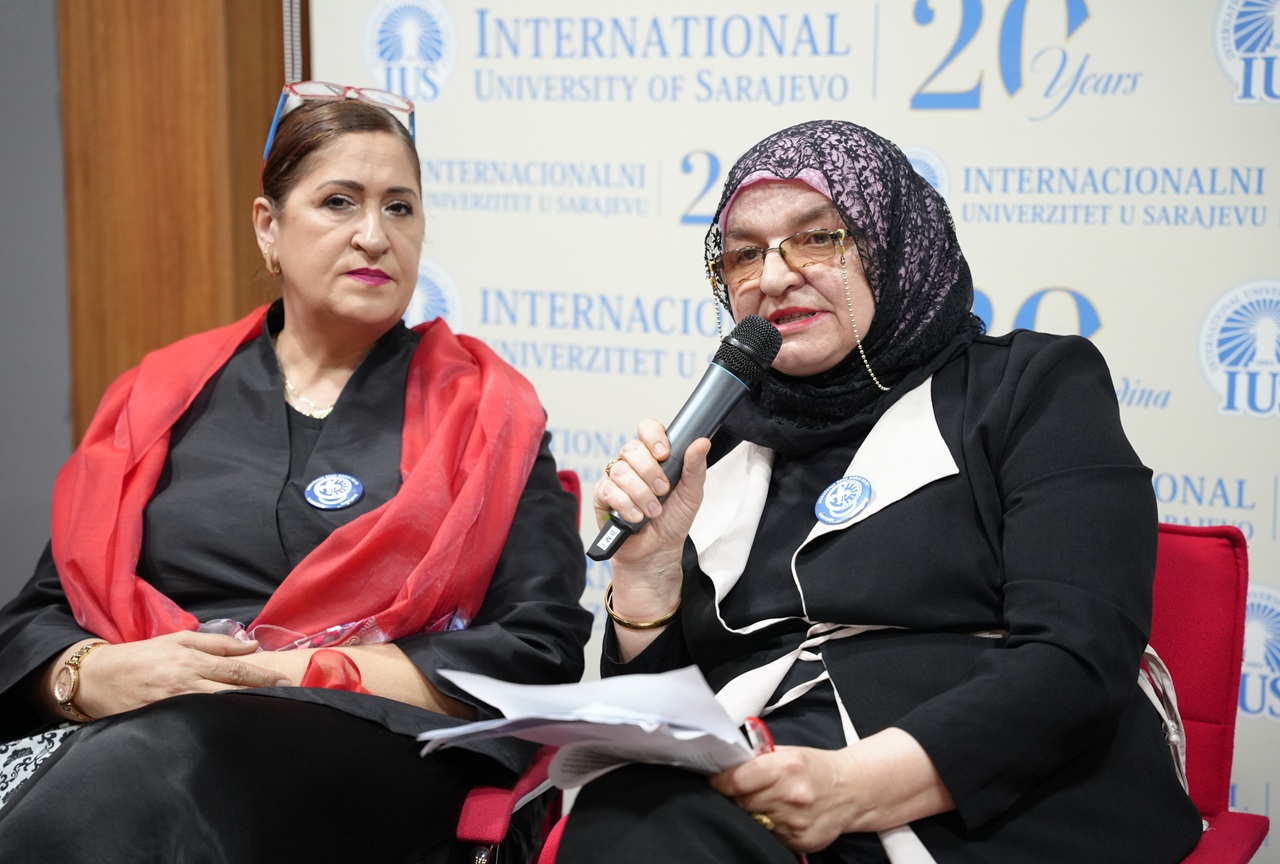
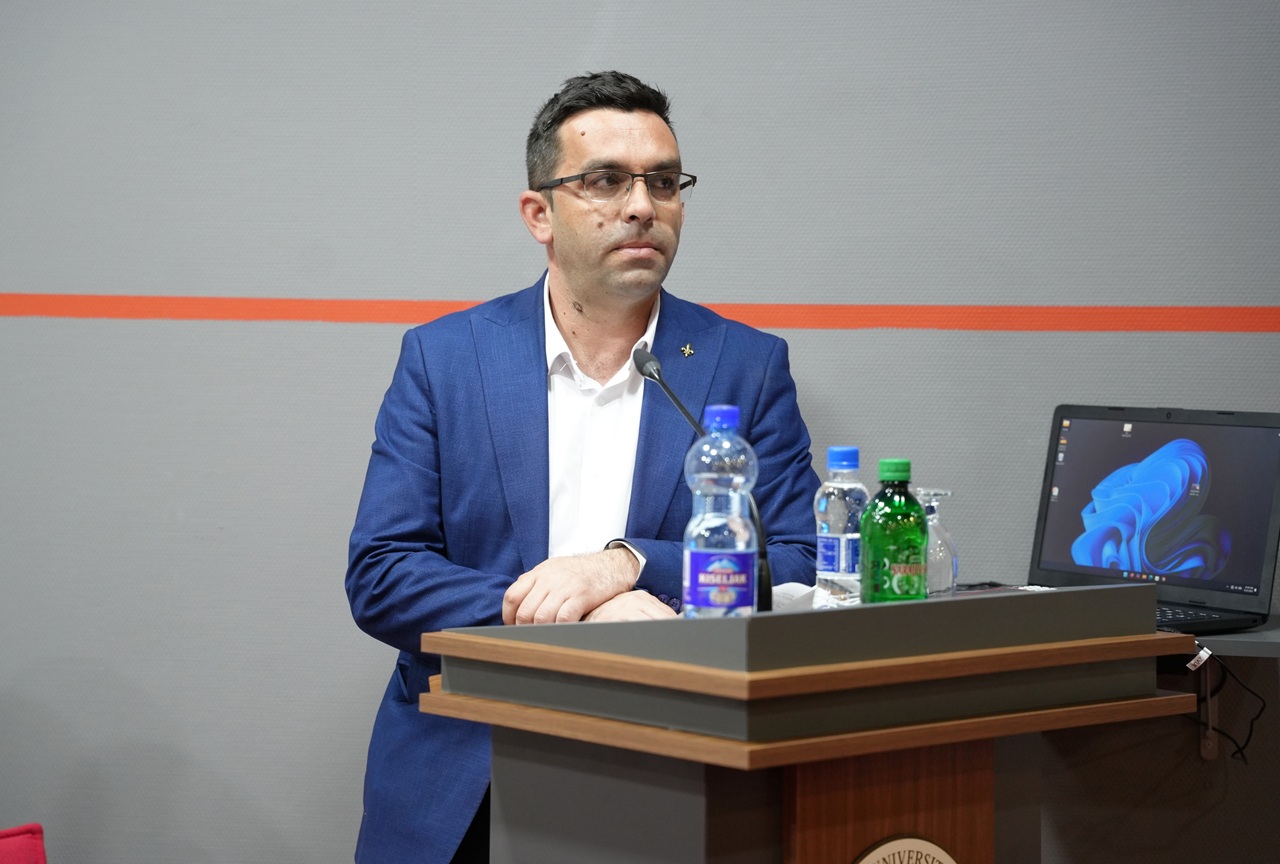
The event brought together distinguished participants to reflect on women’s agency, wartime experiences, and lasting contributions during the aggression against Bosnia and Herzegovina, while also opening an important space for academic and societal dialogue on memory, resilience, and post-war narratives. Particularly significant was the reminder that many of these women made a direct and invaluable contribution to the defense of Bosnia and Herzegovina, serving with courage, dignity, and determination in some of the most difficult moments of the country’s history. The panel featured Ms. Sanela Šukur, Ms. Rasema Ražalica, Ms. Amra Berberović, Ms. Suada Džino, Ms. Sabaheta Ćutuk, and Ms. Fuada Avdić, and was opened by Dr. Ahmed Kulanić, Director of the Memorial Center Sarajevo.
A central focus of the panel was to challenge the narrow and often dominant perception of women solely as victims of war. Many of the participants, who directly served in the Army of Bosnia and Herzegovina during the conflict, shared deeply personal and powerful testimonies of their wartime experiences. Through their narratives, they spoke not only of hardship, loss, and endurance, but also of their active roles on the frontlines and within military structures.
The discussion highlighted that women were not only mothers, daughters, and caretakers during the war, but also defenders of their homeland. Their testimonies reflected extraordinary courage, sacrifice, resilience, and patriotism, offering a powerful reminder of the many ways in which women contributed to the defense of Bosnia and Herzegovina.
The panel also underscored the importance of preserving such testimonies as an essential part of the country’s historical memory. By bringing together academic perspectives and lived experiences, the event contributed to a deeper and more nuanced understanding of gender, war, and memory in Bosnia and Herzegovina.
This collaboration between the Balkan Studies Center and the Memorial Center Sarajevo represents an important step in recognizing and honoring the contributions of women whose voices, experiences, and service deserve a lasting place in both scholarly discourse and public memory.